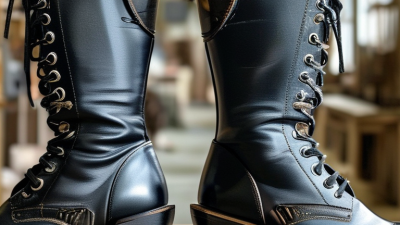
The global footwear market is really changing fast these days, and it’s clear that people are looking more and more for quality options. I mean, if you look at the latest stats from Statista, they’re projecting that the market will hit around $400 billion by 2027. That kind of growth really puts a spotlight on manufacturers who can offer custom designs, especially when it comes to Round Shoes.
China is pretty much at the forefront when it comes to making OEM round shoes. Names like Huayu Group and Aokang have built up quite a reputation as dependable sources for good quality footwear. They’re really pushing innovation and craftsmanship, making sure their products cater to the different tastes of consumers—particularly in the Ladies Round Toe Shoes segment. The ability to tweak designs on request is definitely helping brands stay ahead of fast-changing trends.
That said, it’s not all smooth sailing. The industry’s pretty competitive, and things like fluctuating material costs can shake up production. Plus, some manufacturers find it tricky to keep quality up while trying to produce more to meet all that demand. Figuring out how to tackle these challenges is really key if you want to succeed in this ever-evolving footwear game. These days, having the right expertise and trustworthy partners makes all the difference.
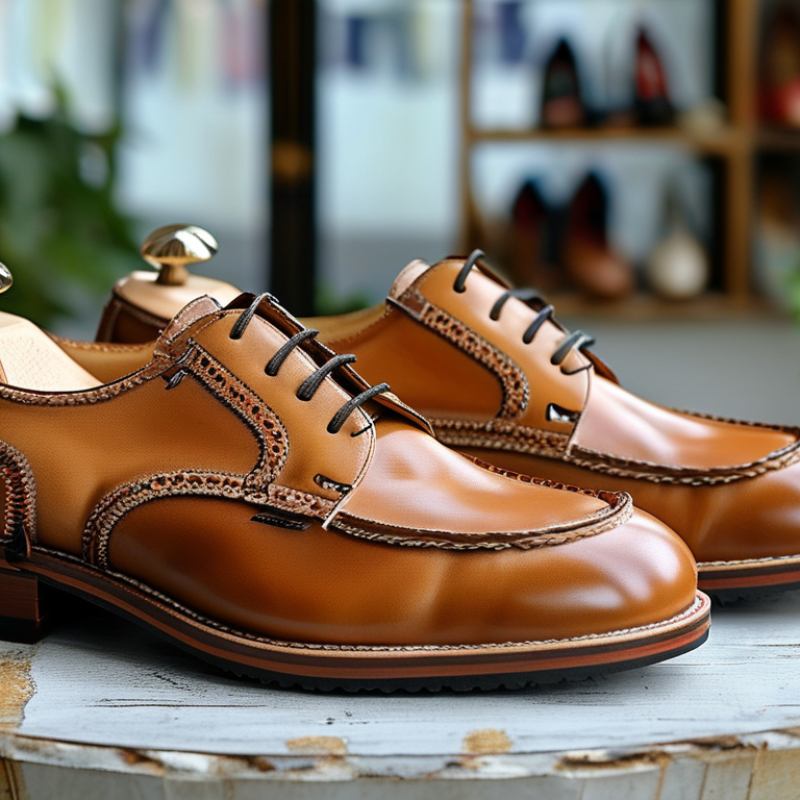
Overview of the Footwear Industry in China
The footwear industry in China is vast and diverse. With manufacturing capacities that cater to global demands, the sector excels in producing various types of footwear. Quality remains a primary focus, influencing consumers and businesses alike. Among the popular options are
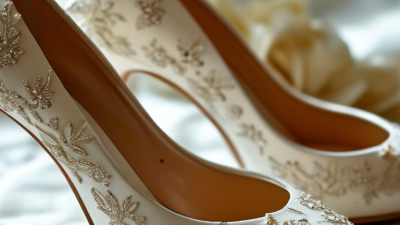
Bridal Shoes Low Heel, which combine elegance with comfort. These shoes appeal to many brides seeking a stylish yet practical choice for their special day.
China has become a hub for customized OEM footwear solutions. Manufacturers often work closely with clients to bring unique designs to life. This collaboration fosters innovation and allows for a wide range of products to emerge. However, challenges persist. Quality control can vary, leading to inconsistencies. It's essential for brands to establish clear guidelines to ensure that their vision is fulfilled accurately.
Footwear manufacturers in China also face increasing pressure from sustainability concerns. The industry is slowly shifting towards eco-friendly materials and practices. This movement responds to consumer demands for more responsible options. However, the journey towards sustainability is complex and requires ongoing commitment and adaptation from manufacturers.
Key Characteristics of Custom OEM Shoe Manufacturing
Custom OEM shoe manufacturing is a vital sector in the footwear industry, characterized by its flexibility to meet diverse customer needs. A recent industry report indicates that the global custom footwear market is expected to reach $10 billion by 2025, reflecting a growing demand for personalized products. Manufacturers in China excel in offering tailored solutions, combining innovative designs with robust production capabilities.
Key characteristics of custom OEM shoe manufacturing include precision in crafting unique designs and the ability to adjust production volumes. Many manufacturers utilize advanced technologies such as 3D printing. This reduces lead times and enhances design accuracy. However, quality control remains a challenge. Reports show that nearly 30% of footwear products face quality issues during production. This highlights the need for stringent inspection processes.
Moreover, the integration of sustainable materials is increasingly significant. Consumers demand eco-friendly options, pushing manufacturers to innovate. While many companies strive for sustainability, not all meet industry standards consistently. With fluctuating market demands, the ability to adapt is crucial. This adaptability can define a manufacturer's competitiveness in an ever-evolving landscape.
Leading Custom OEM Round Shoe Manufacturers in China
The global footwear market is booming, with estimates predicting growth to over $400 billion by 2027. China plays a pivotal role in this expansion. Leading custom OEM round shoe manufacturers in China have established a reputation for quality and innovation. Many of these manufacturers adapt to market trends swiftly, ensuring they meet consumer demands effectively.
However, challenges remain in achieving consistent quality. Reports indicate that about 20% of manufacturing defects arise from poor material selection. Manufacturers must prioritize materials that enhance durability and comfort. Transparency in the supply chain is critical. Many buyers prefer manufacturers who can clearly demonstrate their sourcing practices.
Sustainability is also becoming a focal point. A recent survey found that 66% of consumers prefer eco-friendly shoes. This presents a dual opportunity and challenge. While there is a demand for sustainable footwear, not all manufacturers have the expertise to deliver. Continuous improvement and education in sustainable practices are essential for those manufacturers aiming to lead in this competitive landscape.
Quality Assurance Processes in Footwear Manufacturing
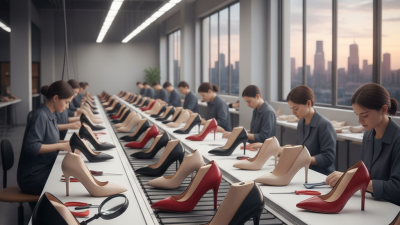
Quality assurance in footwear manufacturing is critical for producing reliable products. Major reports indicate that up to 80% of consumers prioritize quality when purchasing shoes. Custom OEM round shoes manufacturers in China have adopted rigorous QA processes to meet these expectations. They implement inspections at every stage of production, from material sourcing to final packaging. This systematic approach minimizes defects and enhances end-user satisfaction.
Silent Single Shoes, for example, may benefit from detailed inspections of raw materials. Inconsistent materials can lead to flaws in the finished product. By maintaining strict standards, manufacturers can ensure that every shoe meets quality benchmarks. Recent industry statistics reveal a 25% increase in returns due to quality issues, highlighting the need for robust assurance practices.
However, not all manufacturers achieve equally high standards. Some may skip vital inspection steps to reduce costs. This compromises the integrity of the footwear. The challenge lies in balancing cost efficiency with quality assurance. A comprehensive QA process can be a game-changer in strengthening consumer trust and loyalty. For manufacturers, building a reputation for quality is essential in a competitive market.
Quality Assurance Processes in Footwear Manufacturing
Technological Innovations in Chinese Shoe Production
Chinese shoe production has made significant strides in technological innovations that enhance quality and efficiency. The industry's rapid growth is underpinned by extensive research and development. According to a recent report by Research and Markets, the global footwear market is projected to reach USD 320 billion by 2027. China holds a pivotal role in this growth, contributing significantly to both production and design.
Modern manufacturing processes, such as 3D printing and automated assembly lines, significantly reduce production time and costs. For instance, a study from the International Footwear Report highlights that implementing automation can improve output by as much as 40%. Such innovations allow manufacturers to focus on quality, leading to the increased popularity of items like Thick Sole Shoes.
Tips: When selecting a custom OEM manufacturer, consider their technological capabilities. A supplier with advanced machinery is more likely to produce durable and innovative footwear. Regular assessments on production methods can uncover areas for improvement, ensuring products meet your quality standards. Additionally, keep an eye on market trends to stay ahead and adapt to consumer demands.
Sustainability Practices in China's Footwear Industry
In recent years, sustainability has become a significant focus in China’s footwear industry.
Manufacturers are integrating eco-friendly practices to meet the growing demand for responsible production.
According to a report by the Research Institute of China’s Footwear Industry, around 40% of companies have adopted sustainable materials in their product lines.
This shift is evident in the increasing use of recycled plastics and organic materials for footwear production.
While progress is being made, challenges persist. Some manufacturers still face difficulties sourcing sustainable raw materials.
The reliance on traditional manufacturing processes can hinder the shift toward greener alternatives.
Moreover, consumers are becoming more discerning, demanding transparency in production practices.
This presents an opportunity for brands to step up their sustainability efforts.
Tips:
Consider looking for
Women Work Shoes
made from sustainable materials. Check for certifications that validate eco-friendly practices.
It’s essential to be informed and make choices that align with your values.
Engaging with brands that prioritize sustainability can drive positive change in the industry.
Market Trends and Consumer Preferences in Shoe Design
The footwear industry is experiencing significant shifts driven by consumer preferences. Today’s shoppers seek unique designs that reflect their personal style. Trends show a growing demand for sustainable materials and ethically produced footwear. Consumers are increasingly aware of their choices and the impact on the environment. This shift influences manufacturers to innovate and adapt.
Customization is another trend gaining traction. Many buyers want shoes that fit perfectly. They desire options that reflect their individual identity. It is crucial for manufacturers to understand these needs. Providing customizable solutions can enhance consumer satisfaction. However, this approach requires careful planning and resource allocation.
Market research indicates a rise in casual and athleisure styles. Customers now prioritize comfort without compromising aesthetics. Brands must stay ahead of trends to remain relevant. Yet, adapting to changing preferences can be challenging. It requires ongoing research and flexibility in design processes. This constant evolution can lead to both successful outcomes and setbacks.
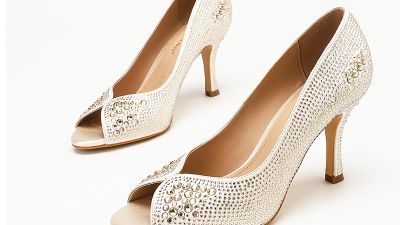
Elevate Your Bridal Look: Embrace Elegance with Rhinestone Peep Toe Heel Wedding Shoes
When it comes to perfecting your bridal ensemble, choosing the right footwear is paramount. Elevate your bridal look with stunning champagne rhinestone peep toe heel wedding shoes that exude elegance and sophistication. Adorned with sparkling rhinestones set against a luxurious satin base, these high heels capture the light beautifully, making you shine on your special day. The peep toe design not only offers a chic aesthetic but also ensures breathability, allowing for comfort throughout the day.
The stiletto heel provides both stability and grace, allowing you to walk confidently down the aisle. With a silent outsole, you can glide effortlessly without the distraction of noise, which is particularly important during those precious moments of your ceremony. Additionally, the soft, skin-friendly insole fits snugly, creating a pleasurable wearing experience that makes these heels ideal for weddings, intimate dinners, parties, and formal events. Make a statement with footwear that complements your elegance and enhances your bridal look, ensuring you're both comfortable and glamorous as you celebrate your love.
FAQS
: Custom OEM shoe manufacturing focuses on creating personalized footwear. It meets diverse customer needs effectively.
The market is projected to reach $10 billion by 2025. Personalized products are in high demand.
Many manufacturers use 3D printing to enhance design accuracy. It also reduces lead times significantly.
Nearly 30% of footwear products experience quality issues. This underlines the importance of effective inspection processes.
Sustainability is increasingly significant. Consumers actively seek eco-friendly options, creating pressure on manufacturers to innovate.
About 20% of defects come from poor material choices. Prioritizing quality materials is essential for durability.
Buyers prefer clear sourcing practices. Transparency in the supply chain builds trust with customers.
The ability to adapt to market trends defines competitiveness. Manufacturers must respond swiftly to changing demands.
A significant percentage prefers sustainability. However, not all manufacturers can deliver these products effectively.
Yes, it remains a challenge. Continuous improvement in practices is needed to enhance overall product quality.
Conclusion
China has established itself as a key player in the global footwear industry, particularly in the realm of custom OEM manufacturing. The demand for quality footwear solutions has led to the emergence of numerous manufacturers specializing in round shoes, characterized by their unique designs and adaptability to consumer preferences. These manufacturers prioritize quality assurance processes, ensuring that each product meets high standards while embracing technological innovations that enhance production efficiency and design capabilities.
Furthermore, the footwear sector in China is increasingly focusing on sustainability practices, reflecting a growing consumer awareness regarding environmental impact. Market trends indicate a shift towards more personalized and eco-friendly footwear options, aligning with modern consumers' preferences for style and sustainability. As the industry continues to evolve, the craftsmanship and innovative approach to round shoes position Chinese manufacturers as leaders in providing quality footwear solutions on a global scale.