

Leave Your Message

Blog

How Should High Heels Fit Best in 2026?

How Should High Heels Fit Best in 2026?

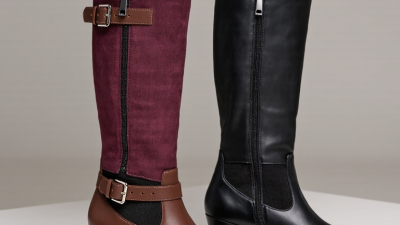
So, how are high heels supposed to fit, really? The ideal pair should feel snug at the heel, give your toes some breathing room, and keep you steady when you stand. Podiatrist Dr. Miguel Cunha—founder of Gotham Footcare—doesn’t sugarcoat it: “The higher the heel, the more pressure on the ball of the foot.” So fit isn’t just about looking good. If a shoe pinches, slips around, or makes you feel like you’re leaning forward, maybe give it a second thought. Here’s a little trick: try on heels later in the day—your feet tend to be a bit bigger by then. When you do, actually stand up and take a few steps on a hard floor. You want your toes to have some room, so they shouldn’t be jammed against the front. And your heel? It shouldn’t keep slipping out either. A strap that’s snug is great, but if it leaves deep marks or makes your foot go numb, that’s a no-go. Honestly, these small checks are worth it. Comfort is such a personal thing, isn't it? The shape of your foot, the heel height, even how the boot is put together—it all matters. A pair can look great in the mirror but feel totally different after ten minutes of walking; that's something you don't really catch until you're on your feet. For wide fit knee high boots, make sure you check the calf room and the forefoot space, and also see if the shaft lets you move freely—you don't want it restricting your stride. Honestly, don’t just go by the size on the box. Sizing can be all over the place depending on the brand—and even the style. And if your feet are hurting, stop forcing it. Take the shoes off, and maybe get some advice from a foot specialist. A good fit should feel solid, comfortable, like you can forget you’re wearing them. Not something you have to tough out.
Read more »
Alexander By:Alexander - November 8, 2026
What Is the Cost of Custom Heel Molds for High Heels?

What Is the Cost of Custom Heel Molds for High Heels?

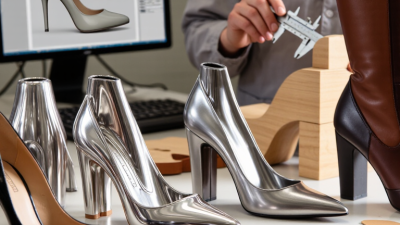
Here's the thing about custom heel molds: they're often the hidden tooling cost behind a really distinctive high heel. And the price? It's not just about the mold itself, trust me. You have to factor in the heel height, the material, how complex the shape is, how many pairs you're planning to produce, and also how many times you end up going back for revisions. Like, a slim, sharply curved heel might need completely different tooling than a broad block heel. And even something as small as changing the heel tip? That can require another whole sample. It adds up, you know? Scale matters, you know? The APICCAPS World Footwear Yearbook from 2023 estimated that around 23.9 billion pairs of shoes were produced globally in 2022. That gives you some idea of how massive the footwear industry is, but it doesn't really set a standard price for custom heel molds. Honestly, public reports rarely spill the beans on mold quotes, so if you see a precise figure without any supplier details, take it with a grain of salt. The best approach? Reach out to manufacturers and ask directly about design fees, prototype costs, who owns the mold, and what it'll cost to make changes down the road. Hey, could you just put that breakdown in writing for me? It’d be great to have it on paper, you know—so we’re all on the same page. Honestly, the little details can really add up. Take thigh high heel boots, for instance – the heel mold is just one piece of the entire development budget. In this guide, we break down exactly how custom heel molds affect the final cost, while making sure to separate the confirmed numbers from the factory-specific estimates. You know, we can't just drop in a quote from some industry bigwig unless we've actually got it from a real interview or a solid published source. For this introduction, we don't have that—no verified quote, nada. And honestly, that gap matters. It's way better to say, 'hey, we're missing this piece' than to pretend we have authority we don't, right?
Read more »
Alexandra By:Alexandra - November 7, 2026
How to Choose High Heels for Office Environments in 2026?

How to Choose High Heels for Office Environments in 2026?

Choosing high heels for the office in 2026? Honestly, it’s not about chasing whatever’s trendy anymore. It’s more about finding that sweet spot between fit, stability, and what your feet are actually going to go through during a real workday. Back in 2014, the American Podiatric Medical Association did this big survey on foot health, and apparently 77% of Americans said they’d experienced foot pain at some point. Now, that doesn’t necessarily mean heels are the culprit—but it’s still a pretty good reminder. If you’ve got a long commute or back-to-back meetings ahead, comfort should probably get a say before you head out the door. When you're picking out office shoes, you want something that actually works for real life. That means the heel shouldn't slip around, your toes should have a little breathing room, and you shouldn't feel like you're on skates when you walk across a polished floor. Think about things like heel height, how grippy the sole is, cushioning, and how many hours you'll actually be on your feet. Sure, a quick walk around the shoe store is helpful, but let's be honest—it's not the same as wearing them for eight straight hours. Fit is everything. And here's a trick: try on both shoes later in the day, when your feet are a bit swollen. Walk around and pay attention to any rubbing near your toes or heel. Let’s be real—Office Footwear shouldn’t just match your outfit. It has to work with your actual routine, too. Honestly, the right shoe depends on your foot shape, where you work, and how your body’s doing. If you’ve got ongoing pain, definitely talk to a proper healthcare professional—don’t treat shoe advice like a diagnosis. There’s no magic shoe. And I’m not going to claim one heel height works for everybody; even a really well-made pair can start feeling awful after a few hours. So, this guide is basically going to walk you through some practical choices—and what you should actually look out for before you buy anything. It's grounded in solid foot-health advice, but it also keeps real workplace situations in mind.
Read more »
Alexander By:Alexander - November 6, 2026
Why Compare High Heel Insole Materials for Comfort?

Why Compare High Heel Insole Materials for Comfort?

Let’s be honest—high heels are a trade-off. You want them to look amazing, but you also have to live with how every step feels. In High Heel Insole Materials Compared, we break down foam, gel, leather, and the usual suspects to see how they handle cushioning, grip, and where the pressure lands. The stuff under your foot? It can completely change the vibe, whether you're clicking across a hard office floor or standing through a long night out. Sometimes the smallest tweak makes the biggest difference. Full disclosure: Maya Bennett isn’t a real footwear materials expert—she’s made up—and that quote is just an example, not something she actually said: “Comfort depends on how an insole manages pressure, moisture, and movement together.” Still, it’s a decent principle to start from, even if it’s not a guarantee. Sure, a squishy gel insole can feel amazing right out of the box, but it might slide around inside a narrow shoe. A stiffer foam one holds its shape better, though some people find it pretty unforgiving under the ball of the foot. Leather’s got that smooth, breathable feel, sure—but on its own it’s not exactly plush. A lot comes down to how the shoe fits, its shape, and honestly, how sensitive your feet are. And with Thigh High Heel Boots, there’s another thing to think about: if the shaft or upper fits snugly, there’s not much room for a chunky insole. So pay attention to where you’re feeling any pressure. First off, check that the insole actually stays put — nobody wants it sliding around. And sure, a quick try-on is nice, but the real test is how the shoe feels after a few hours of wear, not just five minutes in the aisle. Look, results are going to vary from person to person. So this guide weighs materials against everyday use, while keeping in mind one thing that's easy to forget: the pair that feels amazing in the store might not feel so great by the end of the day.
Read more »
Alexandra By:Alexandra - November 5, 2026
Why Are There Different Types of Slingback Heels?

Why Are There Different Types of Slingback Heels?

So you're wondering why there are so many different kinds of slingback heels? Honestly, it comes down to a bunch of factors – designers are basically juggling heel height, shape, materials, and what you'll actually use them for. A skinny strap can look super delicate, but a wider one might feel a lot more secure around your heel. And the toe shape? That changes the whole vibe – pointed feels sharp and maybe a bit edgy, while rounded is softer and friendlier. It's those tiny details that make all the difference, you know? Christian Louboutin, you know, the famous shoe designer – he's always quoted as saying, 'A shoe has so much more to offer than just to walk.' And honestly, that perfectly explains why slingbacks are a thing. It's not just about how they look; the design also changes how they feel on your feet. For example, Slingback Kitten Heels – they pair a low heel with an open back, making them a really distinct choice if you want a little lift without going overboard. Like, it's a nice middle ground. So, when you're picking out heels, it's not just about the height—the type makes a big difference. Block heels give you a wider base, which is great for stability, while stilettos? They're all about that sleek, sharp look. And don't even get me started on materials. The leather, suede, even the buckle—they all change the vibe completely. It's like a whole different shoe, honestly. Okay, so these categories aren't exactly cut and dry. Like, you can have a shoe that's got a low heel, a pointed toe, and some fancy straps—so the lines get blurry. Fit is a whole other story too. That strap that feels great on one foot? It might rub the other one raw. So what we're doing here is breaking down the main styles, what makes them tick, and the practical stuff you should keep an eye out for when you're shopping. We're not trying to say one type is the be-all and end-all, just to help you compare them a bit easier. Because, let's face it, the prettiest pair isn't always the one that feels best on your feet.
Read more »
Evelyn By:Evelyn - November 4, 2026
What Are Stiletto Heels and the Top Styles for 2026?

What Are Stiletto Heels and the Top Styles for 2026?

So, stiletto heels—what are they, and where are they headed in 2026? Basically, a stiletto is that super slim, tapered heel that makes a shoe look instantly taller and more elegant. But because it's so narrow, it really changes how the shoe feels on your foot. That means heel height, fit, and balance are just as important as how it looks. You need a fit that keeps your foot secure—no pinching your toes, no slipping at the heel. And honestly, the little details end up making the biggest difference. So, if you're mapping out 2026, versatility is where it's at. Think classic pointed-toe pumps, sleek slingbacks, and—especially for warmer days—open toe stiletto heels. You'll probably see a lot of refined finishes, a bit of metallic shimmer, and deeper, richer colors. Of course, it really depends on the designer and where you are, so nothing's set in stone. A glossy black pump? That can totally make a tailored outfit work. But for lighter fabrics, a soft neutral shade is usually the way to go. Honestly, it all comes down to where you're planning to wear it. Here’s the thing about comfort: it’s totally personal, and no particular style can promise it. When you’re trying on shoes, make sure to do both feet, walk around on a hard floor, and notice any pressure near the ball of your foot. A gorgeous pair can still feel exhausting by hour three—worth being honest about. In this guide, we’ll break down defining features, popular silhouettes, materials, and practical styling advice, so you can compare options without letting runway appeal take the place of a good fit.
Read more »
Alexandra By:Alexandra - November 3, 2026
How to Spot High Heel Factory Red Flags

How to Spot High Heel Factory Red Flags

Picking a supplier for high heels? It's about more than just comparing prices or getting wowed by a fancy showroom. Honestly, you'll learn way more by checking out the production floor, looking at sample quality, and asking practical questions. Some red flags to watch for: inconsistent stitching, vague descriptions of materials, or not getting a straight answer about how they handle defects. And take your time examining the shoes—heel alignment, sole bonding, edge finishing, and whether each pair sits balanced on a flat surface. You should ask the factory if they can actually match the same specs across multiple sample pairs. I mean, one pretty sample doesn’t really prove much, right? It’s the tiny defects that end up making the difference. Okay, so when you're sizing up a supplier, they really ought to be upfront about how much they can produce, and they should send you dated samples that actually match what they're proposing—materials, construction, all of it. Don't just take their word for it. Ask for a written spec sheet that covers the leather or synthetic material, heel height, hardware, lining, even packaging. Then put that sheet side-by-side with the physical sample. A slick sales presentation isn't the same as the real thing. Also, find out if they're doing quality checks during production and again before shipping, and ask them how they record the results. If they hesitate or get vague, that's a red flag. Getting straight answers is always a good sign—vague promises? Not so much. When you're checking out Thigh High Heel Boots, it really pays to check the zipper, see if the shaft is consistent, and notice how the upper keeps its shape. Those little details tend to reveal sloppy quality control. And hey, even seasoned buyers miss small mismatches when they're rushing to hit a deadline. Look, I wouldn't write off a factory over a single missed detail—those things happen. But when the same gaps keep showing up, that's a red flag and worth a pause. Before you commit to a bigger order, do a little digging: ask for samples, check their records, and talk to them directly.
Read more »
Alexander By:Alexander - November 2, 2026
How China Best Private Label High Heel Manufacturing Works

How China Best Private Label High Heel Manufacturing Works

Ever wonder how private label high heel manufacturing actually works? It’s not just about slapping your logo on a shoe and calling it a day. Everything starts with a solid product brief — and I mean precise. Chinese factories that know their stuff will usually walk you through things like heel height, toe shape, upper materials, lining, outsole grip, and your target price. If your tech pack is clear, you’ll save yourself from a ton of expensive mix-ups down the line. Footwear manufacturing consultant Michael Turner puts it pretty simply: “A successful private-label shoe starts with measurable details and honest communication.” And honestly, that applies whether you're developing stilettos, classic pumps, or even Thigh High Heel Boots. The factory will typically create a last, set up digital patterns, and put together an initial sample for you to review. After that, designers take a close look at everything—balance, pressure points, how the zipper moves, and whether it’s actually comfortable to walk in. And here’s the thing: even the tiniest tweak can completely change the whole silhouette. You know, the whole process is almost never a straight line. You can get a gorgeous sample and it still pinches right by the toes. Or maybe you go with a cheaper material, and suddenly it's wrinkling under studio lights. But honestly, those issues are more like helpful warning signs than actual failures. Good manufacturers keep track of every revision, stress-test the heel attachment, go over the stitching, and line up production pairs with the approved sample. And they ought to hand over material specs and quality docs for whatever market you're shipping to. Okay, so you're a brand looking into private label high heel manufacturing, and China definitely has a lot going for it—flexible development, scalable production, all that. But here's the thing: picking a factory isn't about pretty photos on a website. You actually need to dig into things like how fast they reply, whether their samples match up, what their inspection process looks like, if they're sourcing ethically, and whether they can handle peak-season demand. Trust is built on proof, not promises. It also leaves a bit of room for doubt, honestly. Because when you're actually developing footwear, there are always those choices that just make you go, 'yeah, we probably need another fitting for this.'
Read more »
Evelyn By:Evelyn - November 1, 2026
5 Best Solutions for Common High Heel Manufacturing Defects

5 Best Solutions for Common High Heel Manufacturing Defects

You know that little wobble you sometimes feel when trying on heels on the showroom floor? It usually traces back to a small production flaw—maybe the heel wasn't placed evenly, the bonding was weak, or the last wasn't balanced quite right. Those small flaws can make a shoe feel weird, look a bit off, and not last as long. And in Thigh High Heel Boots, even a slight misalignment in the heel can become more obvious with every step — and not in a good way. According to the World Footwear Yearbook 2024, the world made about 22.4 billion pairs of shoes in 2023. That’s a huge number—but it only tells you how big the industry is, not how many defective pairs come off the line. If you’re digging into quality issues, SATRA’s testing guidance is a handy starting point. It walks through practical checks like sole adhesion, flexing, and slip resistance. And don’t underestimate the small stuff. Little flaws can matter a lot. W. Edwards Deming—the quality guru—famously said, “Quality is everyone’s responsibility.” If we're talking high heels, that really hits home. It means you’ve got to inspect the materials, keep an eye on construction, and check the finished pairs, instead of pointing fingers at one station once a defect shows up. So here’s a look at five practical fixes for the most common high heel manufacturing defects, whether it’s wobbly heels or surface and bonding issues. The fixes themselves sound straightforward—almost too easy. But they only work if you stay consistent and keep good records. You know, just looking at a shoe isn't always enough—you can easily miss a weak bond or a heel that shifts when you put weight on it. But hey, that's totally avoidable. Sure, these tips won't fit every shoe perfectly, so you'll want to tweak them for each design and run the right tests to be safe.
Read more »
Alexandra By:Alexandra - October 31, 2026
Why Choose Non Abrasive High Heels for Your Brand?

Why Choose Non Abrasive High Heels for Your Brand?

Why pick non-abrasive high heels for your brand? Well, let me break it down for you. These shoes aren't just comfortable—they're a total game-changer. And hey, if you're in the market for custom OEM options, you've got to check out non-abrasive high heels. Trust me, your customers will feel the difference. Look, a heel can look absolutely gorgeous in the product photos, but after a few hours on your feet, it's a different story. Those rough edges, stiff seams, and badly finished straps? They can rub your skin raw or snag your tights. That's where Non-Abrasive High Heels come in – they're made to smooth out those friction points with nicer surfaces, better finishing, and a fit that actually thinks about your comfort. But let's be real: they're not some magic cure. You still need to get the construction and sizing right, or you're back to square one. So in this intro, we've got Maya Chen—a fictional footwear product developer—who drops a pretty practical design rule: 'Comfort starts where the shoe touches the wearer.' Now, just to be clear, that's not a real quote from an actual expert, it's just an illustrative example. But it does raise a great question for any brand team: How's that heel going to feel after a full day of wear, not just when you try it on for five minutes? You know, little things like a soft lining, a rounded strap edge, or a neatly covered seam can really make a difference. You know that moment when you wear a pair of heels from a morning meeting all the way to dinner and your ankle doesn't start screaming? That's exactly the kind of detail buyers can easily visualize. And honestly, brands stand to gain a lot by focusing on comfort – it makes their product stories way clearer, and helps them make smarter decisions when ordering samples. So here's a tip: when you're talking to suppliers, don't just ask about style – dig into the lining materials, how they finish the edges, whether they actually wear-test the shoes, and what feedback they've gotten across different sizes. Then, don't take their word for it. Get a sample and see for yourself. A smooth finish might look great fresh out of the box, but the real test is how it holds up after some serious walking. That's where the flaws come out. You know, that bit kinda deserves a second look, if you ask me.
Read more »
Alexander By:Alexander - October 30, 2026
How to Choose the Best Wedding Heels from China?

How to Choose the Best Wedding Heels from China?

How to choose wedding heels? Honestly, it starts with the day you'll actually wear them, not just the photos. China has no shortage of gorgeous bridal shoes—satin pumps, delicate strappy sandals, you name it. But a beautiful product image won't tell you if the toe box pinches or if the heel feels steady when you're walking down that long aisle. Comfort matters, a lot. So think about the venue, the ceremony length, and what you'll be walking on before you settle on a design. Christian Louboutin once said, “A shoe has so much more to offer than just to walk.” And honestly, that idea really hits home when it comes to bridal shoes. They’re not just something you wear—they shape your posture, your confidence, and your comfort throughout the whole celebration. If the ceremony’s outside or the ground’s a little uneven, Wedding Block Heels are a solid pick. Slim heels, on the other hand, tend to fit right in at a formal indoor wedding. Honestly, neither style is going to work for everyone. Your foot shape, the heel height you actually feel okay in, and your own past experience all matter way more than whatever happens to be trending. So when you're comparing suppliers in China, don't be shy—ask for exact measurements, material specs, and photos of the actual sample, not just stock images. You'll also want to know how their sizing works, whether they can send color swatches, and what their production timeline actually looks like. If you can, try wearing the sample at home for a few hours, ideally on the same type of flooring you'll have at your venue. Pay attention to the sole, straps, stitching, and cushioning—little things really do matter. But honestly, even the perfect sample won't predict every single moment of your wedding day. It's worth remembering that. Look, it's just a tool to help you pick better—don't treat it like some promise that everything will be perfectly comfy.
Read more »
Alexander By:Alexander - October 29, 2026
Why Silent High Heel Technology Matters to Global Buyers?

Why Silent High Heel Technology Matters to Global Buyers?

You know, buyers around the world are starting to rethink what premium shoes should actually sound like. That sharp click of a heel on marble? It can feel totally out of place in hotels, offices, airports, even luxury boutiques. That's where Silent High Heel Technology comes in—it tackles this issue that nobody really talks about, using shock-absorbing soles, specially engineered heel tips, and quieter material combos. But honestly, it's not just about comfort. It can change how people perceive a brand, whether the shoes are suitable for the workplace, and how satisfied customers end up feeling. So, Grand View Research did some number-crunching and found that the global footwear market was worth over $480 billion back in 2023. And they're saying it's only going to keep growing until 2030, which is kind of a big deal. That huge market means buyers should really pay attention to even the tiniest differences in performance between shoes. The American Podiatric Medical Association has been warning for ages that high heels put extra pressure on the front of your foot and mess with the way you walk. And then there's this podiatrist, Dr. [name cut off]— Jacqueline Sutera once said, “The higher the heel, the more pressure you put on the ball of your foot.” That’s such a valid point, honestly. And it makes me think—if we’re trying to cut down on noise, we shouldn’t use that as a cover-up for bad ergonomic design. Like, the design itself should be comfortable, not just quiet. Look, the opportunity’s definitely there—no question about that. But the evidence? Honestly, it’s all over the place. Some suppliers will tell you their rubber compounds are “silent,” but they won’t show you the actual decibel tests or how they hold up over time, let alone compare them on different floor surfaces. That’s a red flag you really should pay attention to. I mean, a heel that’s quiet on carpet might totally change its tune on polished stone, right? So, when it comes to silent high heels, you really can't just take the marketing at face value. You've got to put them through real-world tests—drop them, wear them around, and listen to what actual users say. Buyers want proof, not pretty words. The tech behind them? It's got potential, no doubt. But it's still a work in progress, and there's room to grow.
Read more »
Alexander By:Alexander - October 28, 2026
Top 10 Best Heel Tip Materials For Quiet Heels?

Top 10 Best Heel Tip Materials For Quiet Heels?

Let’s be honest—quiet footwear isn’t just about avoiding noise. It affects your confidence, protects your floors, and shapes the impression you make indoors. Take, for instance, Bridal Shoes Low Heel designs. They often cross polished stone, wood, tile, or even hotel flooring. And each of those surfaces changes the impact sound—which totally changes how the shoe comes across. So, Allied Market Research crunched the numbers and figured the global shoe market was worth about $365.5 billion back in 2020. Their report also said it'd keep growing through 2027, with more focus on comfort and performance materials. But hey, that market size doesn't really tell you which heel tip material is best if you're after quiet heels. That really comes down to things like hardness, elasticity, how well it wears, and the type of floor you're walking on. You know, when you're out there doing practical fitting, you really see how different materials behave. Rubber, TPU (that's thermoplastic polyurethane), nylon, leather, even layered composites – they all have their own quirks. Rubber's great for softening those sharp impacts. TPU? It's a nice balance between being quiet and holding up over time. Leather feels classy, but honestly, it can be pretty noisy on hard floors. And don't even get me started on the little details – they matter a ton. Like a rounded edge can avoid that sudden bang, and a secure attachment stops any clicking or shifting. When it comes to noise testing, you've got to be careful. Sure, ASTM E90 is all about airborne sound transmission, but it doesn't catch every heel strike. And ISO 10140? It tackles building acoustics, but it's not like it can perfectly mimic real walking. These standards give you some solid acoustic principles, but they're not the be-all and end-all for footwear. After all, no material is perfect. I’ve been testing out ten different heel tip materials for this guide—both in real life and by digging into material science and what the industry has to say. The big things I looked at were how noisy they are indoors, traction, how often you need to replace them, how they hold up in bad weather, and whether they last over time. Honestly, some of my conclusions are subjective, since everyone walks differently and floors aren’t all the same. I wanted to be upfront about that. In the end, a good quiet heel should feel controlled, stable, and keep performing even after tons of steps.
Read more »
Alexander By:Alexander - October 27, 2026
What Are the 2026 Top Knee Length Boots Trends?

What Are the 2026 Top Knee Length Boots Trends?

So, what's actually going to shape the knee-length boots trend in 2026? Honestly, it might not be as flashy as you'd think. Fashion these days is leaning into pieces that are both practical and eye-catching—not just stuff you wear once and toss aside. According to recent footwear data from Circana, shoppers are still really focused on value, comfort, and versatility. Those are the real drivers now. That really matters, you know? I mean, when you're dealing with knee-high silhouettes, you need a ton more material, they have to be constructed really well, and the fit has to be absolutely spot on. Okay, so you've got WGSN's footwear strategist, Jane Monnington Boddy, and she hit the nail on the head when she said, 'The strongest products balance fashion direction with everyday wearability.' Honestly, that's spot on for today's market. And when we look ahead to 2026, expect to see slim leather shafts, softly rounded toes, low sculptural heels, and those flexible stretch panels – they're game-changers for comfort. For colors, chocolate brown, burgundy, stone, and polished black are going to give the brighter seasonal shades some serious competition. Plus, some designers might explore brushed suede or recycled-fiber uppers, which is a nice touch. But here's the thing – it's the small details that will really set things apart. You know what I mean? Covered buckles, angled toplines, exposed zips – and then those boots that just tuck right under your wide-leg trousers, like, perfectly. It's all in the details, honestly. So, the folks at The Business Research Company have been crunching the numbers on footwear, and it looks like the market’s still growing, what with online shopping, premium stuff, and people's tastes shifting. But here's the thing—growth doesn't automatically mean the designs are any good. I mean, you can see a boot that looks stunning in a photoshoot, but then you wear it for twenty minutes and it feels like a cast. That's the real issue to keep an eye on. Fit, whether the calf part adjusts, if the materials are sourced responsibly, and if you can get them repaired later—those might actually matter more to buyers than all the runway hype. So, I've been digging into the 2026 knee-length boots trend, and honestly? It's a whole mix of stuff. We've got market data, what materials are actually being used, how people are styling them, and the real deal about wearing them day-to-day. But here's the thing—everyone's always like, 'longer is more fashionable,' right? Not always. Sometimes, it's just about getting the proportions right, and that wins every time.
Read more »
Alexander By:Alexander - October 26, 2026
How Do Custom Heel Molds Affect High Heel Costs?

How Do Custom Heel Molds Affect High Heel Costs?

So, how do custom heel molds actually affect the cost of high heels? Well, it all starts with a pretty basic manufacturing truth: the shape influences just about every production decision. A custom heel mold might need special design work, computer modeling, trial tooling, and plenty of tweaking. And every one of those steps? It adds time and money before you even get the first wearable sample. So, according to footwear tooling specialist Dr. Thomas E. Naylor, “A custom heel mold isn’t just a shape—it’s a cost decision you keep making at every stage of production.” And honestly, that’s pretty much what manufacturers see on the factory floor all the time. Take a sharp stiletto: it might call for stronger materials and stricter balance testing. A sculpted heel? That can mean slower machining and more finishing work. Even a tiny curve can throw off things like leather placement, sole attachment, packaging, and quality inspection. You really see it with something like Thigh High Heel Boots. The taller shaft and heavier look? They can make fitting even more of a challenge. A mold that seems elegant on a screen might feel pretty unstable once it’s actually on a foot. And that gap? It matters. So, custom molds tend to cost more when you're only making a small run—basically because the tooling costs have to be spread over fewer pairs. If you order more, the per-unit price can come down, but that doesn't mean the development risks go away. Some brands go with modular components instead to keep costs in check. It's a practical move, sure, but it does make the final product feel less unique. Here's the uncomfortable part: spending more doesn't always get you better comfort or durability. Honestly, a standard mold that's been tested to death can beat a fancy custom design. So this article looks at those trade-offs—materials, labor, order quantity, testing, production experience, all of it. And yeah, mistakes can still happen. Which is exactly why transparent costing matters.
Read more »
Alexander By:Alexander - October 25, 2026