Leave Your Message
0%

So, you're wondering how long it actually takes to get a pair of high heels made? Well, the answer really depends on a bunch of things — like how complicated the design is, what materials you're using, how many pairs you order, and what the factory’s capacity looks like. For a pretty basic pair of heels, you’re probably looking at around four to eight weeks after everyone’s design gets the green light. But if you've got something more custom or elaborate, it can take much longer.

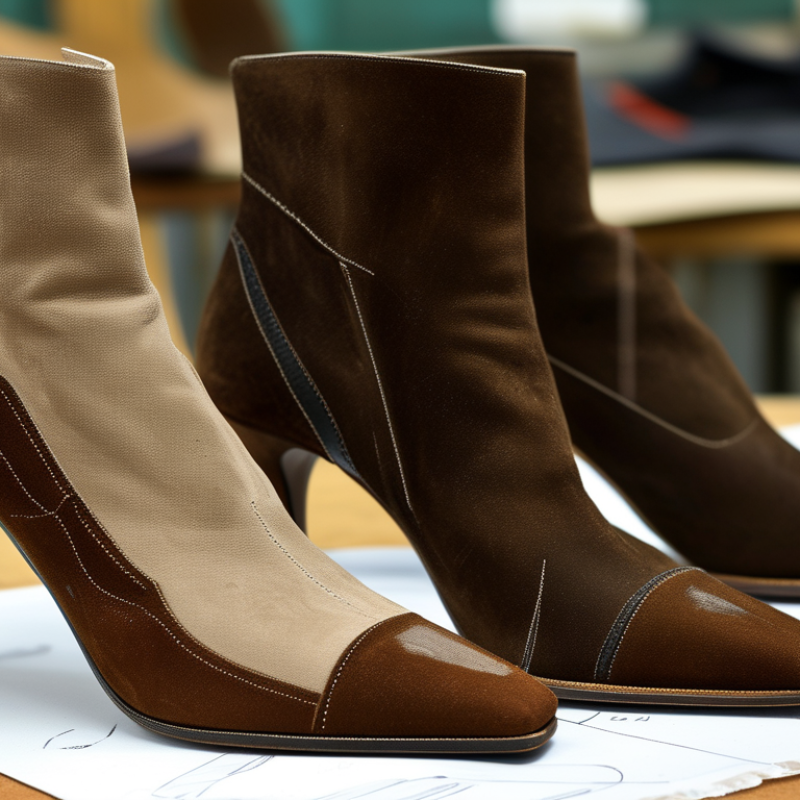
In a professional shoe factory, the whole process usually kicks off with sketches, technical drawings, and figuring out the last — that’s the mold that shapes the shoe. Making a sample can take somewhere between a week and two weeks. Then comes shaping the heel, stitching the upper part, attaching the sole, and that last little bit of finishing up. Different materials — leather, satin, suede, even fancy hardware — all come with their own quirks and challenges. For example, if you're adding hand-applied crystals, that could mean extra inspection time to make sure everything’s just right. And if you’re going for something like long suede boots, especially around tall shafts or curved seams, matching the materials perfectly becomes super important and can slow things down a bit. Those little details really matter because they affect both how fast things move along and how consistent the final product looks.

Experience in the factory makes a big difference here. When suppliers are evaluating production, they’ll check samples, material certificates, inspection reports, and daily output records. Places like Mason Footwear tend to organize their teams — some handle development, others cut and sew, some focus on assembly, and then quality control. This helps keep things from getting held up unnecessarily. Still, nothing’s ever perfectly on schedule. Sometimes delays pop up because of material shortages, need to re-measure, color tests fail, or demand just shifts suddenly. I’ve seen promising timelines get pushed back after a heel balance test didn’t go well — honestly, that kind of thing can be easy to overlook. When planning, it’s smart to ask for key milestone dates, not just one big promise at the end. Think of this guide as a clear walk-through of all the steps, but keep in mind that real factory conditions aren’t always perfect — stuff happens."
How Long Does High Heel Manufacturing Take?

What Determines the Timeline for High Heel Manufacturing?

High heel manufacturing rarely follows a fixed calendar. Product complexity, material readiness, tooling, and order quantity determine the timeline. A simple pump may need fewer development stages. A sculpted heel requires stronger engineering and repeated balance tests. The factory must check heel height, pitch, outsole grip, and walking comfort. Small changes can reopen the fitting process.

The APICCAPS World Footwear Yearbook 2024 recorded 23.9 billion pairs produced globally in 2023. Asia represented 87.4% of that production. This concentration can reduce costs, but international sourcing adds shipping, inspection, and communication time. A factory may quote 45 to 75 days after sample approval. That estimate usually excludes material development and mold preparation. Complex designs often need 8 to 14 weeks before bulk production begins.

Leather shade matching can delay cutting. Metal ornaments may require separate testing. A heel mold can also need revision after a wear trial. The State of Fashion 2025, published by McKinsey and The Business of Fashion, identifies supply-chain volatility as an ongoing industry concern. That risk matters when materials cross borders. A practical schedule should include buffer time. Not enough buffer. A missed approval can affect every later stage. Suppliers should provide dated checkpoints for molds, samples, testing, and final inspection. A faster promise is not always a reliable promise.

How Long Does High Heel Manufacturing Take? - What Determines the Timeline for High Heel Manufacturing?

Manufacturing Stage Typical Duration Main Activities Factors That Affect the Timeline Can It Overlap?
Design and Technical Development 1–3 weeks Creating sketches, technical drawings, measurements, heel specifications, and construction details. Design complexity, number of colorways, heel geometry, decorative details, and speed of approvals. Partly
Last and Heel Mold Development 2–5 weeks Developing the shoe last, heel shape, heel mold, and related tooling. Custom tooling, heel height, unusual shapes, material selection, and tooling revisions. Yes, with material sourcing
Material Sourcing 1–4 weeks Selecting and ordering leather or synthetic uppers, lining, insoles, outsole materials, trims, and packaging. Material availability, minimum order quantities, color matching, imported components, and supplier capacity. Yes
First Prototype 1–3 weeks Producing the first physical sample to check appearance, construction, proportions, and basic comfort. Pattern accuracy, tooling readiness, sample-room workload, and design changes. No, tooling and core materials are usually required first
Fit Testing and Revisions 2–6 weeks Testing size grading, balance, toe shape, heel stability, comfort, and walking performance. Number of sample rounds, size range, fit standards, heel height, and feedback turnaround. Limited
Pre-Production Sample 1–2 weeks Making a final sample with approved materials, colors, trims, labels, and construction methods. Final approval speed, material consistency, packaging requirements, and last-minute modifications. No
Bulk Production 3–8 weeks Cutting, stitching, lasting, attaching heels and soles, finishing, and assembling the approved quantity. Order volume, production line capacity, construction complexity, number of sizes, and seasonal demand. No, but some preparation can overlap
Quality Control and Corrections 1–2 weeks Inspecting dimensions, stitching, surface finish, heel attachment, sole bonding, color, and packaging. Inspection standards, defect rate, inspection method, rework requirements, and batch size. Partly
Packing and Dispatch Preparation 3–7 days Adding labels, tissue paper, boxes, cartons, shipment marks, and final quantity checks. Packaging customization, carton availability, labeling requirements, and shipping documentation. Yes, with final quality control
Typical overall timeline: Approximately 8–16 weeks for a straightforward repeat style, 12–24 weeks for a new custom high heel, and longer when custom tooling, specialized materials, multiple revisions, or large production volumes are involved. These stages may overlap, so the total calendar time is not always the exact sum of every individual duration.

How High Heel Designs Are Planned and Approved

How Long Does High Heel Manufacturing Take?

High heel manufacturing starts with design approval, not cutting leather. A development team defines heel height, toe shape, pitch, materials, and target cost. A technical designer then converts sketches into a last, pattern, and sample specification. For a standard high heel, planning and sampling often require four to eight weeks. Complex Long Boots may take longer because shaft height, calf fit, and zipper placement need extra testing.

Approval is rarely a single meeting. Fit technicians examine pressure points, balance, heel attachment, and walking stability. The American Podiatric Medical Association reported that 71% of surveyed women experienced foot pain from high heels. That finding makes wear testing more than a cosmetic step. A sample may look elegant but still fail after twenty minutes of walking. Small changes matter. A two-millimeter pitch adjustment can alter comfort and posture.

Production timing depends on how quickly teams resolve faults. The World Footwear 2024 Yearbook recorded about 22.4 billion footwear pairs produced globally in 2023, showing the scale of a highly competitive supply chain. Yet volume does not guarantee speed. Factories still need material confirmation, mold preparation, trial assembly, and final inspection. In practice, an approved design may need another two to four weeks before bulk production begins. Some teams approve too early. That mistake can create costly rework. A slower, evidence-based review is usually safer.

How Materials Are Selected and Prepared

How Long Does High Heel Manufacturing Take?

How Materials Are Selected and Prepared

High heel manufacturing often takes several days to several weeks, depending on material readiness and design changes. Material selection begins with the shoe’s purpose, heel height, flexibility, and expected wear. Upper materials may include leather, woven fabric, or engineered alternatives. Each option must balance appearance, strength, breathability, and cost. A soft material can feel comfortable, but it may stretch around the toe box. I have seen attractive samples lose their shape after repeated fitting. That mistake is easy to underestimate.

Preparation requires careful inspection before cutting. Technicians check thickness, surface marks, color consistency, moisture, and grain direction. Leather may need conditioning, while textiles require controlled tension and alignment. Sheets for heels and soles are measured for density and stability. Components are then cut, skived, reinforced, and matched by production batch. Small differences can affect symmetry. Sometimes, the material passes visual inspection but fails flex testing, so the team must reconsider the original choice.

Tips: Keep materials in a clean, dry room before production. Test a small sample first. Record supplier batches, thickness readings, and conditioning time. Do not rely only on appearance. A material that feels excellent by hand may still crease badly or weaken near the heel. Allow extra time for testing, especially when the design uses unfamiliar materials.

How Heels, Soles, and Uppers Are Produced

How long does high heel manufacturing take? A standard production run often needs 30 to 60 days, including sampling, material preparation, assembly, and inspection. The range is wide. The World Footwear Yearbook 2024 reports approximately 23.9 billion pairs produced globally in 2023. Large-scale factories can therefore use highly standardized processes. Smaller runs may move more slowly. For Long Leather Boots, workers first inspect hides, cut each upper, skive thick edges, and stitch panels around the ankle. Leather scars and uneven grain can change the cutting plan.

Heels and soles follow a separate path. Heel components may be molded, carved, wrapped, and attached to a reinforced insole. Rubber or polyurethane soles require molding, trimming, bonding, and curing. Curing time matters. A factory may complete assembly in one day, but flexing, bond-strength, and wear checks can add several days. SATRA testing guidance highlights these checks. The Textile Exchange Materials Market Report 2024 places global leather production near 12.5 million tonnes in 2023, yet material consistency still varies. That is where schedules become imperfect.

Tips: Request a written timeline for uppers, heels, soles, and testing. Ask how many days are reserved for leather inspection. Allow extra time for corrections. Do not treat 30 days as guaranteed. One overlooked wrinkle or weak sole bond can restart part of the process.

How Shoes Are Assembled and Finished

How Long Does High Heel Manufacturing Take?

High heel manufacturing often takes three to eight weeks, depending on the design and order size. Assembly usually begins after the upper materials pass inspection. Workers cut leather or synthetic panels, stitch them around a shaped last, and insert the toe puff and heel counter. These parts give the shoe its form. Small creases can appear here. Skilled workers correct many of them, but not every mark disappears.

The lasting stage pulls the upper tightly over the last. It demands steady tension, especially around pointed toes and tall shafts. The insole is fixed next, followed by the heel, shank, and outsole. For Thigh High Heel Boots , the extended shaft needs careful alignment around the calf and thigh. A slight twist can affect comfort and appearance. Heel attachment must be secure, so technicians check screws, adhesive coverage, and balance before final finishing.

Finishing includes edge painting, polishing, trimming loose threads, and removing excess glue. The shoes then rest while adhesives cure. Inspectors examine stitching, surface color, heel stability, and pair matching under bright light. Some workshops test walking comfort on a short indoor route. This step is useful, though it cannot predict every customer’s experience. A final fitting may reveal pressure near the toes or uneven support. That feedback can send a pair back for adjustment, adding several days to production.

How Quality Checks Affect the Final Delivery Time

How Long Does High Heel Manufacturing Take?

High heel manufacturing often takes four to eight weeks after final samples are approved. Quality checks can extend that schedule by several days. They are not decorative steps. Inspectors examine stitching, leather tension, heel alignment, outsole bonding, and surface marks. A small defect near the heel may force a complete rework.

The 2024 World Footwear Yearbook reported about 23.9 billion footwear pairs produced worldwide in 2023. That scale increases pressure on factories, but production speed cannot replace careful inspection. Under ISO 2859-1, factories may use acceptance sampling instead of checking every pair. Sample size and acceptable quality limits influence the inspection workload. A failed sample can trigger expanded checks, adding one to three working days in many production schedules.

Heel attachment needs special attention. SATRA footwear test methods assess areas such as heel security, flexing, and slip resistance. These tests may require repeated loading, conditioning, and measurement. Comfortable High Heel Shoes need more than attractive shaping. The heel must remain stable after repeated movement.

Timing estimates can still be imperfect. A clean inspection report may miss hidden bonding weakness. That weakness may appear during packing or shipping. Not always. In practice, factories often reserve buffer time for corrections, replacement components, and another inspection. This makes final delivery later, but it reduces avoidable returns and protects the product’s reliability.

How Long Does High Heel Manufacturing Take?

How quality checks affect the final delivery time

Typical small-batch production estimates show that quality checks can reduce delivery delays caused by defects. Although more inspections add inspection time, they usually reduce rework, keeping the overall lead time close to 30 days. Final-only inspection carries the highest rework risk and may extend delivery to approximately 31 days.

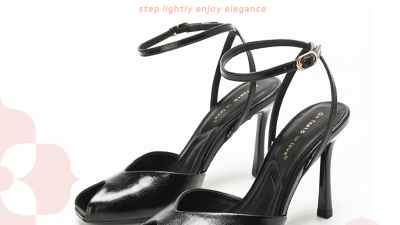
Black Peep Toe Ankle Strap High Heels: Style Trends Backed by Grand View Research’s 2024 Footwear Market Report

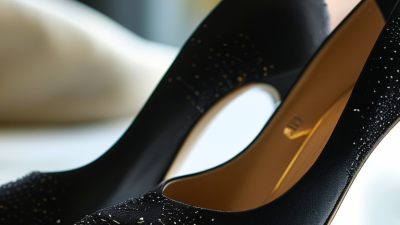
Black peep toe ankle strap high heels are entering a fashion market shaped by demand for versatile, polished footwear. According to Grand View Research’s 2024 *Footwear Market Size, Share & Trends Analysis Report*, the global footwear market was valued at approximately $457.5 billion in 2023 and is projected to grow at a compound annual growth rate of 4.3% from 2024 to 2030. This steady expansion reflects consumers’ interest in designs that combine visual appeal, everyday practicality, and occasion-ready styling. The black color, open toe, and ankle strap create a refined silhouette that transitions easily from professional outfits to evening looks.

This pair features a modern square toe and premium glossy leather, giving classic high heels a contemporary finish. The ankle strap adds secure support, while the quiet stiletto heel provides an elegant lift without creating unnecessary noise on indoor floors. A padded insole further improves comfort, making the shoes suitable for extended workdays, date nights, weddings, and formal events. As footwear shoppers increasingly value adaptable pieces that serve multiple settings, these black peep toe heels offer a balanced combination of sophisticated design, wearable structure, and seasonal styling potential.

FAQS

: How long does high heel manufacturing usually take?

: Production often takes three to eight weeks. Timing depends on design complexity and order size. Delays happen.

When does assembly begin?

Assembly starts after upper materials pass inspection. Workers cut panels and stitch them around a shaped last.

How do shoes receive their shape?

Workers insert a toe puff and heel counter. The upper is pulled tightly over the last during lasting.

Why can tall or pointed shoes take longer?

Pointed toes require steady tension. Tall shafts need careful alignment around the calf and thigh.

What happens during heel attachment?

Technicians check screws, adhesive coverage, and balance. A loose or uneven heel requires correction.

What does final finishing include?

Workers paint edges, polish surfaces, trim threads, and remove excess glue. Shoes then rest while adhesives cure.

How do quality checks affect delivery time?

Inspections may add several days. Failed samples can require wider checks, rework, and another inspection.

What defects do inspectors look for?

They examine stitching, color, surface marks, outsole bonding, heel alignment, and pair matching under bright light.

Can inspection guarantee perfect comfort?

No inspection predicts every customer’s experience. A short walking test may miss pressure near the toes.

Why is extra production time sometimes reserved?

Factories may need time for replacement parts or adjustments. Hidden bonding weakness can still appear later. Not always.

Conclusion

How Long Does High Heel Manufacturing Take depends on the design complexity, material availability, production quantity, and approval process. The timeline usually begins with planning the shoe design, confirming measurements, creating samples, and approving the final shape and fit. Materials such as leather, fabric, synthetic components, soles, and heel structures must then be selected, tested, and prepared before production can begin.

Once preparation is complete, the heels, soles, and uppers are produced through specialized cutting, shaping, molding, and stitching processes. These parts are assembled carefully, followed by finishing work such as trimming, polishing, attaching decorations, and checking comfort. Quality inspections can influence the final delivery time because any defects, fitting issues, or inconsistencies may require adjustments or additional production. Therefore, a well-organized manufacturing process and timely approvals are essential for completing high heels efficiently.
Alexandra

Alexandra

Alexandra is a seasoned marketing professional with a deep passion for the footwear industry, particularly in high heels and fashion footwear. With a background that intertwines creativity and analytical skills, she has been instrumental in driving the brand's narrative since its inception in 2005.......
Previous Top 10 Dress Heels for Every Occasion You Need to Know?