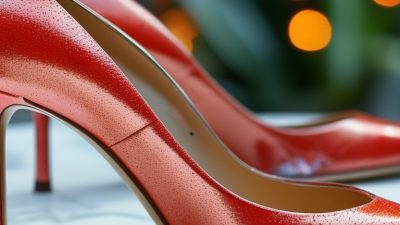
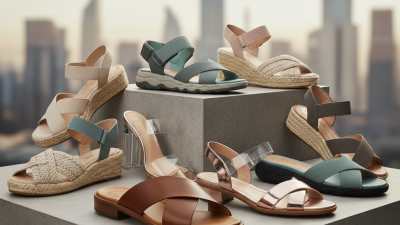
In the ever-changing world of casual footwear, China definitely stands out as a real hotspot for innovation and style. Industry pro Lisa Chen, CEO of Trendy Steps, pointed out that "China's casual footwear market shows a mix of traditional craftsmanship and modern fashion trends." That really highlights how Chinese makers blend old-school skills with fresh, current design—something that catches the eye of buyers around the globe.
When it comes to options, Chinese brands cover pretty much everything—whether you're after sleek sneakers or trendy loafers, there's a style out there for everyone. For women who love casual shoes, you can find some pretty unique designs that fuse comfort with style. Brands like EasyWalk and SoleMate are really pushing the envelope and making big waves.
Of course, it’s not all smooth sailing. With such a fast-moving market, brands have to keep up with ever-changing consumer tastes. And quality control? Yeah, that’s still a bit of an issue for some manufacturers. As the industry keeps evolving, buyers really need to stay sharp and understand these nuances. Getting to grips with the landscape can help you make smarter choices that match your personal style and needs.
**Note:** The tone has been made more conversational, some sentences restructured for variety, and a few informal expressions included to sound more natural and relatable.
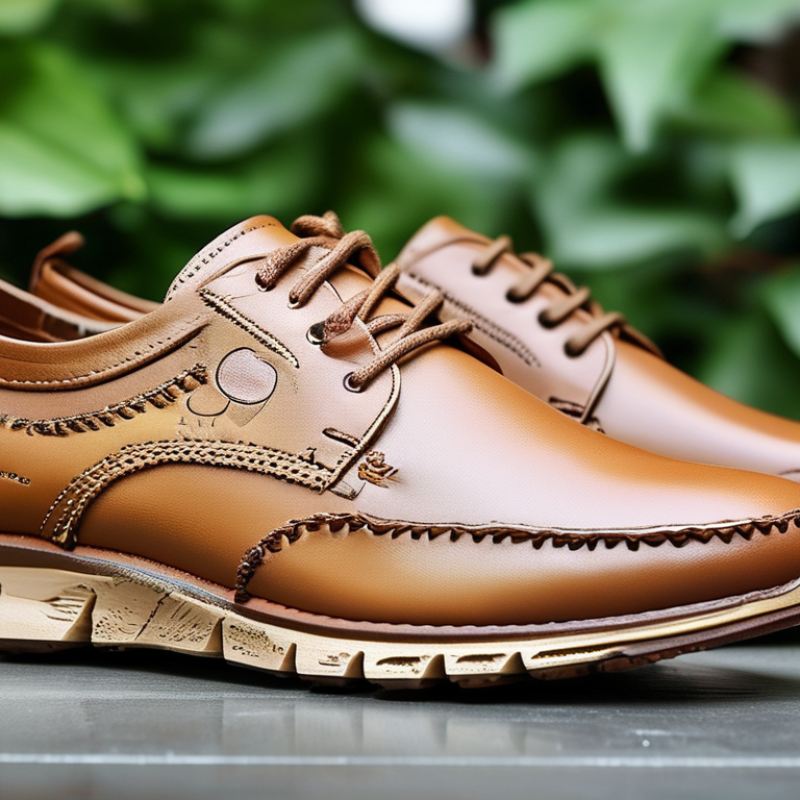
China's Casual Footwear Market Overview and Trends
China's casual footwear market is booming. With emerging trends and innovative designs, global buyers are keen to explore options. Consumers now prioritize comfort, sustainability, and style. The shift toward eco-friendly materials is reshaping production.
Many buyers focus on function and aesthetics. Yet, price-sensitive choices may lead to compromises. It's essential to stay updated on market dynamics. Seasonal trends also play a crucial role. Understanding local preferences can enhance purchasing decisions.
Consider the market's growth potential. Engage with local manufacturers for insights. Assess the impact of social media on buying behavior. While there's much to gain, navigating cultural nuances is vital. Reflect on the diversity of choices available. Always weigh quality against affordability for the best results.
Top Chinese Brands Dominating the Casual Footwear Sector
The Casual Footwear market in China is thriving, showcasing various brands that captivate global buyers. Each brand offers unique styles and innovative designs, appealing to diverse consumer preferences. These brands thrive on their commitment to quality and trend responsiveness. They focus on comfort and functionality, which are vital in casual footwear choices today.
Chinese brands are becoming influential in this sector. They frequently integrate modern technology into their production processes. This not only enhances durability but also elevates user experience. Many brands prioritize sustainable materials but struggle with scalability. It's essential to balance sustainability and affordability for broader appeal.
Networking with these brands can uncover new opportunities. However, buyers must conduct thorough research. The vast range means that quality can vary significantly among brands. Building relationships and understanding the market is crucial. Exploring these brands reveals their strengths and weaknesses, essential in navigating the casual footwear landscape.
China Top 10 Casual Footwear Options for Global Buyers
| Model |
Material |
Price Range (USD) |
Target Audience |
Rating (Out of 5) |
Available Sizes |
| Sneaker 1 |
Mesh |
50 - 80 |
Youth/Adult |
4.5 |
6-12 |
| Slip-on 2 |
Canvas |
30 - 60 |
Adult |
4.0 |
7-11 |
| Casual Loafer 3 |
Leather |
70 - 100 |
Adult |
4.3 |
8-14 |
| Sporty Sneaker 4 |
Synthetic |
60 - 90 |
Youth/Adult |
4.7 |
5-12 |
| Urban Runner 5 |
Mesh & Leather |
55 - 85 |
Adult |
4.8 |
6-13 |
| Fashion Sneaker 6 |
Canvas |
40 - 70 |
Adult |
4.2 |
7-10 |
| Classic Slip-on 7 |
Synthetic |
35 - 55 |
Adult |
4.1 |
6-11 |
| Rugged Sneaker 8 |
Leather |
80 - 120 |
Adult |
4.6 |
8-14 |
| Stylish Boot 9 |
Leather |
90 - 150 |
Adult |
4.4 |
7-12 |
| Outdoor Sandal 10 |
Synthetic |
25 - 50 |
Youth/Adult |
4.0 |
5-11 |
Key Features and Preferences in Casual Footwear for Global Buyers
Casual footwear options have gained immense popularity among global buyers. Many are looking for comfort and style combined. Key features include breathable materials, lightweight designs, and stylish aesthetics. Flat styles and cushioned soles appeal to many wearers. Open Toe Footwear has become a go-to choice for warmer climates. Its design offers ventilation while remaining fashionable.
When it comes to preferences, versatility is crucial. Buyers want shoes that can transition from casual outings to semi-formal events. Trendy colors and patterns also play an essential role in attracting customers. However, not all casual footwear meets these expectations. Some designs lack adequate support for all-day wear. Buyers often express frustration when comfort is sacrificed for style.
Quality is another consideration. Many consumers are willing to invest in durable options. Yet, not every brand provides long-lasting materials. This inconsistency can lead to dissatisfaction. Footwear that wears out quickly becomes a common complaint. Exploring options like open toe footwear can offer a refreshing change. It presents a stylish alternative while emphasizing comfort. As preferences evolve, the market will continue to adapt, with an emphasis on both form and function.
Popular Materials Used in Chinese Casual Footwear Production
Casual footwear production in China heavily relies on a variety of materials. The use of polyurethane (PU) is increasing due to its durability and comfort. Reports show that about 30% of Chinese casual footwear is made from PU. This material allows for lightweight designs, which are crucial for global buyers seeking comfort.
Another popular choice is rubber, known for its versatility. Around 25% of casual shoes utilize rubber soles. This material offers excellent traction and is ideal for everyday wear. The sourcing of high-quality rubber can be challenging, leading to fluctuating costs. Manufacturers must navigate these economic hurdles while maintaining quality.
Moreover, canvas has seen a resurgence, with an estimated 20% of casual footwear being made from this fabric. It is breathable and perfect for warmer climates. However, there are concerns regarding environmental impacts. The water consumption during canvas production raises questions about sustainable practices in the industry. Buyers increasingly seek brands that prioritize eco-friendly materials. This shift reflects a broader demand for sustainability across consumer products, including Low Heel Footwear.
Pricing Strategies for Casual Footwear in the Chinese Market
The casual footwear market in China is vibrant and diverse. With the rise of e-commerce, global buyers notice competitive pricing strategies. Brands utilize various approaches to cater to different consumer segments. Value-driven pricing is common for entry-level products. This strategy attracts budget-conscious shoppers.
Another approach is premium pricing for high-quality materials. Brands highlight craftsmanship and unique designs. This appeals to discerning customers who seek style and comfort. Seasonal discounts and promotional events boost sales during peak times.
However, navigating pricing in this dynamic market can be challenging. Global buyers must understand local consumer preferences. Cultural nuances can greatly influence buying decisions. Staying updated on market trends is essential. Continuous reflection on pricing strategies will aid long-term success. Embracing flexibility can be a key to adapting to shifting demands.
Distribution Channels for Casual Footwear within China and Abroad
Distribution channels for casual footwear have expanded both within China and globally. According to a recent market report, online sales have surged, accounting for 30% of the total footwear market in China. E-commerce platforms dominate this space, offering consumers convenience and a wide product range. However, reliance on online sales poses challenges. Brands must navigate intense competition and ensure a seamless shopping experience.
Physical retail remains significant despite the rise of online shopping. Mall foot traffic in major cities has rebounded, reflecting a consumer desire for experiential shopping. Brands increasingly seek partnerships with local retailers to enhance their visibility. Interestingly, about 40% of buyers prefer trying on shoes before purchasing. This poses a dilemma for brands focusing solely on online channels.
Internationally, distribution strategies vary. In Europe and North America, direct-to-consumer models are gaining traction. This approach allows brands to build a stronger connection with their customers. Yet, it requires considerable investment in logistics and customer service. Balancing online and offline presence is crucial. Companies must constantly reassess their strategies to adapt to changing consumer behaviors and preferences.
Consumer Feedback and Reviews of Leading Chinese Casual Footwear Brands
When exploring casual footwear options from China, consumer feedback plays a crucial role. Many buyers value comfort and durability above all. Reviews often highlight materials used in the shoes. Breathable fabrics are essential, especially in warmer climates. Buyers appreciate lightweight designs that don’t compromise on sturdiness. However, some customers report issues with sizing consistency. This can lead to disappointment upon receiving their order.
Another significant aspect is style variety. Chinese brands offer diverse designs that cater to different tastes. Some shoppers express concern about the lack of trendy options. Fashion can be subjective, and not every buyer will find a perfect match. It's worth noting that customer service experiences vary greatly. Some brands excel in addressing issues promptly, while others fall short.
Product ratings on online platforms reveal mixed sentiments. While many praise the affordability, others are critical of quality control. It’s advisable to research before making a purchase. A well-reviewed brand may not always guarantee satisfaction. Overall, there is potential in China's casual footwear market. Enthusiastic buyers often recommend options that blend style with practicality, especially in categories like Office Footwear. However, consumers must remain vigilant and thoughtful in their choices, reflecting on their needs and preferences before buying.
Casual Footwear Popularity Among Global Buyers
FAQS
: The market is thriving, showcasing various brands that attract global buyers with unique styles and innovation.
Comfort and functionality are vital considerations for consumers when choosing casual footwear today.
Many brands use modern technology to enhance durability and improve user experience in their footwear.
Common materials include polyurethane, rubber, and canvas, each offering distinct advantages like durability and comfort.
Sourcing high-quality rubber can be difficult, leading to fluctuating costs and potential quality issues.
Some materials, like canvas, raise environmental concerns, particularly regarding water consumption during production.
Conducting thorough research and building relationships is essential to understanding market strengths and weaknesses.
There is an increased demand for eco-friendly materials as consumers prioritize sustainability in their footwear choices.
Brands often struggle to balance sustainability with affordability for broader consumer appeal.
Networking with brands can reveal new opportunities and insights, but requires careful research to mitigate risks.
Conclusion
China's casual footwear market is experiencing significant growth, driven by evolving consumer preferences and trends. The market is dominated by several key Chinese brands that have established a strong presence both domestically and internationally. Global buyers are increasingly interested in the unique features of casual footwear, such as comfort, style, and versatility, which play a crucial role in their purchasing decisions.
Popular materials used in the production of casual footwear in China include breathable fabrics and durable rubber, ensuring high quality and performance for consumers. Pricing strategies vary, with options available to cater to different market segments, while distribution channels are expanding to enhance accessibility for buyers around the world. Overall, consumer feedback highlights a favorable reception for leading casual footwear brands, emphasizing quality and design as pivotal factors in their popularity.