Picking the right heel height for your wedding shoes isn't just about style — it really impacts how you’ll feel throughout the day. Think about it: your ceremony might last an hour, but then there are photos, dinner, dancing, and hours spent on hard floors. Every step your feet take matters more than you might realize.
According to the American Podiatric Medical Association, a lot of women deal with pain from wearing high heels. A survey they did back in 2014 found that about 71% of women had felt discomfort from high heels at some point. The American Osteopathic Association has mentioned similar issues — like toe pain, arch discomfort, and even lower back aches. Now, these aren’t specific to weddings, but they’re good warnings to keep in mind. Just because heels are tall doesn’t automatically mean they’re comfy for everyone.
A pretty common starting point for many brides is around 2 to 3 inches. Wearing a lower heel can ease some of that pressure pushing forward, and if you’re planning to walk on grass, stones, or uneven ground, a sturdy block heel might help you stay balanced. But here’s the thing: your foot width, arch shape, shoe materials, and even your past experiences with heels are *way* more important than just the height. One bride might find a 3-inch heel totally manageable, while another might find it exhausting. That’s the tricky part — there’s no one-size-fits-all answer.
My advice? Try your shoes on indoors a few weeks before the wedding, ideally with the socks or hosiery you'll wear on the day. Walk around, stand for a bit, turn, and even climb stairs. Pay attention to spots where your toes feel squeezed or if there’s pressure right under the ball of your foot. And honestly, getting a professional fitter or podiatrist to check the fit is usually more reliable than just guessing online. This whole guide is about understanding the real deal — the evidence, the testing, and what design choices really matter when it comes to the best heel height for wedding shoes. Sure, comfort might not be the thing that stands out in wedding photos, but trust me, it makes all the difference for how smoothly your day goes.
What Is the Best Heel Height for Wedding Shoes?
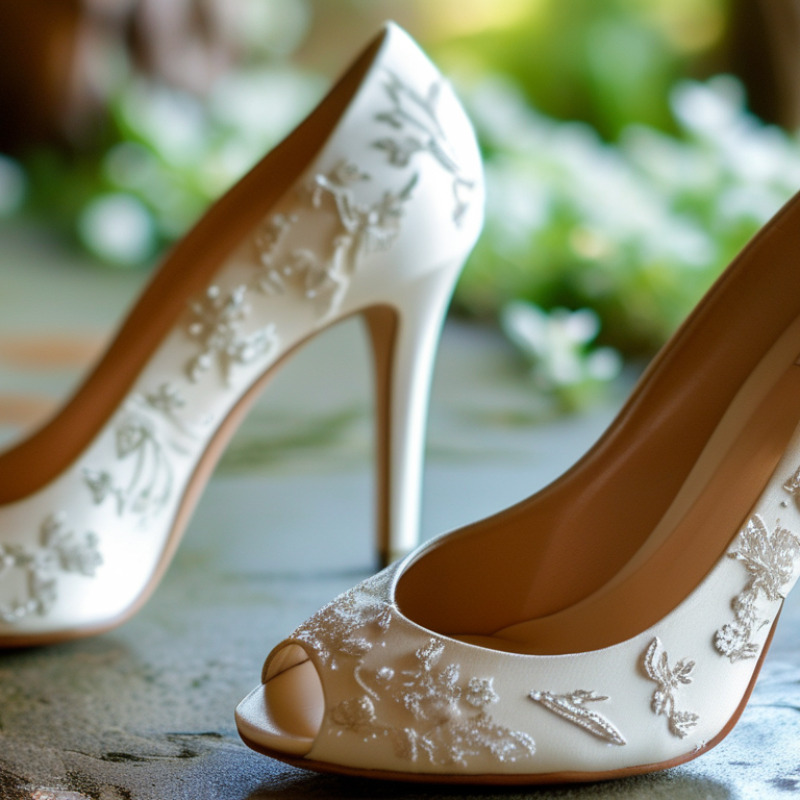
The best heel height for wedding shoes is usually between two and three inches. This range offers modest lift without placing excessive pressure on the toes and forefoot. However, comfort depends on your foot shape, balance, shoe structure, and wedding schedule. A lower heel may suit outdoor ceremonies, uneven paths, or long receptions. Higher heels can create elegant posture, but they often increase calf tension and ankle instability. Comfort comes first.
Tips: Wear the shoes indoors for several short sessions. Test them on stairs, hard floors, and carpet. Check whether your toes can move freely. Add supportive insoles only if they do not make the fit tight. Bring blister protection, but do not rely on it to fix poor sizing.
Your feet decide. Measure both feet late in the day, when mild swelling is more likely. A professional shoe fitter or podiatrist can identify pressure points and suggest a safer height. Avoid choosing heels only from photographs. A three-inch heel may feel stable in one design and painful in another. I once underestimated how much standing changes comfort; even a beautiful pair can become distracting after several hours. Consider your ceremony length, dancing plans, and walking surface. Thin heels may sink into grass, while block heels usually provide steadier support. Leave enough time for adjustments, because the “perfect” height may still need reconsideration.
Why Is the Best Heel Height for Wedding Shoes?
Heel height affects both comfort and stability throughout your wedding day. A higher heel shifts body weight toward the toes and increases pressure under the forefoot. It can also shorten your natural stride. Low and medium heels usually support steadier walking, especially on uneven paths, stairs, or polished floors. Stability matters more.
In my experience, a heel between 2 and 5 centimeters often offers a practical balance. However, height alone does not determine comfort. A secure ankle strap, cushioned insole, and broad heel can reduce wobbling. The shoe should hold your heel without squeezing your toes. Try walking for at least ten minutes before choosing. Pay attention to burning, numbness, or sliding. These small warnings are easy to ignore, yet they may become painful after hours of standing. Comfortable Wedding Shoes Low Heel options can work beautifully when they match your foot shape and ceremony setting.
Tips: Test the shoes with your wedding-day socks or stockings. Walk on carpet, tile, and a hard surface. Bend your knees slightly while walking. Carry a simple backup pair if your feet become tired. I once underestimated floor changes, and that mistake changed my view of “perfect” wedding shoes. Comfort is not always elegant at first glance, but dependable support photographs better than visible discomfort.
The best heel height for wedding shoes depends less on fashion than on the venue. A polished ballroom supports slim heels and steady movement. A garden ceremony changes the calculation. Grass can catch narrow heels, while gravel makes every step uncertain. For uneven outdoor ground, Wedding Shoes Small Block Heel offers better balance and practical comfort. A low block heel, around 3–5 centimetres, often feels secure without looking too casual. Beach weddings need an even lower option, or flat shoes, because sand absorbs each step. I once underestimated this detail and spent the reception walking carefully. It was not elegant.
Tips: Walk in the shoes for several hours before the wedding. Test them on flooring similar to your venue. Bend your knees and climb a few steps. If your toes feel compressed, the heel is already too high. Carry a quiet backup pair for photographs, dancing, or long travel between locations. Avoid choosing height from a mirror alone. Your posture, arch support, and confidence matter more than an extra centimetre.
For a city ceremony, a medium heel can suit hard floors and long corridors. For historic venues, check stairs, thresholds, and slippery stone before deciding. Indoor comfort still matters. A 5–7 centimetre heel may work when seating is nearby, but practice remains essential. Wedding days are unpredictable, and feet swell after hours of standing. I would rather lose a little height than lose natural movement. That choice can feel less glamorous, yet it usually photographs better.
| Wedding Venue | Typical Walking Surface | Recommended Heel Height | Best Heel Shape | Stability Level | Why This Height Works | Practical Alternative |
|---|---|---|---|---|---|---|
| Indoor Ballroom | Flat, polished wood, stone, or carpet | 5–8 cm (2–3 in) | Block heel or moderate stiletto | High to moderate | A smooth, level floor allows more flexibility in height while still providing enough support for standing, walking, and dancing. | A cushioned low heel of 3–5 cm (1–2 in) for longer receptions |
| Church or Formal Ceremony Hall | Hard flooring, aisles, steps, and sometimes uneven thresholds | 4–7 cm (1.5–2.75 in) | Block heel or stable kitten heel | High | A moderate heel offers a formal appearance without making stairs, aisles, or prolonged standing unnecessarily difficult. | A low heel with a wide, non-slip sole |
| Garden Wedding | Grass, soil, paving stones, and mixed outdoor surfaces | 0–5 cm (0–2 in) | Wedge, block heel, or flat | Very high | Lower, wider heels are less likely to sink into grass and provide better balance on changing ground conditions. | Decorative flat shoes or heel protectors designed for grass |
| Beach Wedding | Loose sand, compact sand, and boardwalks | 0–3 cm (0–1.25 in) | Flat sandal, espadrille wedge, or low block heel | Very high | Flat or broad soles reduce sinking and make walking on sand more natural and secure. | Elegant flat sandals or barefoot-style footwear for the ceremony |
| Barn or Rustic Venue | Wooden floors, gravel, packed earth, and uneven outdoor paths | 3–6 cm (1.25–2.5 in) | Block heel, wedge, or low stacked heel | High | A wider heel distributes weight more effectively and handles transitions between indoor and outdoor areas better than a narrow heel. | An ankle-strap low heel for additional foot security |
| Courtyard or Historic Stone Venue | Cobblestones, stone slabs, and uneven joints | 2–5 cm (0.75–2 in) | Block heel or wedge | High | A shorter, stable heel lowers the risk of catching between stones and helps maintain balance on irregular surfaces. | Flat shoes with a firm, flexible sole |
| Rooftop Wedding | Concrete, decking, smooth tiles, and occasional steps | 4–7 cm (1.5–2.75 in) | Block heel or low-to-medium stiletto | Moderate to high | A medium heel can create a polished silhouette on a level surface while remaining manageable during movement and photographs. | Low platform shoes with secure straps |
| Vineyard Wedding | Grass, gravel, soil, and sloping paths | 0–5 cm (0–2 in) | Wedge, block heel, or flat | High | Lower heels improve stability on slopes and reduce pressure when walking across gravel or between ceremony areas. | Wedge sandals with ankle support |
| Museum or Gallery | Hard floors, polished stone, and long walking distances | 3–6 cm (1.25–2.5 in) | Kitten heel, low block heel, or dressy flat | High | A moderate or low heel balances formal style with comfort when guests move between rooms and stand for extended periods. | Pointed-toe flats with padded insoles |
| Reception With Extensive Dancing | Wood, sprung flooring, or smooth event flooring | 3–6 cm (1.25–2.5 in) | Low block heel or supportive wedge | High | A lower heel reduces calf and forefoot strain, making it easier to remain comfortable through several hours of dancing. | A coordinated pair of cushioned flats for the later reception |
The best heel height should support your dress, posture, and actual wedding schedule. A floor-length gown usually needs a heel that keeps the hem just above the ground. Bring your final shoes to the last fitting. Even a small height change can alter the dress’s drape and your walking rhythm. Block heels suit outdoor ceremonies, while slim heels create a sharper line indoors. Kitten Heel Wedding Shoes offer a polished shape without demanding constant balance.
Your personal style matters just as much. Choose a two-inch heel if you want elegance with easier movement. Consider three inches only after testing stairs, uneven flooring, and several hours of standing. The American Podiatric Medical Association has reported that 71% of women experience foot pain from high heels. That figure deserves attention, especially during a long reception. A 2022 biomechanical review also linked higher heels with greater forefoot pressure. Still, comfort is individual. My practical mistake would be trusting a fitting-room mirror too quickly.
Tips: Wear the shoes for 30 minutes on a clean indoor floor. Check whether your toes grip the insole. Add cushioned inserts only after confirming the shoe still fits securely. Walk in your ceremony shoes before the final alteration. Keep a lower backup pair nearby, because plans—and feet—can change.
Low, medium, and high heels create very different wedding-day experiences. Low heels, including Bridal Wedding Shoes Low Heel styles, usually provide steadier footing and less pressure on the forefoot. They suit outdoor ceremonies, long receptions, and brides who rarely wear heels. Comfort matters. However, low shoes can still cause rubbing if the toe box feels narrow.
Medium heels often balance elegance and support. A heel between five and seven centimeters can lengthen the leg without dramatically changing your walking pattern. Many brides find this height practical for photographs, dancing, and standing through the ceremony. Test them. Walk on carpet, firm flooring, and a gentle slope before deciding. A slightly cushioned insole may help, but it cannot fix an unstable fit.
High heels create a striking silhouette, yet they shift more body weight toward the toes. This may increase pressure, ankle fatigue, and the risk of stumbling after several hours. They work better when the bride already walks confidently in similar shoes and has a shorter wearing schedule. I would not choose height from photographs alone. That is an easy mistake. Your venue matters too; grass, gravel, and polished floors expose weaknesses quickly. If you have recurring foot or ankle pain, a qualified podiatrist can assess the fit before the wedding. Even experienced shoe wearers sometimes underestimate how tiring a high heel feels after six hours.
The best heel height is the one you can control after several hours, not the one that looks tallest in photographs. The American Podiatric Medical Association’s 2014 Women’s Foot Health and Shoe Survey reported that 71% of women experience shoe-related foot pain. Wedding-day pressure can make that problem worse.
Test your shoes indoors for 30 minutes at a time. Use the same stockings, inserts, and heel height planned for the ceremony. Walk across hard floors, climb stairs, and practise slow turns. Try them again in the afternoon, when feet often swell. Check whether your toes touch the front or your heel slips during movement. A thumb’s width of space is not always enough; your foot shape matters.
Stand still. Then dance.
Professional podiatry guidance commonly recommends a broad, stable heel and enough room for natural toe movement. Measure both feet, because they may differ slightly. Mark any rubbing point after each trial, even if the discomfort seems minor. I once ignored a small seam near my little toe; after two hours, it became the only thing I could feel. That mistake is easy to repeat.
Wear the shoes briefly over several days, rather than forcing one long session. Keep blister protection, spare hosiery, and simple backup footwear nearby. A 2023 Royal College of Podiatry public guidance also stresses gradual preparation and supportive footwear for prolonged standing. The details matter more than the wedding-day promise that the shoes will “soften.”
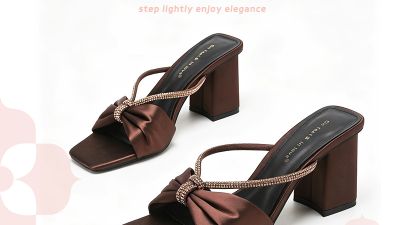
A well-chosen mule can bring together comfort, polish, and effortless femininity, and the On Feet & In Love Brown Satin Rhinestone Bow Block Heel Mules do exactly that. Their dark brown satin upper creates a warm, refined foundation, while the oversized folded bow and rhinestone straps add graceful sparkle without overwhelming the outfit. According to Grand View Research, the global footwear market was valued at approximately $488 billion in 2023, reflecting continued demand for shoes that combine visual appeal with everyday practicality.
The square-toe silhouette gives the foot a modern, spacious shape, while the moderate matte block heel offers elegant lift with improved stability compared with narrow heels. Thick padded insoles help reduce pressure during long commutes, shopping trips, or standing occasions, and the quiet rubber outsole avoids the sharp tapping often associated with dress shoes. These details make the mules suitable for autumn workwear, casual dates, dinner plans, and semi-formal gatherings.
Brown satin also works beautifully with seasonal wardrobes. Pair these mules with tailored trousers and a soft knit for an understated office look, or wear them with a midi dress to highlight the rhinestone detailing. The stable heel and easy slide-on construction support the growing consumer preference for versatile comfort; a recent footwear consumer study by Circana similarly identifies comfort and wearability as major purchase considerations. With their balanced mix of decoration and function, these mules can transition smoothly from daytime styling to evening occasions.
A heel between 2 and 5 centimeters often balances comfort and stability. Lower and medium heels usually support steadier walking. Height alone is not enough. Foot shape and venue matter too.
High heels shift body weight toward the toes. They increase pressure under the forefoot and may shorten your stride. After several hours, ankle fatigue can appear. The mirror may look perfect. Your feet may disagree.
Low heels often reduce forefoot pressure and support steadier movement. They work well for outdoor ceremonies and long receptions. However, a narrow toe box can still cause rubbing. Comfortable does not mean automatically perfect.
Medium heels can lengthen the leg without greatly changing your walking pattern. They may suit photographs, dancing, and extended standing. Test them on carpet, tile, and a gentle slope. A stable fit matters more than a precise number.
Bring your final shoes to the last dress fitting. A small height change can alter the hem and dress drape. Floor-length gowns should stay slightly above the ground. Check the hem while walking, not only while standing.
An ankle strap can help hold the foot securely. A cushioned insole may reduce pressure. A broad heel usually feels steadier than a slim heel. The shoe should hold your heel without squeezing your toes.
Wear them for at least ten minutes during an early test. Later, try thirty minutes on a clean indoor floor. Walk across carpet, tile, and hard surfaces. Bend your knees slightly while walking. Notice burning, numbness, rubbing, or sliding.
Yes, a lower backup pair can help when your feet become tired. Keep them nearby during the reception. Feet can change after hours of standing. I once underestimated floor changes. That mistake changed my idea of “perfect” shoes.
Finding the Best Heel Height For Wedding shoes depends on comfort, stability, venue, dress length, and personal style. Low heels or flats offer dependable comfort for long ceremonies, outdoor settings, and receptions with plenty of dancing. Medium heels provide a balanced combination of elegance, support, and wearability, while high heels create a more dramatic silhouette but may require greater confidence and preparation. Consider the walking surface, weather, ceremony length, and whether you will move between indoor and outdoor locations before making your choice.
Your shoes should also complement your dress without making the hem difficult to manage. After selecting a heel height, test the shoes at home by walking, standing, and practicing stairs or dance steps. Wear them briefly on several occasions to help soften the fit, and prepare comfort items such as cushions or a backup pair. The ideal choice is not simply the highest or most fashionable heel, but the height that helps you feel secure, comfortable, and confident throughout the entire celebration.