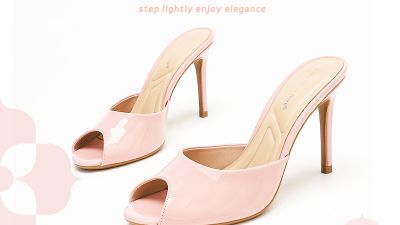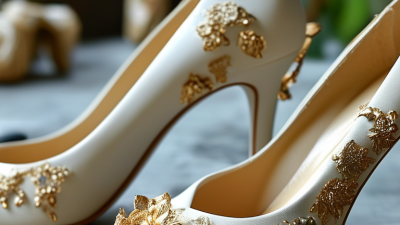



Choosing a heel tip material starts with walking conditions, not appearance. Rubber offers strong grip on wet tile and concrete, while thermoplastic polyurethane, or TPU, balances abrasion resistance with moderate flexibility. For frequent commuters, a dense rubber or TPU tip usually outlasts soft leather. Leather looks refined, but water, grit, and repeated pavement impact can quickly roughen its edge.
World Footwear’s 2024 Yearbook reported 23.9 billion pairs of footwear were produced globally in 2023. That scale increases pressure for longer product life and easier repair. Heel tips should therefore be replaceable, firmly bonded, and easy to inspect. SATRA testing methods evaluate abrasion, flexing, and slip behavior, but results still depend on floor texture and walking style. Lab data helps. It does not perfectly predict a rainy sidewalk.
Check the tip every few weeks. A flattened surface, exposed fastener, or clicking sound signals replacement. Wipe TPU and rubber with mild soap, then dry them away from direct heat. Avoid soaking leather tips. High Heel Loafers used on gravel may need harder compounds, while office shoes can use quieter, softer rubber. I once favored maximum hardness, but that choice felt harsh on polished floors. Durability is useful only when traction and comfort remain acceptable.