Leave Your Message
0%

Deciding between leather and suede heels isn’t exactly a straightforward fashion choice. It’s more about how they fit into your lifestyle—consider comfort, how much effort each needs to stay in good shape, how long they last, and making responsible buying decisions too. Basically, that’s the real debate behind Leather versus Suede Heels in 2026.

Recent industry insights give some good background, though. For example, Grand View Research keeps pointing out that footwear is a huge player in the global consumer market. Their reports on leather goods show a steady demand for premium materials and longer-lasting products. And the Textile Exchange’s 2024 Market Report emphasizes why we should pay closer attention to where our materials come from—since both leather and suede can raise environmental questions, depending on how they’re tanned, finished, sourced, and produced.

Leather tends to handle light rain, daily commuting, and polishing better. The surface might show some creases over time, but honestly, that can kinda add character. On the flip side, suede feels super soft and has a richer look, especially when you’re in warm, cozy indoor lighting. But one small splash can leave a darker stain that’s tricky to get rid of. Plus, suede heels need regular brushing, protective sprays, and careful storage.

Lucy Siegle, a well-known writer on sustainable fashion, makes a really good point: “The most sustainable item is the one you already own.” Her idea basically challenges us to resist the urge to buy another pair just because trends shift.

And yeah, fit still beats everything else. An elegant narrow leather heel might hurt your feet pretty fast, while a well-shaped suede heel could feel much gentler—sometimes even if they’re built pretty similarly. Small details also matter tons—things like arch support, how stable the heel feels, the lining quality, and how much room you have in the toe box.

Honestly, there’s no one-size-fits-all answer. Leather might be your go-to if you wear heels all the time, while suede can be perfect for special nights out. But let’s be real—life isn’t always that simple. Your local climate, how you walk, and who can fix or maintain your shoes all influence what’s best. This guide tries to break down both materials with expert tips, industry facts, and real-world wear experiences—so you can pick more confidently and avoid buyers’ remorse.

Leather vs Suede Heels Which Is Best in 2026?

What Defines Leather and Suede Heels?

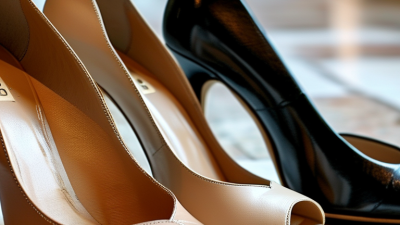
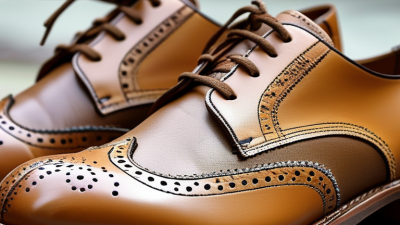
Leather heels use animal hide with a relatively smooth, compact outer surface. The finish may be polished, textured, or lightly corrected. This structure gives leather a firm feel and often a clearer shape around the toe and heel. With regular wear, leather can soften and develop small creases. That change is normal, not always a defect.

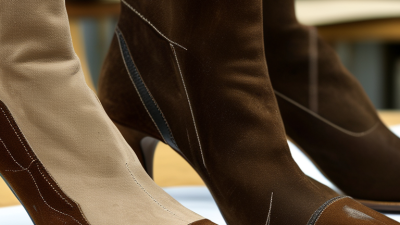
Suede is made from the inner side of hide, then brushed to create its familiar nap. Run your finger across it, and the color may shift slightly. This soft surface feels warm and flexible against the foot. However, suede absorbs moisture and oils more readily than smooth leather. A damp sidewalk can leave a visible mark. Suede Sandals Heels need careful storage and a suitable protective spray.

In fitting work, I notice leather usually offers more structured support at first. Suede can feel gentler during long indoor wear. Neither material is automatically better. Stitching, lining, heel balance, and the quality of the hide matter just as much. I once assumed a softer suede pair would break in faster, but the narrow toe still caused pressure. That was a useful correction.

Check the material under bright light. Smooth leather should not look heavily plastic or unevenly coated. Suede should show a consistent nap without bald patches. Press the heel counter gently; it should resist collapse. These small checks reveal more than appearance alone.

How Leather and Suede Heels Differ in Texture and Appearance

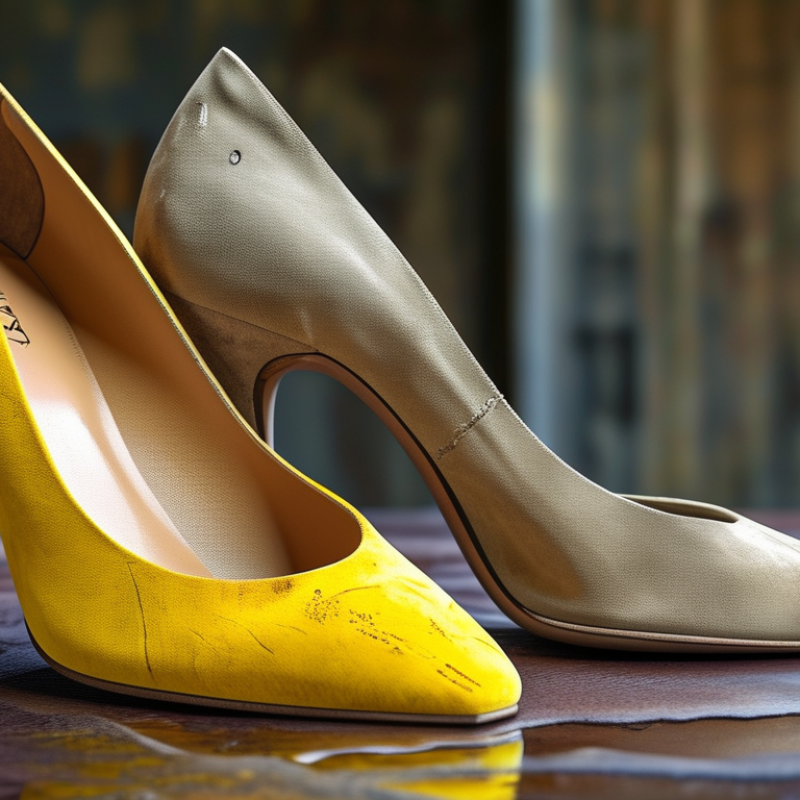
Leather heels usually present a smooth, compact surface with a clearer visual structure. Under direct light, polished leather can reflect sharply, making the heel look cleaner and more formal. Its surface often feels cool and firm when touched. Fine grain may add character, while small scratches can remain visible. That is not always bad. They can show real use.

Suede heels create a softer impression. Their short, raised fibers absorb light instead of reflecting it. This gives the color a muted, velvety depth. When you brush the nap in different directions, the shade may shift slightly. That movement makes suede look warm and dimensional. However, pressure can flatten the fibers around the toe box. I once underestimated that change. The heel looked uneven after several hours of walking.

Material specialists usually check the nap direction, fiber density, and surface consistency before judging suede quality. For a structured office outfit, leather may appear sharper and more controlled. Suede can feel more relaxed, especially with knitwear or textured fabrics. Long Suede Boots follow the same visual principle, adding softness through their extended surface. Leather generally handles light moisture better, but neither material should be treated carelessly. My own preference changes with lighting, clothing, and weather. A mirror indoors does not reveal every texture problem.

Which Material Offers Better Comfort and Fit?

Leather vs Suede Heels Which Is Best in 2026?

Comfort depends more on fit than appearance. The American Podiatric Medical Association reported that 77% of women have experienced foot pain. It also found that many continued wearing uncomfortable shoes. That figure deserves attention when choosing heels.

Leather usually feels firmer at first. Its smooth surface offers stable support around the heel and arch. Quality leather may soften and mold slightly to your foot. However, a rigid toe box can create pressure across the forefoot. Suede feels softer and more flexible immediately. Its textured surface can reduce slipping inside the shoe. This may help with fit, especially for narrow heels. Yet suede can compress over time, reducing support. Neither material guarantees comfort. I have found that a beautifully soft upper can still hide poor sizing.

Tips: Measure both feet late in the day, when swelling is more likely. Leave about 10–12 millimeters beyond your longest toe. Check that your heel stays secure when walking. Choose suede for gentle flexibility and leather for firmer structure. Avoid judging comfort after only one minute. Walk on a clean indoor surface for at least ten minutes. SATRA footwear-testing guidance treats heel security, toe clearance, and flex-point alignment as key fitting checks. Small differences matter. A half-size change can sometimes improve comfort more than changing materials.

Leather vs Suede Heels: Which Is Best in 2026?

This comparison uses a 1–10 material-performance scale based on commonly recognized characteristics of finished leather and suede. Leather generally offers stronger durability, structure, and moisture resistance, while suede is typically softer, more flexible, and more breathable.

Higher scores indicate a stronger advantage for everyday heel comfort and fit. Actual performance can vary with leather quality, lining, heel construction, foot shape, and weather conditions.

Comparing Durability, Weather Resistance, and Daily Wear

Leather and suede heels behave differently under daily pressure. Full-grain leather usually handles scuffs, repeated flexing, and light moisture better. Its tighter surface can be wiped clean after a wet commute. Suede has a softer nap, so pavement dust and salt can settle between its fibers. It feels luxurious, but it needs more careful brushing. Small scratches may disappear on leather. They can become permanent marks on suede.

Weather resistance is not absolute. SATRA footwear-testing guidance separates flexing, abrasion, and water-penetration tests, because one result cannot predict every condition. A water-resistant finish can delay staining, but it will not make suede waterproof. The 2024 World Footwear Yearbook recorded 22.4 billion pairs produced globally in 2023, showing the scale of footwear use and replacement. Yet broad market data does not measure how one heel survives rain, heat, or office floors. That gap matters.

For frequent commuting, leather heels are usually the safer choice. Dry them naturally, condition the upper, and avoid placing them beside a radiator. Suede Thigh High Boots can work beautifully in dry, cool weather, especially with careful storage and a protective spray. The nap can flatten around the ankle, though. I have found that rotating pairs helps more than expected. Still, no material wins every day. A leather heel may crease badly, while suede may look better after gentle brushing. Personal walking habits remain an overlooked variable.

How to Care for Leather and Suede Heels in 2026

Leather vs Suede Heels Which Is Best in 2026?

Leather and suede heels need different care routines. Leather tolerates light moisture, but standing water can stain or crack it. Wipe leather heels with a soft, slightly damp cloth after wearing them. Let them dry naturally, away from radiators and direct sunlight. Apply a small amount of leather conditioner every few weeks. Too much conditioner can make the surface greasy. Use shoe trees or clean tissue to preserve the shape overnight.

Tips: Brush suede only when it is completely dry. Use a suede brush with gentle, one-directional strokes. For fresh water marks, blot immediately with a dry cloth. Never rub hard. A suede protector can add resistance, but test it on a hidden area first. The same routine suits Suede Ankle Boots Women, especially around the toe and heel edges.

I once brushed damp suede too quickly, and the nap became uneven. It looked worse before it improved. Patience matters. For dried mud, let it harden, then loosen it carefully with a brush. Leather scuffs may respond to a matching cream, but color differences are possible. I still check care instructions before treating expensive heels. Materials vary, and a confident guess can cause permanent damage. Store both types in breathable bags, not sealed plastic. Rotate pairs when possible.

Leather vs Suede Heels Which Is Best in 2026? - How to Care for Leather and Suede Heels in 2026
Comparison Dimension Leather Heels Suede Heels Best Choice in 2026
Material Structure Usually made from the smoother outer surface of animal hide. The finish can be polished, corrected, or lightly textured. Made from the inner split of hide with a brushed, napped surface that feels soft and appears matte. Depends on the desired appearance: leather for a polished finish; suede for a soft, textured finish.
Appearance Creates a refined, structured look and commonly develops a natural patina with use. Offers a richer, velvety appearance but can show changes in nap direction, water marks, and pressure spots more easily. Leather for maximum versatility; suede for texture and a softer visual effect.
Comfort and Break-In Firm leather may need a break-in period, but quality leather can gradually conform to the foot. Often feels flexible and soft at first, although comfort still depends on the shoe shape, heel height, and cushioning. Suede may feel softer initially; neither material guarantees comfort without a suitable fit.
Breathability Natural leather can allow some moisture vapor to escape, especially when it is not heavily coated. Suede is also a form of leather and can provide similar breathability, but dense coatings or synthetic backing may reduce it. Generally comparable; construction and lining often matter more than the surface finish.
Durability Typically resists everyday abrasion well and is easier to condition, polish, and repair cosmetically. Can be durable, but its raised nap is more vulnerable to scuffing, crushing, oil, and moisture stains. Leather for frequent wear and easier maintenance.
Water Resistance Can tolerate light moisture better than untreated suede, but it is not waterproof. Water can still stain or damage the finish. More likely to show water spots and tide marks, especially when untreated or exposed to heavy rain. Leather for occasional damp conditions; avoid wearing either material in heavy rain.
Seasonal Suitability Works across most seasons when protected and allowed to dry naturally after exposure to moisture. Well suited to dry autumn, winter, and indoor occasions, but less practical in wet climates. Leather for variable weather; suede for dry conditions.
Stain Resistance Surface stains can often be removed with a suitable leather cleaner, although untreated leather can absorb liquids. Absorbs oils and liquids more readily, and aggressive rubbing can permanently alter the nap. Leather generally offers easier stain management.
Cleaning Frequency Wipe away surface dust after several wears and condition approximately every 2–4 months, depending on use and dryness. Brush gently after each few wears or whenever the nap looks flattened. Use a suede-specific cleaner only when needed. Suede needs more frequent preventive brushing; leather needs periodic conditioning.
Protection Before First Wear Apply a compatible leather protector after testing it on a hidden area. Allow the product to dry fully before use. Apply a suede and nubuck protector designed for napped leather. Test first because sprays may slightly change color. Both benefit from protection, but product compatibility is especially important for suede.
Routine Care Remove dust with a soft cloth, clean with a suitable leather product, condition lightly, and polish if desired. Use a suede brush to lift the nap, clean marks with a suede eraser or appropriate cleaner, and avoid wax-based polish. Leather is simpler for routine care; suede requires dedicated tools.
Handling Spills Blot immediately with a clean, absorbent cloth. Do not rub or saturate the leather. Blot immediately, let the shoe dry naturally, then brush the nap. Do not apply heat or water aggressively. Quick action is essential for both; suede usually requires more careful restoration.
Drying Method Air-dry at room temperature, away from radiators, hairdryers, and direct sunlight. Use shoe trees if available. Air-dry naturally and brush only after fully dry. Stuff lightly with unprinted paper to help retain shape. The same low-heat method is safest for both materials.
Storage Store clean and dry in a breathable dust bag, away from strong heat, humidity, and direct sunlight. Store clean and dry in a breathable dust bag with enough space to prevent the nap from being crushed. Both require ventilation and shape support; suede needs extra protection from compression.
Repairability Surface scratches can often be conditioned or recolored, and many heel components can be replaced by a skilled repair professional. Minor nap damage may be brushed or treated, but deep stains and bald patches can be difficult to disguise. Leather is generally easier to maintain and cosmetically restore.
Environmental Consideration Longevity improves when the material is maintained and repaired. The environmental impact depends on tanning, production, and usage. Also depends on hide sourcing, tanning, production, and how long the shoes remain wearable. Regular care can extend service life. Choose durable construction, wear items longer, and repair rather than replace when practical.
Best for Daily Wear Suitable for regular office wear, commuting in dry conditions, and occasions requiring a polished appearance. Best for controlled, mostly dry environments where appearance and texture are prioritized. Leather is the more practical everyday option for most wearers.
Best for Special Occasions Works well for formal outfits and can be refreshed with careful cleaning and polishing. Adds depth and softness to evening, seasonal, and fashion-focused outfits. Choose according to the outfit and weather; suede creates more texture, while leather looks more formal.
Overall Recommendation A practical choice for durability, versatility, weather tolerance, and relatively straightforward care. A stylish choice for softness and texture, provided the wearer accepts more careful cleaning and moisture avoidance. Choose leather for low-maintenance versatility; choose suede for distinctive texture in dry conditions.

Care results vary with the specific hide, finish, lining, construction, climate, and frequency of wear. Always test a cleaner or protector on a concealed area first, and follow the care instructions supplied with the shoes.

Choosing the Best Heel Material for Different Occasions

Choosing heel material starts with the occasion, not the trend. Leather heels suit structured settings, including offices, interviews, and formal ceremonies. Their smooth surface looks polished under indoor lighting. With proper care, leather can handle frequent wear and daily commuting. I have found that a firm leather upper supports my feet better during long events. Yet leather may feel stiff during the first few wears. That discomfort is easy to underestimate.

Suede heels create a softer, richer appearance.
They work beautifully for dinners, gallery visits, autumn celebrations, and relaxed weddings. Their short fibers absorb light, adding depth to dark and neutral colors. Suede usually feels more flexible against the foot. However, it dislikes rain, wet pavement, and spilled drinks. A protective spray helps, but it cannot guarantee complete resistance.

I once wore suede heels after checking the morning forecast. The weather changed by evening. That was an expensive lesson.

For outdoor ceremonies, weather-resistant leather is usually the safer choice. For indoor evenings, suede can feel more expressive and personal. Material is only one part of comfort. Check the lining, heel stability, grip, and toe pressure before buying. Walk in the shoes for ten minutes, preferably on a hard floor. A beautiful pair can still become painful quickly. My preference changes with the setting. I sometimes choose suede, even when leather would be more practical.

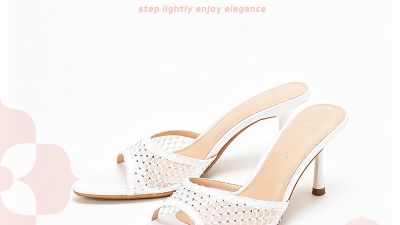
2024 Grand View Research Footwear Report: On feet & in love White Mesh Rhinestone Mule Heels for Occasion Style

The 2024 Grand View Research footwear report highlights a market increasingly shaped by changing lifestyles, occasion dressing, and demand for footwear that combines visual appeal with everyday comfort. Within this movement, white mesh rhinestone mule heels offer a polished interpretation of event-ready style. Their airy grid-mesh upper is decorated with delicate shimmering rhinestones, while the clean white color complements bridal looks, resort outfits, and light summer tailoring. The slip-on silhouette also reflects the growing preference for convenient, versatile footwear that transitions easily from preparation to celebration.

Designed for long occasions, these mule heels balance elegance with practical details. A spacious square toe allows more room for natural movement, while soft padded insoles help reduce pressure during extended wear. The slim white stiletto heel adds graceful height without overwhelming the refined design, and the breathable construction is especially suitable for warm-weather ceremonies and cocktail gatherings. A quiet rubber outsole helps minimize tapping sounds on indoor floors, making each step feel more discreet.

Market research from Grand View Research also points to continued growth in footwear consumption as consumers place greater value on design, comfort, and specialized use occasions. In this context, white rhinestone mules are more than decorative heels: they are a functional styling choice for bridal events, beach weddings, summer parties, and other celebrations where effortless sophistication matters.

FAQS

: Which material feels more comfortable for heels?

: Suede usually feels softer and more flexible immediately. Leather often feels firmer at first. Comfort still depends mainly on fit.

Do leather heels provide better support?

Leather usually offers firmer support around the heel and arch. It may soften and mold slightly with wear. A rigid toe box can still create pressure.

Can suede heels improve fit?

Suede may reduce slipping inside the shoe. Its flexible surface can suit narrow heels. However, the material may compress and lose support over time.

How should I check heel comfort before buying?

Measure both feet late in the day. Leave 10–12 millimeters beyond your longest toe. Walk indoors for at least ten minutes.

Which material handles daily commuting better?

Leather is usually safer for frequent commuting. It handles light moisture, scuffs, and repeated flexing better. Suede needs more careful cleaning.

Are suede heels suitable for rainy weather?

Not usually. Suede can collect dust, salt, and moisture between its fibers. Protective spray may delay staining, but it cannot make suede waterproof.

Which heel material suits formal occasions?

Leather suits offices, interviews, and formal ceremonies. Its smooth surface looks polished under indoor lighting. It may feel stiff during early wears.

When are suede heels a better choice?

Suede suits dinners, gallery visits, autumn events, and relaxed indoor weddings. Its short fibers create a softer, richer appearance. I still sometimes choose it when rain seems possible, which is not always wise.

How can I care for leather and suede heels?

Wipe leather after light moisture, then dry it naturally. Condition the upper occasionally. Brush suede gently and store it away from damp areas.

Which material is better overall?

Leather is more practical for commuting and uncertain weather. Suede offers softer flexibility and visual depth. Neither material guarantees comfort. Fit, lining, grip, heel stability, and toe pressure matter more.

Conclusion

Leather Vs Suede Heels offer distinct advantages, making the best choice depend on personal style, comfort needs, and lifestyle. Leather heels have a smooth, polished appearance, structured support, and strong resistance to everyday wear. They are often easier to clean and may adapt gradually to the shape of the foot. Suede heels, by contrast, feature a soft, velvety texture and a more relaxed, luxurious look. Their flexible feel can provide comfort, although they may require careful fitting to prevent slipping or pressure points.

When comparing durability and weather resistance, leather is generally more practical for frequent use and changing conditions, while suede is more sensitive to moisture, stains, and rough handling. In 2026, proper care remains essential: condition leather regularly, protect suede with an appropriate spray, and store both materials away from heat and humidity. Choose leather for commuting, formal events, or unpredictable weather, and select suede for dry occasions when texture and elegance are the priority.

Evelyn

Evelyn

Evelyn is a dedicated marketing professional with extensive expertise at Huidong Bingyuan Shoes Co., Ltd., where she has been instrumental in driving the company's growth since its inception in 2005. With a keen eye for detail and a passion for fashion, she specializes in the promotion of high......
Previous China Top Footwear How Does Heel Design Affect Fit?