

China Top Footwear: How Does Heel Design Affect Fit?
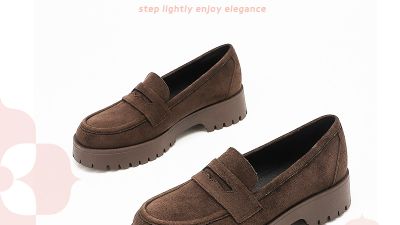
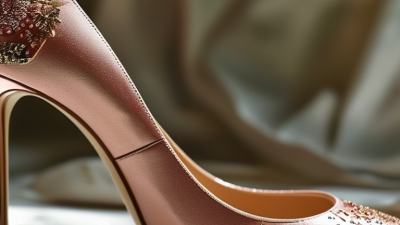
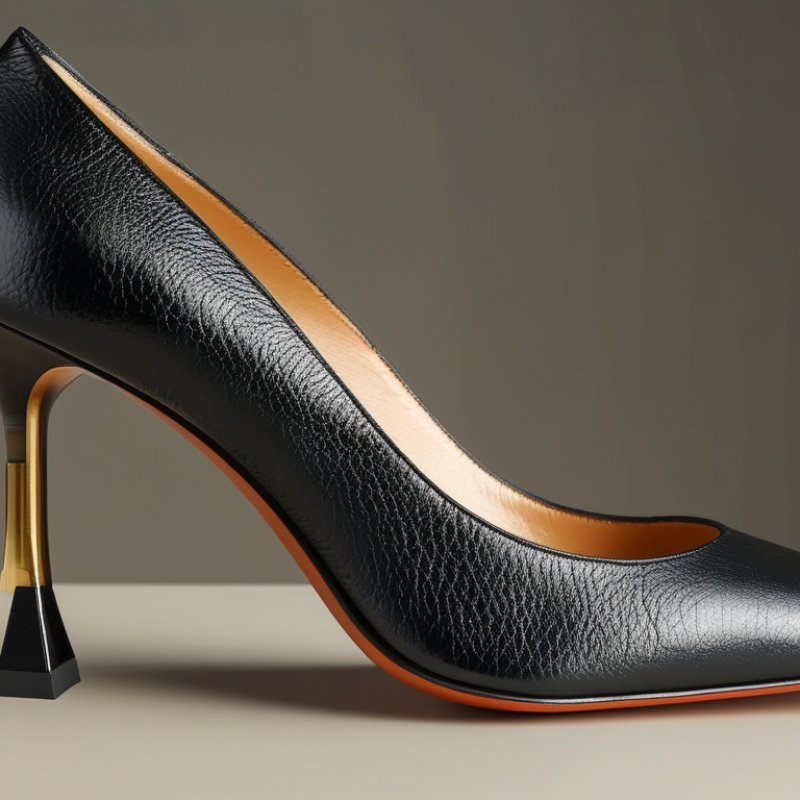
Heel shape quietly controls how a shoe meets the ground. A broad heel base spreads pressure during each step. This can reduce side-to-side wobble on smooth floors. A centered heel also helps the body move over the foot naturally. When the heel sits too far back, walking may feel awkward. The wearer can sense a small delay during weight transfer.
In practical fitting sessions, I check the heel from several angles. The rear edge should touch the ground evenly. The heel counter must hold the back of the foot without pinching. A slightly flared heel can improve stability during turns. It is especially useful when the wearer walks quickly or carries a light load. Very narrow heels may look refined, but they demand more control. That trade-off is easy to overlook.
Heel height changes the angle of the foot and the timing of each step. A moderate height may feel balanced when the platform is firm and centered. Uneven floors expose weak designs quickly. I have seen shoes feel stable indoors but shift noticeably on pavement. One fitting test is not enough. Walking comfort also depends on foot width, cushioning, and personal habits. Designers should test slow steps, turns, stairs, and sudden stops. Small heel changes can alter the whole walking experience. Some findings still need better measurement.