Picking out a heel tip isn’t just about looks — it actually makes a big difference in how your shoe performs. Things like grip, noise, balance, how often they need fixing, and even how confident you feel walking all come into play.
In this overview of heel tip materials, we’re looking at options like rubber, TPU, nylon, leather, and metal. Each one reacts differently depending on where you walk — whether it’s on shiny polished floors, rainy pavement, or uneven sidewalks. For instance, a soft rubber tip can soak up shocks pretty well, while TPU tends to give a firmer feel and holds up better against scrapes. Metal tips can look super sleek, but they might feel rough or even get slippery on smooth surfaces. And honestly, little details matter more than you’d think. A worn-out tip might throw off the heel’s balance, even if your shoes still look pretty cute.
Guidelines from SATRA on testing footwear focus on things like how well the material resists wearing down, how flexible it is, how strongly it bonds, and how safe it is in terms of slipping. These factors give us a practical way to compare different heel tip options. Reports from sources like Grand View Research and Textile Exchange also point out that durability, material efficiency, and sustainability are pretty big deals in the footwear world. But, real-life daily performance of those tiny heel tips — that’s not something broad reports always cover. It’s a detail that definitely deserves some attention.
Marlene Reid, a podiatrist, once said, “High heels change the way you walk and put more pressure on the front part of your foot.” Her comment just underscores why it’s so important to think about how stable your heel tips are — especially when it comes to shoes like thigh-high boots with narrow or tall heels. We’re considering stuff like traction, comfort, sound, how long they last, how easy they are to replace, and what’s better for the environment. Honestly, no material checks every box perfectly. Our review gives you a good snapshot, but it’s not flawless. In the end, how well the heel works depends on its shape, the floor you walk on, the quality of the glue used, and how you walk day to day.
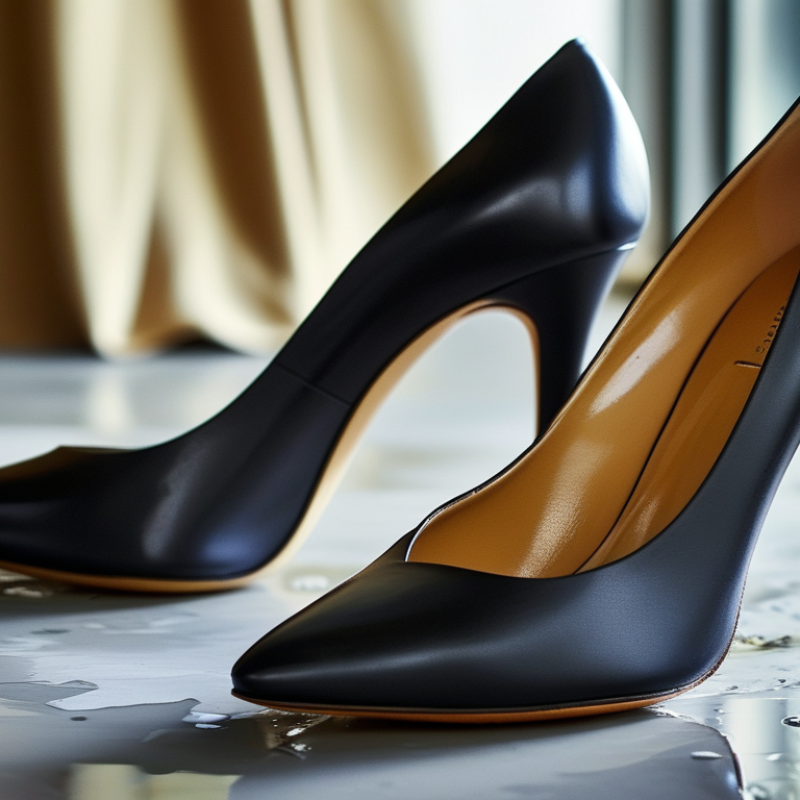
High heel tips are small, but they control contact, noise, and stability. Their main purpose is simple: protect the heel stem while gripping the floor. A tip usually contains a molded outer pad, a fixing pin, and sometimes a harder inner layer. That structure must resist compression without making each step feel harsh.
Rubber tips provide strong traction and quieter walking on tile. Softer grades feel better, but they can wear quickly on rough pavement. Thermoplastic polyurethane offers a useful balance between abrasion resistance and flexibility. Nylon performs well as a rigid support, although it may transmit more impact through the heel. Metal tips are durable, yet they can become slippery indoors and sound sharp on hard floors. They are not automatically better.
The 2024 World Footwear Yearbook reported approximately 23.9 billion pairs of footwear produced globally in 2023. That scale makes consistent replacement components important, not merely attractive materials. ISO 20871 abrasion testing helps compare wear resistance, while ASTM D2240 hardness testing indicates how firm a polymer feels under pressure. However, laboratory results do not fully predict wet floors, uneven paving, or repeated twisting. This is where material selection becomes practical judgment. A 70 Shore A rubber tip may suit daily commuting, while a firmer TPU tip may better support heavier use. Comfort depends on the whole shoe. Comfortable High Heel Shoes still need a tip that grips, flexes, and stays securely attached. Small design errors remain possible. The pin may loosen. The pad may harden.
High heel tips are commonly made from rubber, leather, plastic, polyurethane, or metal. Each material changes grip, noise, comfort, and durability. Rubber tips offer reliable traction on tile and polished floors. They also soften the sharp sound of footsteps. Leather tips look refined, but they can wear faster in wet conditions. Polyurethane and other tough plastics resist abrasion well. However, cheaper plastic may feel slippery on smooth stone.
Metal tips provide a firm edge and suit some structured heel designs. They can last a long time, yet they often sound loud indoors. For Block Heel Knee High Boots, a dense rubber or polyurethane tip usually balances stability and comfort. The wider heel already supports the body, so the tip should sit evenly without rocking. In practical fitting work, I check the heel after walking several minutes. A tiny gap can become a serious wobble.
Tips: Match the tip shape to the heel base. Measure both length and width before buying replacements. Press the heel onto a flat surface. It should touch evenly. Replace worn tips early. Waiting too long may damage the heel shaft. I still find material charts imperfect because floor texture, body weight, and walking style change performance. Test carefully.
When comparing high heel tip materials, I look beyond appearance. In repair work, I test them on polished tile, sealed wood, and rough pavement. Rubber usually provides strong grip and quiet contact. It also cushions each step, helping protect delicate floors from sharp impact. Quiet matters. However, soft rubber can wear quickly, especially when the heel strikes at an angle. That detail is easy to miss.
TPU offers a practical middle ground. It often resists abrasion better than soft rubber while retaining useful traction on dry surfaces. Its sound is usually a muted tap, not a hard click. On wet tile, performance varies with tread pattern and hardness. A durable tip is not automatically a safe one. Not always. I have seen thick TPU tips last longer but feel less stable during quick turns.
Leather tips can look refined, yet they compress and smooth out with use. Grip declines sooner, and exposed nails may mark wood floors. Metal tips resist wear, but they create sharp noise and can scratch vulnerable surfaces. They suit specific settings, not everyday walking. For regular indoor use, medium-soft rubber often gives the best balance of grip, low noise, and floor protection. Still, fit matters as much as material. A poorly aligned tip can wear unevenly, even when the compound is excellent. Inspect the edge after several walks. Replace it before the heel core touches the ground.
Top High Heel Tip Materials Compared: Which Is Best?
Weather and walking conditions can change which heel tip material performs best. Rubber heel tips usually provide better traction on wet sidewalks and polished indoor floors. They also soften impact on concrete, reducing sharp clicking sounds. However, soft rubber may wear quickly during long walks. Thermoplastic materials offer a useful balance of grip, flexibility, and durability. They suit commuters who move between pavement, offices, and public transport.
Leather heel tips feel refined and can remain quiet on indoor surfaces. Yet moisture may stain or weaken them over time. Metal tips resist abrasion, but they can slide on smooth floors and feel unstable on rain-soaked stone. Cobblestones create another problem. Narrow metal tips may catch between stones, while wider rubber tips can improve balance. In practical use, no material wins everywhere. I used to prefer the sleekest option, but repeated wet-weather walking changed my view.
Tips: Match the tip to your route, not just your shoe. Choose textured rubber for rain, softer rubber for frequent walking, and firmer thermoplastic for daily commuting. Inspect the tip after several wears. Replace it when the heel edge tilts, cracks, or exposes the inner pin. A professional shoe repairer can check alignment, since uneven contact may affect posture and stability. Carrying spare tips helps, although changing them outdoors is rarely convenient.
How weather and walking conditions affect material choice
Rubber generally provides the best wet-weather grip and reliable traction on smooth surfaces. TPU offers a balance of flexibility, durability, and moderate wet-surface performance. Leather can feel comfortable on dry ground but absorbs moisture and usually performs poorly in rain. Hard plastic compounds are durable and inexpensive, but they tend to provide less traction on wet or polished floors, especially in cold conditions. Scores are comparative suitability ratings from 1 to 10; actual performance varies with tread design, surface texture, temperature, wear, and maintenance.
High Heel Loafers often look durable, but their heel tips need regular attention. Rubber tips provide strong floor grip and reduce impact noise. They also tolerate light rain better than leather. However, rubber can wear unevenly on rough pavement. Replace it when the tread becomes smooth or the metal fixing pin appears.
TPU heel tips offer better abrasion resistance and keep their shape under frequent walking. They suit commuters who use hard floors and city sidewalks. SATRA footwear testing guidance emphasizes checking heel attachment, wear, and deformation during product assessments. Leather tips feel refined, but they absorb moisture and develop flat edges faster. A 2014 American Podiatric Medical Association survey reported that 71% of women experienced foot pain from high heels. Poorly maintained tips can worsen instability, especially on polished floors. I have found that visual inspection alone misses small cracks. That is an easy mistake.
Tips: Check both heels weekly. Press the tip against the floor. Movement suggests a loose attachment. Wipe rubber and TPU with a damp cloth, then dry them fully. Condition leather lightly, not daily. Avoid soaking any heel. Replace pairs together, even when one side looks worse. Keep a small repair record. It sounds excessive, but it reveals how quickly your walking pattern changes. For frequent wear, a cobbler’s inspection every three to six months is sensible. Still, that interval is not universal. Heavy walkers may need earlier replacement.
| Heel Tip Material | Typical Durability | Wet-Surface Traction | Noise on Hard Floors | Maintenance Requirements | Cleaning Method | Common Wear Signs | Best Use | Overall Assessment |
|---|---|---|---|---|---|---|---|---|
| Rubber | High for everyday walking; wear rate depends on hardness, walking surface, and heel size. | Generally very good because rubber provides friction and some flexibility. | Low; usually quieter than hard plastic or metal. | Inspect regularly for thinning, cracking, and uneven wear. Replace before the heel block is exposed. | Wipe with a damp cloth and mild soap. Allow it to dry naturally away from direct heat. | Flattened tread, loss of texture, cracks, or visible separation from the heel. | Daily wear, commuting, outdoor pavements, and variable weather. | Best all-round choice for traction, comfort, and low noise. |
| Thermoplastic polyurethane (TPU) | High; it resists abrasion and can retain its shape well under normal use. | Good, although traction varies with the formulation and surface texture. | Low to moderate; typically quieter than hard plastic. | Keep free of grit and inspect for hardening, splitting, or excessive smoothing. | Use lukewarm water, a soft cloth, and mild detergent. Do not use solvents or abrasive pads. | Smooth, polished contact surface; edge cracks; permanent deformation; or reduced grip. | Frequent use when a balance of durability and flexibility is required. | A durable, low-maintenance option with consistent performance. |
| Leather | Moderate to low in wet or abrasive conditions; it usually wears faster than synthetic elastomers. | Moderate when dry, but grip can decrease after soaking or heavy polishing. | Low; generally produces a soft contact sound. | Keep dry, condition occasionally with a suitable leather product, and avoid prolonged contact with water. | Remove dust with a soft brush or cloth. Use a small amount of leather conditioner only when needed. | Compressed or thinning surface, frayed edges, water stains, and loss of shape. | Dress shoes and indoor use where appearance and quiet walking are priorities. | Comfortable and attractive, but requires more care and has lower wet-weather resistance. |
| Hard plastic or nylon | Moderate; resistant to some abrasion but less forgiving on rough or uneven surfaces. | Low to moderate, especially on smooth, wet floors. | Moderate to high; hard materials can create a sharper clicking sound. | Check for chips, brittleness, and a smooth worn surface. Avoid excessive heat and harsh chemicals. | Wipe with a damp cloth and mild soap; dry thoroughly before storage. | Chipped edges, visible cracks, a glossy flattened surface, or reduced stability. | Occasional indoor use and situations where a firm, inexpensive tip is preferred. | Simple to clean, but less comfortable and less reliable on wet surfaces. |
| Metal | Very high resistance to abrasion, but the heel structure may still be damaged by impact or loosened fittings. | Poor on smooth or wet floors unless a textured design is used. | High; produces a distinct clicking sound on hard flooring. | Inspect for looseness, corrosion, sharp edges, and damage to the surrounding heel. Avoid using it on delicate floors. | Wipe dry after exposure to moisture. Use a non-abrasive cloth; remove surface corrosion according to the metal type. | Loose attachment, corrosion, bent edges, sharp points, or damage to flooring. | Decorative or occasional indoor footwear where appearance and wear resistance matter more than grip. | Longest-wearing tip material, but generally the least suitable for traction, noise control, and wet conditions. |
Maintenance note: Actual service life varies with heel height, wearer weight, walking frequency, pavement texture, moisture, and the quality of the heel-tip attachment. Replace a heel tip when it becomes uneven, cracked, loose, or worn enough to expose the underlying heel.
High Heel Tip Materials Compared: Which Is Best for Each Use Case?
Choosing a heel tip depends on where your shoes work hardest. For daily commuting, rubber offers dependable grip on tile, pavement, and wet station floors. It also reduces the sharp tapping sound common with hard plastic tips. I have found rubber especially useful on narrow heels, where small slips feel surprisingly severe. However, softer rubber can wear quickly on rough concrete.
TPU suits High Heel Boots and frequent outdoor walking. It balances flexibility, abrasion resistance, and moderate traction. A TPU tip usually feels firmer than rubber, so it may transfer more impact through the heel. That trade-off matters on long shopping trips. Hard plastic tips can look clean and resist scratches, but they often slide on polished floors. They are better for occasional indoor wear than rainy streets.
Tips: Match the material to the surface, not just the shoe design. Check the tip after several walks. If one edge becomes uneven, replace it before the heel starts leaning. Leather-covered tips can add a refined appearance for formal events, though they need careful handling around water. I once underestimated a smooth ballroom floor; appearance did not equal control. Small details matter. Choose the widest compatible tip for extra stability, but confirm the fitting is secure and evenly seated.
: Textured rubber usually offers stronger grip on rain-soaked pavement. It can reduce slipping near curbs and station entrances. Soft rubber may wear faster.
Yes. It balances flexibility, traction, and abrasion resistance. It suits routes involving pavement, office floors, and public transport. It may feel firmer than rubber.
Choose a durable rubber or thermoplastic tip. Rubber feels softer on concrete. Thermoplastic may last longer during repeated outdoor use. Neither option is perfect everywhere.
They resist scratches and look neat. However, they may slide on polished tile or smooth stone. Occasional indoor wear suits them better.
Metal resists abrasion, but narrow tips can catch between stones. They may also slide on wet surfaces. A wider, grippier tip offers better balance.
Leather can look refined and remain quiet indoors. Water may stain or weaken it. Use this option carefully around rain and damp floors.
Replace it when the edge tilts, cracks, or exposes the inner pin. Uneven wear can make the heel lean. I once ignored this sign too long.
Match the tip to the walking surface and route. Choose the widest compatible tip for added stability. Confirm it sits securely and evenly. Wider is not always better.
High Heel Tip Materials Compared: the material used at the bottom of a high heel plays an important role in stability, comfort, noise control, and floor protection. Common options include rubber, plastic, leather, metal, and composite materials, each offering different levels of durability, traction, flexibility, and resistance to wear. Rubber generally provides strong grip and quieter steps, while harder materials may last longer but can create more noise or mark delicate flooring.
Choosing the best material depends on where and how the shoes will be worn. Wet weather, uneven pavement, indoor floors, and frequent walking can all affect performance and maintenance needs. Some heel tips require regular inspection, cleaning, or replacement to prevent slipping and protect the heel structure. For everyday use, a durable and slip-resistant material is often the most practical choice; for formal indoor settings, a quieter option may be preferable. The ideal selection balances durability, comfort, floor safety, weather resistance, and the wearer’s walking habits.