When it comes to China’s high heels market, just having eye-catching designs really isn’t enough. Buyers and brands need to see solid proof of safety, stable bonding, and repeatable results from testing labs. So, in this overview, we’re taking a closer look at China’s top 10 suppliers for outsole adhesion tests on high heels—and what they’re actually capable of doing in practice.
Basically, a High Heel Outsole Adhesion Test measures how much force it takes to pull the outsole away from the rest of the shoe. If the glue isn’t holding well, it might show up as weak spots, poor surface prep, or bad curing conditions—you know, those tiny details that matter a lot. Sometimes, a heel can feel loose but the defect isn’t visible right away. That’s why testing is super important—especially for stilettos, platform shoes, and those really tall thigh-high boots, where bending and flexing put a lot of stress on the bond.
Dr. Huw Evans, a footwear testing expert, reminds us: “Adhesion only really matters if it mirrors what the shoe will face in real life.” This is why you gotta evaluate suppliers carefully. Good ones should have calibrated equipment, documented procedures, skilled technicians, and transparent reporting. Big names like Intertek, SGS, CTI, and TÜV Rheinland are known for their footwear or material testing services. Plus, specialized Chinese labs can offer more targeted support during production. But keep in mind—even if a website looks professional, that doesn’t automatically mean the testing is reliable. It’s smart to ask for sample reports, descriptions of their methods, test ranges, and info on their lab accreditation.
Even seasoned teams can sometimes miss differences between coated leather, rubber, EVA, or molded TPU. That’s one of the imperfect parts of this process. Ultimately, how a shoe performs depends on material combos, adhesive choices, aging, temperature, and how well the factory does its job. So, instead of just trusting claims, this guide compares suppliers based on actual proof—helping brands pick a trustworthy testing partner to make safer, better high heels.
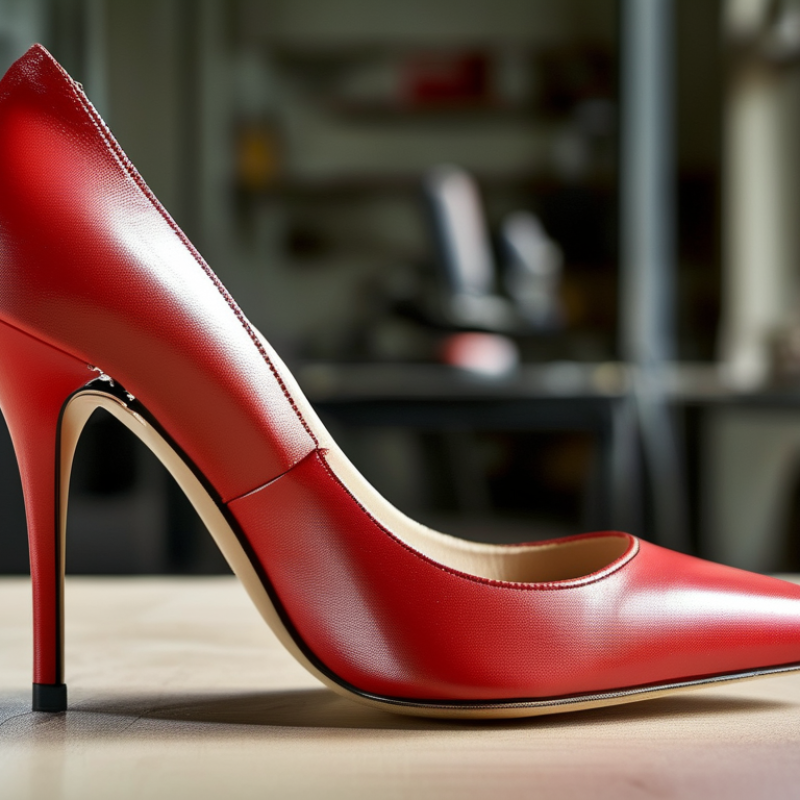
A high heel outsole adhesion test measures how firmly the outsole remains attached to the heel and upper shoe structure. It helps predict peeling, lifting, or separation during walking. In a supplier laboratory, technicians usually cut test pieces from finished shoes. They place each piece in a calibrated tensile machine. The machine pulls the outsole away at a controlled speed and records the required force.
Reliable testing needs more than one reading. Samples may be conditioned in warm, humid, or cold environments before testing. Technicians also inspect the failure surface after separation. A strong result shows adhesive failure resistance, but the material itself may tear first. That detail matters. It reveals whether the adhesive, rubber, leather, or interface is the weakest point. I have found that uneven glue lines can create misleading results. A wide bond may look secure while a narrow edge begins lifting under repeated flexing.
When comparing high heel outsole test suppliers in China, buyers should request calibration records, sample preparation details, and full test photographs. The report should identify test direction, pulling speed, specimen size, conditioning time, and failure mode. One test is not enough. Production variation can change the outcome. A second batch may perform differently, especially when outsole surfaces contain dust, release agents, or moisture. Testing should therefore connect laboratory data with real shoe construction, including pointed heels, rigid counters, and repeated bending near the forefoot.
China Top 10 High Heel Outsole Adhesion Test Suppliers?
Key Standards for Evaluating Outsole Bonding Strength
With global footwear production reaching 22.4 billion pairs in 2023, reported by the World Footwear Yearbook 2024, bonding reliability matters at scale. High heels face extra stress near the forefoot, waist, and heel tip. A qualified testing supplier should understand these load differences.
ISO 17708:2018 provides a recognized method for measuring whole-shoe upper-to-sole adhesion. SATRA TM404 is also widely used for footwear sole adhesion evaluation. Testing should include controlled conditioning before separation. Temperature, humidity, adhesive curing time, and material thickness must be recorded. Small details change the result.
The report should state force values, usually in N/mm, and identify the failure mode. Adhesive failure means separation at the interface. Cohesive failure means the adhesive or material tears internally. The second result may show stronger bonding, but not always better product performance. Suppliers should test several samples, not one convenient pair. A practical plan may include dry, heat-aged, and flexed specimens. One weakness remains: many factories compare numbers without checking where failure starts. That can hide weak bonding around sharp heel transitions. Buyers should request raw curves, photographs, calibration records, and operator experience. Acceptance limits should match the shoe design, because one universal threshold can mislead.
Comparing China’s top ten high heel outsole adhesion test suppliers requires more than checking price or delivery time. Start with technical competence. Confirm ISO/IEC 17025 accreditation and verify whether the scope covers footwear adhesion testing. Ask for the exact test method, peeling speed, test angle, conditioning temperature, and humidity. Small differences can change the result.
Request a sample report from every supplier. A reliable report should identify the outsole material, adhesive system, specimen dimensions, failure mode, equipment, calibration date, and operator. It should also show raw readings, not only a pass-or-fail statement. Experienced buyers should visit the facility when possible. Look for controlled conditioning rooms, labeled samples, clean preparation areas, and traceable instruments. These details reveal daily discipline.
Use a comparison sheet with weighted scores. Give technical validity the highest weight, followed by repeatability, reporting clarity, turnaround time, communication, and total cost. Ask whether the supplier can test rubber, TPU, EVA, or mixed constructions. Some laboratories provide fast service but limited method flexibility. That may be acceptable for Comfortable High Heel Shoes, but not for every production program. No comparison is perfect. Samples may arrive unevenly prepared, and factory conditions can differ from laboratory conditions. I would repeat doubtful tests and request an explanation of abnormal failure patterns. A confident supplier should discuss uncertainty openly, not hide behind a single number.
High heel outsole adhesion testing should reflect real factory conditions, not only laboratory numbers. Reliable suppliers in China usually document surface preparation, adhesive type, curing temperature, and bonding pressure. These details strongly influence the final result.
A peel test measures the force needed to separate the outsole from the upper or heel base. A tensile or shear test checks resistance under pulling and sliding stress. Technicians may also flex Block Heel Knee High Boots repeatedly, then inspect cracks, edge lifting, and adhesive transfer. Samples should rest before testing. Rushed curing can produce misleading results. Conditioning at low and high temperatures reveals weaknesses caused by storage or daily wear. Failure location matters. A clean adhesive split suggests poor bonding, while material tearing may indicate stronger adhesion.
Tips: Ask for test records with sample size, loading speed, temperature, and failure mode. Compare several outsole materials. Inspect the bonded edge with magnification. Do not trust one attractive result. A single test cannot represent every walking condition. In practice, uneven pressure and slight contamination still create unexpected failures. Suppliers should repeat tests and explain inconsistent data clearly. That honesty is useful, even when the result needs improvement.
China’s strongest outsole adhesion suppliers combine testing laboratories with controlled production lines. The World Footwear Yearbook 2024 reported that Asia produced over 85% of global footwear in 2023. This concentration supports deep technical experience, especially for High Heel Loafers and narrow outsole constructions.
A serious supplier should operate calibrated tensile testers, peel fixtures, digital force gauges, and climate chambers. Tests should record failure force, separation location, adhesive batch, and curing time. Conditioning near 23°C and 50% relative humidity improves repeatability.
ISO 17708 and SATRA footwear methods can support whole-shoe and bond-strength evaluations. However, methods differ. Buyers must check the exact test scope.
ISO 9001 matters for documented processes, while ISO/IEC 17025 is more relevant to laboratory competence. The ISO Survey 2023 recorded over 1.2 million ISO 9001 certificates worldwide, so certification alone proves little. Request certificate numbers, testing scopes, calibration dates, raw curves, and sample photographs.
During supplier audits, inspect adhesive storage, mixing records, outsole roughening, and operator training. A supplier may present excellent equipment yet produce inconsistent bonding. That contradiction deserves attention. I would also repeat tests after heat, moisture, and flexing cycles, because a clean first result can hide weak long-term adhesion.
China Top 10 High Heel Outsole Adhesion Test Suppliers
When comparing Chinese suppliers for High Heel Boots, pricing should include more than the laboratory fee. Basic outsole adhesion testing often costs around USD 80–250 per sample batch, depending on materials, test temperature, and report detail. Sample preparation may add another charge. Some quotations remain frustratingly vague. Ask whether cutting, conditioning, retesting, and shipment are included. A professional supplier should explain test standards, equipment accuracy, and acceptance limits before payment.
Lead times usually range from three to seven working days for standard adhesion tests. Custom footwear samples may require seven to fifteen working days. Confirm the timeline in writing, especially before seasonal production. Reliable suppliers can provide test photos, raw measurements, signed reports, and corrective suggestions. Their service scope may include peel testing, heat aging, water exposure, flex testing, outsole bonding review, and factory process checks. A fast report is useful, but an unexplained result is not.
Tips: Send complete construction details, including adhesive type, outsole material, bonding pressure, and curing time. Request one trial test before placing repeated orders. Check whether the supplier can communicate in technical English and handle confidential product information. Do not select only by price. A cheaper test may omit conditioning or use unclear sample sizes. I have seen comparison sheets that looked excellent but lacked retest rules. That gap can create expensive decisions later. Ask for a clear quotation, realistic lead time, and named service contact.
This indicative benchmark compares ten anonymized Chinese high-heel outsole adhesion testing suppliers by estimated testing price per sample, standard lead time, and service scope score. Pricing and lead times are reference ranges for routine laboratory testing; final quotations may vary according to outsole material, test standard, sample quantity, reporting requirements, and certification needs.
Selecting the right outsole adhesion testing partner requires more than comparing equipment lists. For high heel production, ask how the laboratory prepares bonded samples, controls adhesive thickness, and records curing time. Small details matter. A reliable supplier should test realistic heel structures, not only flat material strips. Confirm whether technicians understand leather, rubber, thermoplastic, and coated outsole surfaces.
Request evidence of calibrated instruments, trained operators, and traceable test records. Useful methods may include peel, pull-off, and shear testing under controlled conditions. Environmental conditioning also matters. Heat, humidity, and repeated flexing can reveal failures that appear invisible at room temperature. The partner should explain sample quantities, test speed, loading direction, and acceptance criteria in clear language. Vague reports create expensive decisions.
Communication is another practical filter. During supplier evaluations, notice whether the team asks about heel height, bonding area, adhesive type, and production volume. A technically capable laboratory that ignores these details may produce neat but less useful data. Fast service is helpful, but rushed sample preparation can reduce confidence. One imperfect test should not be hidden; it should be documented, reviewed, and repeated when necessary. Check whether the supplier protects development samples and shares raw data, photographs, and deviations. A strong partner does not simply provide a pass or fail result. It helps engineers connect laboratory findings with actual outsole performance.
| Rank | Anonymous Supplier Profile | Recommended Test Scope | Relevant Methods or Standards to Confirm | High-Heel Relevance | Key Equipment to Verify | Reporting Capability | Accreditation or Quality Evidence | Typical Sample and Project Requirements | Selection Assessment |
|---|---|---|---|---|---|---|---|---|---|
| 1 | Supplier Profile 01 | Whole-shoe outsole adhesion strength, including heel-area separation and sole-to-upper bond failure. | Confirm application of ISO 17708 or an equivalent validated footwear whole-shoe adhesion method; request the laboratory’s current procedure. |
Very High Suitable for stilettos, pumps, and bonded heel constructions. |
Calibrated universal testing machine, suitable footwear clamps, controlled-speed crosshead, and force-displacement data acquisition. | Force-at-failure, failure location, failure mode, specimen photographs, and raw-data traceability. | Check ISO/IEC 17025 scope, calibration certificates, and proficiency-testing participation for footwear or polymer testing. | Confirm shoe size range, conditioning temperature and humidity, number of specimens, and whether destructive testing is included. | Strong candidate |
| 2 | Supplier Profile 02 | Outsole-to-upper peel or separation testing after heat, humidity, and water exposure. | Verify the selected footwear adhesion method and documented environmental-conditioning procedure; avoid accepting a generic peel test without footwear validation. |
Very High Useful where adhesive durability is a concern in humid or hot supply chains. |
Environmental chamber, water-conditioning equipment, tensile tester, and controlled specimen-preparation tools. | Before-and-after strength comparison, percentage retention, conditioning records, and photographic evidence. | Request chamber mapping, temperature and humidity calibration, method validation, and measurement uncertainty information. | Confirm adhesive type, outsole material, upper material, conditioning duration, and post-conditioning test window. | Strong candidate |
| 3 | Supplier Profile 03 | Adhesion testing for rubber, TPU, PVC, EVA, leather, and mixed-material footwear assemblies. | Ask for a written matrix showing which method is used for each material combination and whether the method is whole-shoe or component-based. |
High Appropriate for fashion footwear using layered or co-molded soles. |
Universal testing machine with interchangeable fixtures, material identification tools, thickness gauges, and hardness testers. | Material-by-material result breakdown, specimen dimensions, test speed, maximum force, and failure classification. | Check calibration of load cells, dimensional tools, hardness testers, and the laboratory’s material-handling controls. | Confirm whether the supplier can test production samples, laboratory plaques, and finished shoes. | Strong candidate |
| 4 | Supplier Profile 04 | Adhesion assessment after flexing, repeated deformation, or simulated wear before final bond-strength testing. | Confirm the flexing or wear protocol, number of cycles, equipment validation, and its relationship to the client’s product specification. |
High Relevant to high heels because repeated forefoot flexing can stress the bonded joint. |
Footwear flexing machine, conditioning cabinet, tensile tester, and high-resolution inspection equipment. | Initial versus post-flex adhesion, cycle count, crack or delamination mapping, and failure photographs. | Request equipment calibration, cycle-counter verification, repeatability data, and documented operator training. | Confirm heel height, outsole geometry, flexing zone, number of cycles, and whether the test is comparative or pass/fail. | Strong candidate |
| 5 | Supplier Profile 05 | Root-cause testing for adhesive failure, including surface preparation, primer use, adhesive curing, and contamination. | Ask whether the laboratory can combine adhesion testing with technical investigation rather than issuing only a numerical result. |
High Valuable for diagnosing heel caps, sole lifts, edge lifting, and localized delamination. |
Microscope, digital imaging, surface-energy or wetting assessment tools, hardness tester, and tensile equipment. | Failure-mode analysis, fracture-surface photographs, probable-cause assessment, and corrective-action recommendations. | Verify analyst qualifications, documented investigation workflow, image traceability, and independent technical review. | Provide adhesive technical data, production process details, curing conditions, and failed as well as retained samples. | Strong candidate |
| 6 | Supplier Profile 06 | Routine production inspection for outsole bonding, including sampling plans and batch-to-batch comparison. | Confirm the laboratory can follow the client’s specification, approved method, sampling plan, and acceptance criteria without changing the procedure. |
Medium to High Best for ongoing quality control after product approval. |
Routine tensile tester, production sample fixtures, dimensional tools, and controlled sample storage. | Clear pass/fail conclusion, batch identification, sample traceability, test date, operator, and instrument ID. | Check internal quality controls, instrument calibration frequency, retained-sample policy, and nonconformance handling. | Confirm daily or weekly capacity, standard turnaround time, sample labeling, and report revision controls. | Good for routine QC |
| 7 | Supplier Profile 07 | Independent verification testing for pre-shipment, buyer approval, and supplier dispute resolution. | Require a mutually approved method, sealed samples, witness procedures where needed, and clear rules for retesting. |
High Useful when the buyer and factory need an impartial result. |
Independently calibrated tensile equipment, secure sample storage, photographic documentation, and chain-of-custody controls. | Impartial test report with sample receipt condition, deviations, raw values, photographs, and authorized approval. | Review conflict-of-interest controls, impartiality policy, ISO/IEC 17025 status, and report authorization procedures. | Confirm sealed-sample requirements, witness access, report language, data retention, and confidentiality terms. | Good for disputes |
| 8 | Supplier Profile 08 | Small-batch development testing for new heel designs, outsole compounds, adhesives, and process changes. | Confirm that the test plan can be customized while retaining documented method control and repeatability. |
High Suitable for comparing prototypes before mass production. |
Adjustable fixtures, tensile tester, environmental chamber, specimen-preparation tools, and digital measurement systems. | Design comparison tables, trend charts, statistical summaries, photographs, and practical development recommendations. | Request method repeatability data, prototype handling controls, calibration records, and data confidentiality measures. | Confirm minimum sample quantity, prototype geometry limitations, expected development iterations, and data ownership. | Good for R&D |
| 9 | Supplier Profile 09 | Combined footwear performance testing with outsole adhesion, slip resistance, flexing, hardness, and dimensional checks. | Verify that each property is tested under its own applicable method and that combined reports do not obscure individual results. |
Medium to High Helpful when a single project requires a wider footwear performance profile. |
Adhesion tester, flexing machine, slip-resistance equipment, hardness tester, thickness gauges, and climatic chambers. | Consolidated technical report with separate sections, method references, deviations, and an overall risk summary. | Check the accreditation scope for each requested property rather than relying only on a general laboratory certificate. | Confirm whether one shoe can be used for multiple tests and whether the test sequence may affect later results. | Verify scope carefully |
| 10 | Supplier Profile 10 | Fast-turnaround screening for urgent production decisions, corrective actions, and initial supplier qualification. | Confirm whether accelerated service uses the same controlled method, equipment, sample conditioning, and review process as standard service. |
Medium Useful for preliminary decisions, but not a substitute for fully documented validation testing. |
Calibrated tensile tester, standardized fixtures, sample-conditioning equipment, and secure digital reporting system. | Short-form report with measured force, failure location, photographs, method reference, and clear limitations. | Request evidence that urgent testing does not bypass calibration, sample traceability, technical review, or record retention. | Confirm minimum sample quantity, same-day or next-day availability, rush fees, and whether an expanded report can follow. | Use for screening only |
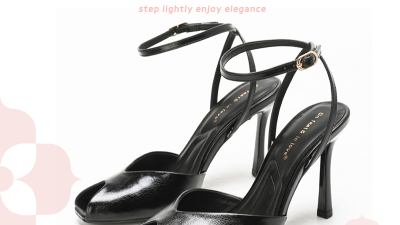
Black peep toe ankle strap high heels balance polished style with practical wearability. Their square-toe silhouette creates a modern, refined profile while allowing the forefoot to appear less visually compressed than a narrow pointed toe. Crafted from premium glossy leather, the shoes reflect light elegantly, making them suitable for office tailoring, evening dresses, and special-event styling. The adjustable ankle strap adds visual definition and helps provide a more secure fit when walking.
Comfort is increasingly important in footwear purchasing. Grand View Research valued the global footwear market at approximately $365.5 billion in 2022 and projects continued growth through 2030, reflecting strong demand for designs that combine appearance and function. This pair responds with a padded insole that softens pressure underfoot and a quiet stiletto heel designed for smoother movement across workplace floors, restaurant settings, and formal venues. For the best fit, measure feet later in the day, when slight natural swelling is more likely, and select a size that leaves comfortable space around the toes without allowing heel slippage.
For work, pair the heels with tailored trousers and a structured blazer; for dates, try a midi dress and understated jewelry. At formal events, glossy black leather complements satin, crepe, velvet, and metallic accents while keeping the overall look sophisticated. A slim ankle strap also works especially well with cropped hems, allowing the shoe’s architectural details to remain visible.
It measures the force required to separate the outsole from the upper or heel base. The result shows bonding strength.
They simulate pulling and sliding stresses during walking. These tests reveal weaknesses that a peel test may miss.
Yes. Samples should rest after bonding. Rushed curing can create misleading results.
Low and high temperatures expose weaknesses caused by storage or daily wear. Adhesives may behave differently after heat aging.
A clean adhesive split suggests poor bonding. Material tearing may indicate stronger adhesion. The evidence is useful, but not perfect.
Request sample size, loading speed, temperature, equipment accuracy, and failure mode. Test photos and raw measurements add helpful proof.
Basic testing often costs about USD 80–250 per sample batch. Cutting, conditioning, retesting, or shipping may cost extra.
Standard tests commonly require three to seven working days. Custom footwear samples may need seven to fifteen working days.
No. Uneven pressure and slight contamination can still cause failures. One attractive result is not enough.
Ask about adhesive type, outsole material, bonding pressure, curing time, acceptance limits, and retest rules. Clear answers matter.
A High Heel Outsole Adhesion Test measures how securely the outsole is bonded to the shoe, helping manufacturers assess durability, safety, and production consistency. This article explains the key standards used to evaluate bonding strength, including peel resistance, separation force, conditioning requirements, and test repeatability. It also compares how China’s leading testing suppliers differ in laboratory capability, testing methods, equipment, technical expertise, and quality certifications.
The guide further reviews supplier pricing, lead times, reporting procedures, sample requirements, and service coverage, from routine laboratory testing to customized quality programs. It highlights the importance of selecting a partner with calibrated equipment, experienced technicians, clear communication, and reliable data management. By comparing technical capacity, certification status, turnaround time, cost, and customer support, footwear companies can choose an outsole adhesion testing partner that fits their product specifications, quality objectives, and supply-chain needs.