
Leave Your Message
Choosing the right supplier? Well, it all starts with a pretty straightforward question: How do you find a block heel manufacturer that consistently delivers good quality, instead of just making promises they might not keep? By 2026, brands in the footwear game are up against higher customer expectations, faster product cycles, and more pressure to prove they're producing responsibly. A trustworthy manufacturer should be transparent — think verified factory info, skilled technicians on the ground, stable sources for materials, and clear quality control steps. Don’t just fall for glossy catalog pictures; ask for factory videos, production samples, testing reports, and recent client references. That stuff really gives you a better picture.
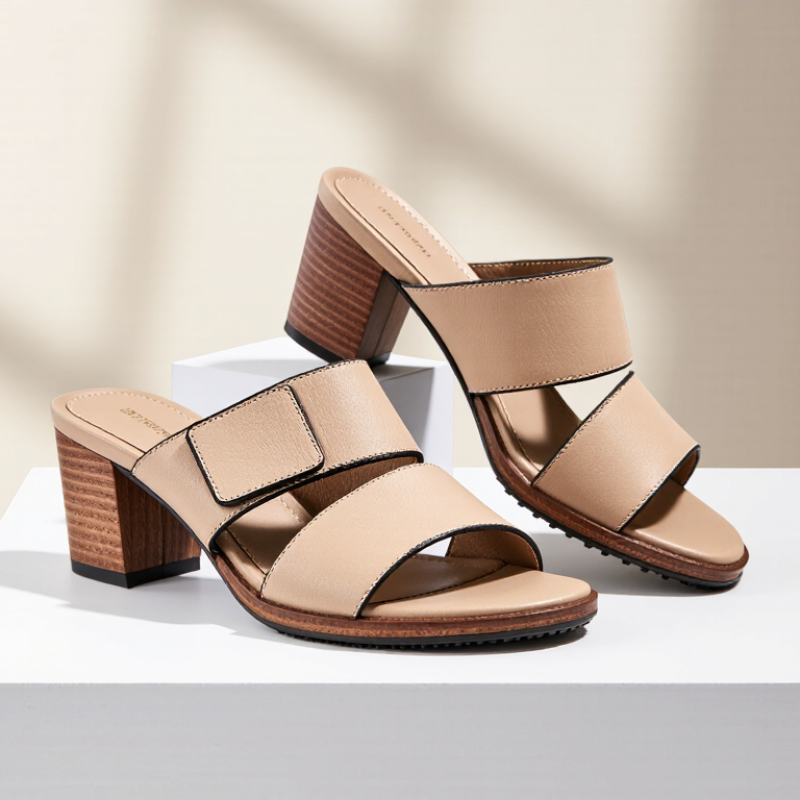
And yeah, the type of product matters big time. Take block heel slide sandals, for example — you want to be sure they’re balanced, comfy for walking, have strong straps, good grip, and a stable heel. It’s a good idea to request a sample that matches how you plan to use them — walk on both smooth and textured surfaces to test it out. Check the stitching, how neatly edges are finished, bonding quality, color consistency, and how well packaging protects the product. Small defects might seem minor but can turn into costly returns, so no shortcuts there.
A professional manufacturer won't leave you hanging — they’ll explain things like minimum order quantities, tooling costs, lead times, inspection steps, and how they handle issues, all in writing. Having independent audits is a plus, but honestly, nothing beats seeing the operation firsthand. We’ve seen promising samples crash and burn during actual production because the specs weren’t detailed enough — not a fun lesson, but a necessary one. Make sure you share and agree on measurements, material standards, tolerance ranges, and reference photos before you place any orders. And let’s not forget, ethical labor, safe workplaces, and compliant materials should be the baseline — no compromises there. Remember, the best partnership isn’t about getting the lowest quote. It’s built on open communication, consistent craftsmanship, and manufacturers willing to admit and fix problems early on. That’s how you ensure reliability for the long haul.
Before contacting a block heel manufacturer, define who will wear the shoes and where. A wedding guest standing on grass needs a different heel base from a city bride walking across stone floors. Record the target wearer, occasion, season, and expected hours of use. Be specific.
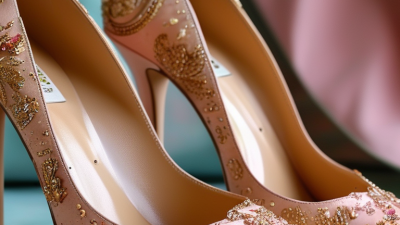
For a Wedding Shoes Block Heel design, set a heel-height range, base width, toe shape, and fastening style. A 55-millimetre heel may feel stable in a fitting room but tiring after a full day. Specify upper materials, lining, footbed cushioning, outsole grip, and acceptable weight. Add reference measurements and clear sketches; words like “comfortable” are too vague on their own. They rarely guide a sample maker.
Decide how the shoe should fit across the forefoot and instep, and list the sizes required. Ask how the factory will check measurements, heel attachment, seams, and finish during sampling and production. Request a wear-test sample before approving the final specification. Test it on the surfaces customers will actually use. A polished floor is not lawn. Note any rubbing, slipping, or pressure after several hours, then revise the brief. The first sample may expose an assumption you missed; that is useful, though it can affect timing and cost.
| Requirement Area | Product Specification to Define | Practical Starting Point | How to Verify It |
|---|---|---|---|
| Heel height | Specify the finished heel height and the measurement point, including whether the value is measured at the heel seat or from the ground. | Choose a defined height for each style; common design briefs may use low (about 25–40 mm), mid (about 45–65 mm), or high (about 70–90 mm) heels. | Measure a production-representative sample and confirm the measurement method, tolerance, and size grading in the technical pack. |
| Heel shape and footprint | Document heel profile, base width, length, placement, edge shape, and the intended contact area with the ground. | Set dimensions from the approved last and design drawings. A broader ground-contact area can support stability, but the final geometry must be assessed on the complete shoe. | Review dimensioned drawings, inspect samples from multiple sizes, and conduct a standing and walking assessment on a level surface. |
| Last and fit | Define the size range, size system, width options, toe shape, instep volume, and fit expectations for the target customer. | Provide the base size and a grading plan. Confirm that the last, heel seat, and upper pattern are developed together rather than evaluated independently. | Fit-test prototypes on representative wearers; check heel slip, toe clearance, pressure points, and fit across the size range. |
| Heel construction | Specify the heel core, outer covering, attachment method, heel seat interface, and any reinforcement required by the design. | Choose construction according to heel height, shape, intended use, and material. Approve the construction details before confirming tooling or bulk production. | Request construction drawings and inspect a cutaway or engineering sample; assess attachment and alignment on finished footwear. |
| Upper materials | State material type, thickness range, color, finish, lining, reinforcement, and approved material alternatives. | Specify materials by component and location. Record any required material test results and agree on how color and surface finish will be approved. | Review physical swatches and a complete sample; check appearance, flex behavior, seam quality, and consistency between components. |
| Outsole and heel tip | Define outsole and top-piece materials, tread pattern, thickness, hardness where relevant, and replacement or repair expectations. | Match the sole and heel tip to the intended surface and use case. Avoid approving grip or wear claims without a defined test method. | Inspect sole attachment and heel-tip fit; evaluate wear and traction using an agreed test method appropriate to the target market. |
| Comfort and wear use | Describe intended wear duration, occasions, climate, cushioning needs, and any removable or supportive footbed requirements. | Write a specific use profile, such as office wear or event wear, instead of relying on a general “comfortable” requirement. | Conduct structured wear trials and record fit, pressure, fatigue, and surface-related feedback after agreed wear periods. |
| Weight | Set a finished-shoe weight target and identify the size and weighing method used for comparison. | Use an approved reference sample or prototype to establish the target; weight varies with size, materials, sole construction, and heel design. | Weigh a complete pair in the agreed size using the same calibrated scale and method for each sample round. |
| Color and finish | Define color references, gloss or texture, edge treatment, hardware finish, and acceptable visual variation. | Approve a physical standard under agreed viewing conditions and identify which components must match. | Compare pre-production and production samples against the approved standard; document acceptable limits for shade and finish variation. |
| Quality and testing | List required checks for dimensions, bonding, seams, material performance, appearance, and finished-pair consistency. | Agree on test methods, sample quantities, acceptance criteria, and responsibility for testing before production begins. | Review test reports and inspection records. Select methods appropriate to the product and applicable requirements in each sales market. |
| Compliance and traceability | Identify destination markets and requirements for materials, chemical restrictions, labeling, and product documentation. | Confirm applicable requirements for each market; do not assume one set of documents covers every destination. | Request current material declarations and supporting documentation, and verify that they match the approved components and intended markets. |
| Production readiness | Define the approved technical pack, sample stages, tolerances, packaging, order quantities, and production schedule. | Require written approval of the final size set, materials, construction, and pre-production sample before bulk manufacturing. | Use a signed specification and sample approval record; inspect production against the same reference and documented acceptance criteria. |
Request a capability sheet covering heel heights, materials, construction methods, and monthly capacity. Ask how the factory handles design or material changes. Details matter.
Check the heel surface, attachment, edges, and left-right balance. Walk on a firm floor and note wobbling or uneven contact. Small flaws show.
Request specifications for the upper, lining, outsole, heel core, and covering materials. Check smooth seams, outsole grip, stitching, and adhesive marks. Feel the sample yourself.
Ask how it checks heel stability, bonding strength, surface wear, and color consistency. Request test methods and available records. A claim alone is not proof.
Check each certificate’s issuer, facility, scope, and expiry date. Confirm it covers the factory making your order. Ask for written checks at each production stage.
Request incoming material checks, in-line inspections, and final pair reviews. Ask how defects are recorded and rejected pairs handled. Get sample reports.
Compare sampling, revision, and bulk-production lead times separately. Confirm inspection points and packaging details. A spreadsheet helps, but it cannot show clear communication.
Not always. Consider a small pilot run, then inspect dimensions and finishes across several pairs. Compare finished goods with the approved sample; I may still miss a small flaw.
Choosing the right partner begins with a clear definition of your block heel product requirements for 2026, including design, materials, target price, expected volumes, and quality expectations. Research manufacturers that can meet those needs, then compare their production capabilities, material options, craftsmanship, and quality standards. A strong fit should be able to explain how it manages each stage of production and provide relevant samples for review.
When considering How To Choose A Block Heel Manufacturer, look beyond the initial quote. Compare minimum order quantities, pricing, lead times, and the ability to scale as demand changes. Verify certifications and quality-control processes, and assess how clearly the manufacturer communicates. Discuss customization, sustainability practices, and the support available after production begins. Careful evaluation across these areas can help you select a dependable manufacturing partner for both your immediate collection and future growth.