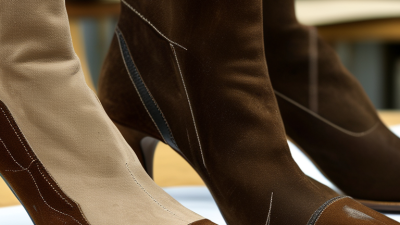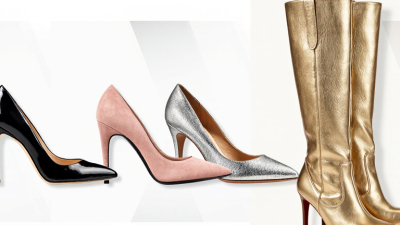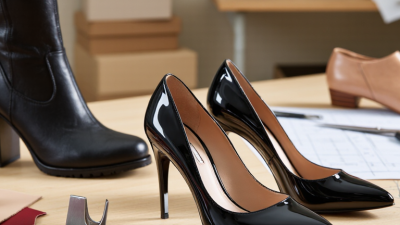
So, when it comes to figuring out how many sample rounds you need for custom high heels, there's really no one-size-fits-all answer. Usually, in the real-world process, you'll find that three to five rounds are a good starting point. But honestly, the exact number depends on stuff like heel height, toe shape, the materials used, how it’s built, and the person’s foot measurements. For example, a small two-inch block heel might get stabilized pretty quickly, while a narrow 100-millimeter stiletto probably needs more tweaks and adjustments. Every tiny change actually counts — even a one-millimeter difference can impact things like where the pressure hits, how balanced the shoe feels, and how symmetrical it looks.
A sample round is a physical checkpoint, not simply a design approval. It tests whether the sketch works on a real foot. Most custom high heels need two to four rounds in 2026. Simpler shapes may require fewer. Unusual heel angles, narrow toe boxes, or delicate uppers often need more.
The first round usually checks the last, heel height, toe shape, and overall balance. A fitting specialist may mark pressure points with pencil. The next sample examines leather tension, lining comfort, stitching placement, and outsole grip. Small changes matter. A one-millimeter shift can change how the shoe feels after ten minutes of walking.
Digital modeling can reduce wasted samples, but it cannot replace a physical wear test. Materials bend differently than computer simulations suggest. A glossy upper may crease near the vamp. A firm counter may rub the heel. These details are easy to miss on screen.
In production work, the final round should confirm repeatability, not only appearance. The sample must match the approved measurements and survive basic movement checks. A beautiful first sample can still be a poor shoe. That happens more often than people admit. My own preference is to record every adjustment, even the embarrassing ones, because unclear notes create avoidable delays. Temperature, material batches, and foot shape can also change the result. Strict control helps, but perfection is never automatic.
How Many Sample Rounds Do Custom High Heels Need in 2026?
Custom high heels usually require two to four sample rounds, but the number depends on design risk. A simple sandal may need two rounds. A sculpted Sexy High Heels design with thin straps, a tall heel, or unusual materials may need four or more. The first sample checks proportions and construction. The next one tests balance, fit, comfort, and visual accuracy.
Material choice often changes the schedule. Patent leather highlights wrinkles, while soft leather may stretch after wear. A metal heel, hidden platform, or complex ornament can also shift the shoe’s center of gravity. Experienced developers test walking, stair movement, and pressure near the toe box. Small issues become obvious there. A 3-millimeter strap adjustment can prevent painful rubbing.
Factory capability matters too. The World Footwear Yearbook 2024 reports that Asia produced 87.4% of global footwear in 2023, showing how international sourcing remains significant. Distance can slow revisions, especially when physical samples cross borders. Digital patterns reduce some delays, but they cannot replace a real fitting session. I would plan three rounds for most premium projects, with a fourth reserved for corrections. That estimate is imperfect. Foot shape, heel height, and approval speed still control the result. Reliable teams record every change with photos, measurements, and wear-test notes.
Planning estimates for custom high-heel development. Actual sample rounds depend on the design, materials, fit requirements, and how clearly feedback is provided.
| Development factor | Typical additional rounds | Why it affects the count | Ways to reduce avoidable revisions |
|---|---|---|---|
| Simple design using an existing last and standard construction | 1–2 | Fewer new components and fit variables usually make the first prototype easier to assess. | Confirm heel height, materials, color, and size range before prototyping. |
| Typical custom style with moderate design changes | 2–4 | The upper, heel, balance, and fit may need separate adjustments across development samples. | Provide annotated sketches, reference measurements, and consolidated feedback. |
| New or substantially modified last | 1–3 additional | Changes to the last can affect toe shape, volume, fit, and the relationship between the foot and heel. | Approve last measurements and conduct a fit review before finalizing upper details. |
| Unusual heel height, shape, or balance | 1–2 additional | Heel position, pitch, stability, and overall balance may require refinement alongside appearance. | Review the heel profile and balance early, rather than waiting for a finished sample. |
| Complex materials, trims, or surface treatments | 1–2 additional | Material behavior, color matching, adhesion, and placement can differ from the design reference. | Approve material swatches and trim placement before requesting a fully finished sample. |
| Multiple sizes or a broad size range | 0–2 additional | Grading can reveal fit or proportion issues that are not visible in a single sample size. | Specify the fit sample size and identify which sizes need review or testing. |
| Late design changes or fragmented feedback | 1–3 additional | Revising approved details or receiving conflicting comments can send work back to earlier stages. | Assign one decision-maker and submit one prioritized feedback list per sample. |
| Overall planning estimate | 2–4 rounds for many projects | A straightforward project may need fewer rounds; complex or frequently revised designs may need more. | Agree on sample stages, approval criteria, and revision scope at the start of development. |
Note: These ranges are practical planning estimates, not a guaranteed industry standard. A “sample round” means one submitted prototype followed by review and any agreed revisions.
The first sample of custom high heels tests the idea before it tests perfection. It checks whether the sketch becomes a wearable shoe. Our fitting work begins with the approved last, heel height, toe shape, and key foot measurements. Small errors matter. A two-millimeter change can affect balance and pressure.
We inspect the sample under natural light. The topline should sit smoothly without cutting into the foot. The vamp must hold the foot without creating wrinkles or slipping. We also check the toe box, heel counter, and sole alignment. A model walks slowly on a firm floor, then stands for several minutes. Red marks, loose edges, or forward sliding reveal problems that photographs often hide.
The first sample may look attractive but still feel wrong. That is normal. A pointed toe can appear elegant while compressing the toes. A narrow heel may improve the silhouette but reduce stability. We record these findings with measurements, photos, and direct wearer feedback. Sometimes the correction is smaller than expected. Sometimes the shape needs rethinking. Elegant High Heels require more than decoration; they need controlled proportion and practical comfort. Even experienced makers can miss a pressure point during the first review. That imperfection deserves attention, not excuses.
A revision sample should test more than appearance. It should expose where the shoe quietly fails.
The American Podiatric Medical Association’s consumer survey found that 71% of women reported foot pain. The figure is dated, but still useful. It reminds developers that a beautiful last can create pressure at the toe box. For Wide High Heels, I would measure forefoot width, instep volume, and heel stability again. A two-millimeter change can alter the fit noticeably.
Materials need physical comparison. A softer lining may reduce rubbing, yet it can stretch too quickly. A firmer upper may hold shape, but it can punish the little toe. SATRA footwear guidance highlights flexing, bond strength, and slip resistance as practical performance checks. The revision sample should include repeated flexing, not only a brief fitting session. Watch the topline after walking. Inspect glue lines near the outsole. Listen for squeaking.
Structure deserves uncomfortable honesty. A taller heel may look elegant, but the shank can feel unstable when the wearer turns. Add a thin cushioning layer, then check whether it reduces internal volume. It sometimes does. That mistake is easy to miss.
Two or three revision rounds are often realistic. More may be necessary for unfamiliar lasts or complex materials. Keep handwritten fit notes. They reveal patterns that photos cannot. Industry testing supports discipline, but human walking still exposes surprises.
In 2026, custom high heels usually need two or three sample rounds before mass production. Complex heels may require more. However, the final sample carries the greatest responsibility. It confirms whether the approved design works on a real foot, not only on a screen. During fitting, check the toe box, arch support, heel balance, strap pressure, and walking stability. A beautiful shoe can still fail after ten minutes of wear.
For Date High Heels, the final sample should match the confirmed heel height, last shape, upper material, lining, outsole, color, and hardware. Measure both shoes, because small differences can affect comfort. Walk on tile and carpet. Sit, stand, and climb a few steps.
Look for creasing near the vamp, loose stitching, uneven edges, or slipping straps. Record each issue with close photographs and exact measurements. Do not rely on memory.
Before production, compare the sample with the approved specification sheet. Confirm size grading, packaging details, labeling, and material quantities with the factory team. A signed approval should identify the sample date and any accepted variation. I have learned that rushing this stage creates expensive corrections later. One overlooked millimeter can change the fit. Sometimes, a sample seems acceptable until a longer wear test exposes pressure under the forefoot. That uncomfortable discovery is useful, even when it delays the schedule.
For a basic block or kitten heel, plan on two to three sample rounds. The first checks the last, fit, and heel position; the next tests corrections in a wearable pair. A stiletto often needs three to five rounds because small changes in heel angle can affect balance and pressure under the forefoot. SATRA’s footwear test methods include heel-attachment strength testing, a useful reminder that appearance alone cannot confirm a secure build. These ranges are practical planning estimates, not a published industry-wide average.
Platforms and wedges commonly take three to four rounds, especially when the sole changes the pitch or weight distribution. Sculpted heels, unusual materials, or decorative details may require four to six. A 2024 World Footwear Yearbook estimate puts global 2023 footwear production at 22.4 billion pairs, but it does not measure prototype rounds; treat that figure as industry context, not proof of a sampling standard. Small changes matter. A sample may look elegant on a table, then feel unstable after several steps. One round can also be lost to unclear fit notes. That happens. Share marked photos, heel measurements, and wearer feedback after each fitting to reduce avoidable revisions.
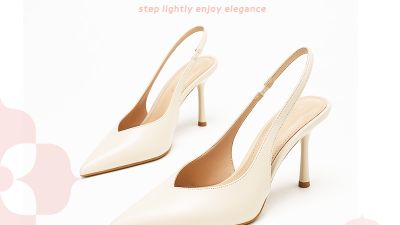
Nude pointed-toe slingback stiletto heels bring a polished finish to both workwear and occasion outfits. Their soft nude tone creates a subtle, leg-lengthening effect, while the sleek pointed toe pairs neatly with tailored trousers, pencil skirts, and structured suits. For a wedding or formal dinner, wear them with a midi dress or a flowing evening look; for a date, they add a refined touch to a simple dress or dark denim. The understated color makes these heels easy to coordinate without competing with the rest of an outfit.
A flexible adjustable rear strap helps keep the slingbacks secure and reduce slipping as you walk. The slim stiletto heel lends an elegant profile, while quiet rubber heel caps help soften the sound of each step on hard floors. Made with silky-smooth matte vegan leather, the upper has a clean, versatile finish. A plush tan padded insole adds cushioning for long days at the office or extended events. For the best fit, adjust the strap so it feels snug without pinching, and allow enough room at the pointed toe for comfortable movement. Pair them with neutral shades for a coordinated look, or use them to balance richer colors and prints.
Most need two to four rounds. Simple designs may need fewer. Unusual heel angles can need more.
It checks the last, heel height, toe shape, and balance. A fitter may mark pressure points with a pencil. Small marks matter.
Digital models help, but materials bend differently. A glossy upper may crease near the vamp. Screens can miss that.
Check leather tension, lining comfort, stitch placement, and outsole grip. Walk for ten minutes. Notice pressure early.
Confirm measurements and repeatability before mass production. Both shoes should match. Appearance alone is not enough.
Walk on tile and carpet. Sit, stand, and climb a few steps. Check arch support, strap pressure, and balance.
Look for loose stitching, uneven edges, slipping straps, and vamp creases. Take close photographs and record measurements. Memory is unreliable.
Compare the sample with the specification sheet. Check size grading, packaging, labeling, and material quantities. Record the sample date and accepted variations. I still miss details sometimes.
How Many Sample Rounds Are Needed For Custom High Heels depends on the design’s complexity, materials, construction, and fit requirements. Sample rounds are trial stages that let a production team check whether a shoe matches the intended appearance and feels comfortable and stable. The first sample typically establishes the overall shape, heel profile, and basic fit. Its purpose is to reveal major design or sizing issues before further refinement.
A revision sample can be used to adjust materials, structure, proportions, and comfort based on feedback. Once the key changes are resolved, a final sample confirms details such as finish, components, and fit before mass production begins. A simple design may need fewer rounds, while intricate shapes or specialized materials may require additional revisions. Planning for these stages helps clarify expectations, catch problems early, and ensure the approved design is ready for production.