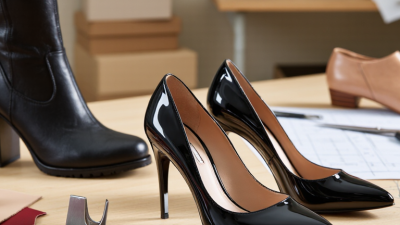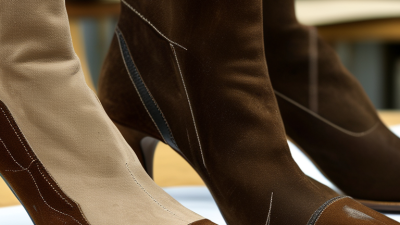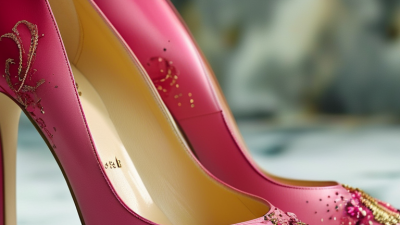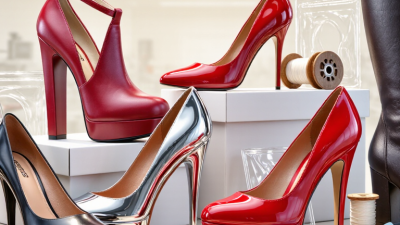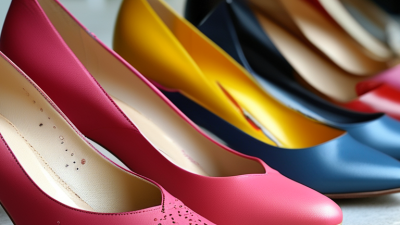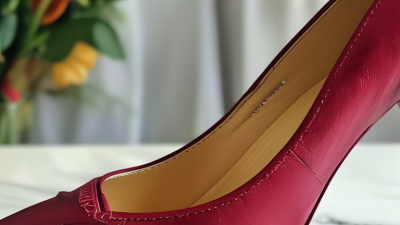
When it comes to high heel colors, they're actually more than just a seasonal style thing. They can really influence how you plan your collections, shoot your product photos, and even boost confidence in your buying choices. Brands like Pantone and WGSN track seasonal color trends—Pantone's reports highlight emerging shades across collections, while WGSN's forecasts help retailers get ahead of palette changes. That kind of info is super helpful for guidance, but it’s not a crystal ball for guaranteed sales. Honestly, buyers still need to compare these forecasts with their own customer data, price points, and regional tastes—what works in one place might not in another.
Take a deep burgundy heel—sounds like a perfect fit for autumn, right? But maybe a soft metallic finish would really pop in a spring display. Classic black is always safe, but only relying on it might make your collection look a bit dull. A good trick? Do small color tests—like selling through two shades side by side or gauging customer reactions from product images—before you commit to a big order. And don’t forget to look at the details.
Colors can also vibe differently depending on the silhouette. For instance, Thigh-high heel boots can really make a bold color stand out, while the same shade on a simple pump might feel a bit more subtle. That small difference can make a big impact on how you merchandise things. Industry forecasts are a good starting point, but they’re not foolproof—there’s always a chance predictions might miss the mark. That’s just part of the game. The smart move is to create a balanced mix: include some familiar staples plus a few riskier, more creative options, and then listen to what your customers tell you to fine-tune your future buys.
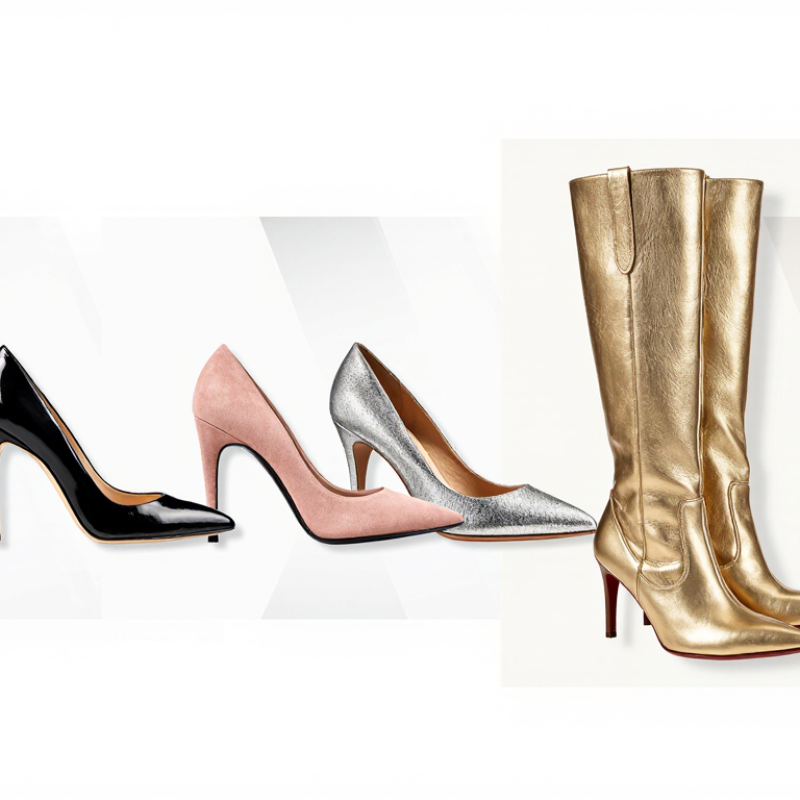
Forecasting high-heel colors starts with signals, not a hunch. Pantone’s 2025 Color of the Year report named PANTONE 17-1230 Mocha Mousse, a warm brown suited to suede, satin, and polished leather. That does not mean every buyer should stock brown pumps. It does offer a useful palette cue: compare seasonal color forecasts with recent sell-through, returns, and search activity before placing orders.
Retail data adds the commercial test. Circana’s U.S. footwear market reporting showed dollar sales declined 2% in 2023, a reminder that shoppers may be cautious about discretionary purchases. Buyers can track color-level sales weekly, separating heel height, material, and price band; a black patent heel may behave differently from a matte nude stilett o. Look for repeated demand across stores, not a single viral spike. Small samples mislead. Forecasts also miss: a shade predicted to trend may photograph beautifully yet feel difficult to wear. Record that gap, then adjust the next buy using actual sales and returns.
Black, nude, and brown remain useful anchors because they work across office, occasion, and everyday assortments. The World Footwear Yearbook 2024 estimates global footwear production at 22.4 billion pairs in 2023. That scale makes dependable core colors commercially important, but it does not prove every buyer wants the same palette. Segment data matters.
For value-focused shoppers, black offers an easy match with workwear and evening outfits. Nude heels can visually extend the leg, yet “nude” should include several skin-tone options. A single beige shade misses real customers. Brown adds warmth to autumn wardrobes; buyers can compare espresso, cognac, and lighter tan against actual fabrics, not just a screen. Small color swatches help.
Assortment depth should reflect use and climate. A retailer serving formal occasions may need more black, while a casual-focused range can give brown greater space. Track sell-through by shade, size, and season, then reorder cautiously. McKinsey’s State of Fashion 2024 describes consumers as increasingly value-conscious, a useful signal for prioritizing versatile purchases. Still, neutral does not mean risk-free: shades can look different under store lighting, and returns may expose that gap.
| Core color | Typical buyer segment | Common occasions | Styling role | Buyer considerations | Assortment note |
|---|---|---|---|---|---|
| Black | Workwear shoppers and buyers seeking a versatile, classic option | Office wear, evening events, and formal occasions | Pairs easily with dark, neutral, and high-contrast outfits | Heel height, comfort, material finish, and care requirements | Consider classic pumps alongside lower heels and dressier finishes |
| Nude | Occasionwear shoppers and buyers looking for a leg-lengthening visual effect | Weddings, celebrations, and daytime events | A low-contrast pairing with outfits in many colors | Shade range and undertone; “nude” does not describe one universal skin tone | Offer a considered range of beige and tan shades rather than a single tone |
| Brown | Casual-to-smart shoppers and buyers drawn to warm, earthy palettes | Daywear, social occasions, and smart-casual outfits | Complements cream, denim, olive, and other warm-toned clothing | Distinguish lighter tan shades from deeper chocolate tones and check color consistency | Coordinate shade choices with seasonal materials and the broader color palette |
Note: The segment descriptions and assortment notes are general merchandising guidance, not market-share or sales-performance statistics.
Gold, silver, and bronze can attract attention, but their sell-through depends on styling and occasion. Circana reported that U.S. footwear sales fell 2% in 2023, while units declined 6%. That wider market picture makes cautious buying sensible; it does not prove that metallic heels share the same trend. Public industry reports rarely isolate heel sales by finish, so treat color-level demand as a hypothesis to test against your own store data.
Gold often reads warm under indoor lighting and pairs easily with cream, brown, and eveningwear. Silver gives a cooler, sharper look. Bronze feels less formal, though shoppers may find it harder to match. Small details matter: a brushed finish hides scuffs better than mirror shine, and a stable heel can matter more than color during a long event.
Comfortable High Heel Shoes should remain part of the merchandising story, not an afterthought. Try a narrow test buy. Track sell-through by size, finish, and occasion over four to six weeks. Then compare returns and customer comments. A little uncertainty remains; season, photography, and local events can distort results.
Source: Circana, 2023 U.S. footwear sales reporting.
Mocha Mousse, PANTONE 17-1230, brings a warm, grounded accent to 2025 high heel color palettes. Its soft brown tone recalls cocoa, polished wood, and late-season leaves without feeling overly rustic. For buyers, it offers a practical alternative to black: distinctive in a product lineup, yet easy to pair with cream, denim, olive, and burgundy.
On Block Heel Knee High Boots, Mocha Mousse can make a tall silhouette feel more approachable. Picture a matte leather finish, a sturdy heel, and subtle tonal stitching. The shade also suits suede, though its texture may show dust and water marks more readily. That trade-off matters. A color can look inviting in studio lighting and less convincing under cool shop lights, so review samples in both settings before placing a large order.
For seasonal accents, use Mocha Mousse on selected styles rather than every shape. A slim pump or ankle strap in the same tone can connect a collection without making it feel uniform. Small details help: a darker sole, muted metal hardware, or a contrasting lining. Still, brown shades vary widely between materials and production batches. Check physical samples carefully; digital color previews can be misleading.
For bridal wear, soft ivory, pearl, and blush remain strong choices because they photograph gently beside white gowns. In store fittings, these shades also pair well with satin, lace, and warm skin tones. A low-shine finish helps prevent harsh reflections under ceremony lighting. However, ivory can look yellow beside a cool-white dress. Request fabric swatches before ordering.
Office buyers usually prefer black, espresso, navy, or muted burgundy. These colors hide minor scuffs and work across trousers, skirts, and tailored dresses. High Heel Loafers in dark leather can create a polished shape without looking overly formal. Test the heel on hard flooring. A beautiful shoe may still feel unstable after six hours.
Evening shoes can carry more visual energy. Metallic champagne, silver, deep red, and glossy black catch low restaurant lighting effectively. Choose the color according to the venue, not only the outfit. Bright silver may overpower a small dinner setting. For casual wear, cream, tan, soft blue, and dusty green feel easier with denim and lightweight cotton. Yet pale colors mark quickly in wet weather. I have seen buyers regret choosing appearance over cleaning needs. Color trends matter, but comfort, maintenance, and repeat wear should influence every purchase.
Color trends matter, but buyers should treat them as signals rather than guarantees. A shade that draws attention at a trade show may move slowly on the sales floor. Compare color-level sell-through with units received, returns, and weeks of stock on hand. A weekly review can reveal whether black pumps are replenishing steadily while burgundy pairs need markdown support. Color is a signal.
Build assortments from evidence and a little restraint. Review sales by style, heel height, size, and color, then compare those results with customer feedback and local demand. For High Heel Boots, track practical details too: shoppers may favor dark neutrals for everyday wear, while a brighter accent works better in a small, testable buy. Keep depth behind proven colors, and limit speculative shades until early sales provide clearer direction. The data can still mislead when stockouts hide demand or promotions inflate sales. I have seen clean-looking reports tell an incomplete story. Note those gaps, check inventory records, and adjust the next order in measured steps.
Its soft brown tone feels distinctive without being difficult to style. It pairs well with cream, denim, olive, and burgundy.
Matte leather gives the shade a grounded look, while suede adds texture. Suede may show dust and water marks more easily.
Review physical samples under studio and cool shop lighting. Digital previews can be misleading, and production batches may vary.
Use it on selected styles, such as a slim pump or ankle-strap shoe. A darker sole or muted hardware can add contrast.
Ivory, pearl, and blush pair gently with white gowns, satin, and lace. Check ivory swatches beside the dress; cool white can make ivory look yellow.
Black, espresso, navy, and muted burgundy hide minor scuffs and pair with tailored clothing. Test loafers on hard flooring before committing.
Champagne, silver, deep red, and glossy black catch low lighting. Match the shade to the venue, since bright silver may feel too bold at a small dinner.
Cream, tan, soft blue, and dusty green work with denim and lightweight cotton. Pale shades mark quickly in wet weather.
Comfort, maintenance, and repeat wear deserve attention. A shoe may look beautiful but feel unstable after six hours.
High Heel Color Trends are shaped by a combination of seasonal color forecasting, retail performance, and buyer behavior. This overview explains how standardized color reports and sales data help identify demand, with core neutrals such as black, nude, and brown remaining important across different customer segments. It also compares metallic finishes, including gold, silver, and bronze, by examining their sell-through rates and suitability for different price points and shopping occasions.
The article further explores seasonal accent colors, including the warm brown tone Mocha Mousse used for 2025 collections. Color performance is assessed across bridal, office, evening, and casual footwear, showing how context influences consumer preferences. Finally, buyers can use color-level inventory data, stock turnover, and historical sales patterns to build balanced assortments, reduce excess inventory, and select shades that support both consistent demand and seasonal growth.