Leave Your Message
0%

Looking to stay ahead with China’s top high heel fashion trends for global buyers? Well, this guide digs into how Chinese footwear suppliers are influencing what's hot in high heels for international retailers. We’ll take a peek at popular silhouettes, materials, color palettes, comfort features, and the nitty-gritty of production—all key things that shape buying choices. Places like Guangzhou, Dongguan, and Wenzhou still pack a punch when it comes to manufacturing, with factories catering to private labels, big department stores, and even online brands.

You know, Christian Louboutin once said, “A shoe is not only a design, but it’s a part of your body language.” That really sticks with me when I think about buying heels. A great shoe should look stunning in photos, support natural movement, and feel good enough for daily wear. Lately, there's a buzz around sculptural heels, metallic finishes, square toes, platform styles, and even those trendy thigh-high boots. Oh, and buyers are also paying more attention to wider size ranges, softer linings, stable heel shapes, and eco-friendly packaging.

Details really do make a difference. For example, a shiny red heel might catch eyes online, but a comfy padded insole could win repeat customers. We're also comparing what’s trendy with what’s practical—things like consistent color quality, grip on the outsole, stitching durability, and how well samples are approved. Not every design you see on the runway actually makes it in mass production—sometimes the boldest looks aren’t the comfiest or most durable when scaled up.

And here’s the thing—no forecast is ever perfect. Trends shift quickly, and regional expectations about fit can vary a lot. So, I see this as more of a practical guide: a way to spot signals, not guarantees. It’s a good idea for buyers to test samples, check out supplier capabilities, and gather customer feedback before placing big orders. The best sourcing approach from China? It’s all about balancing eye-catching looks with quality you can count on, clear communication, and responsible production practices.
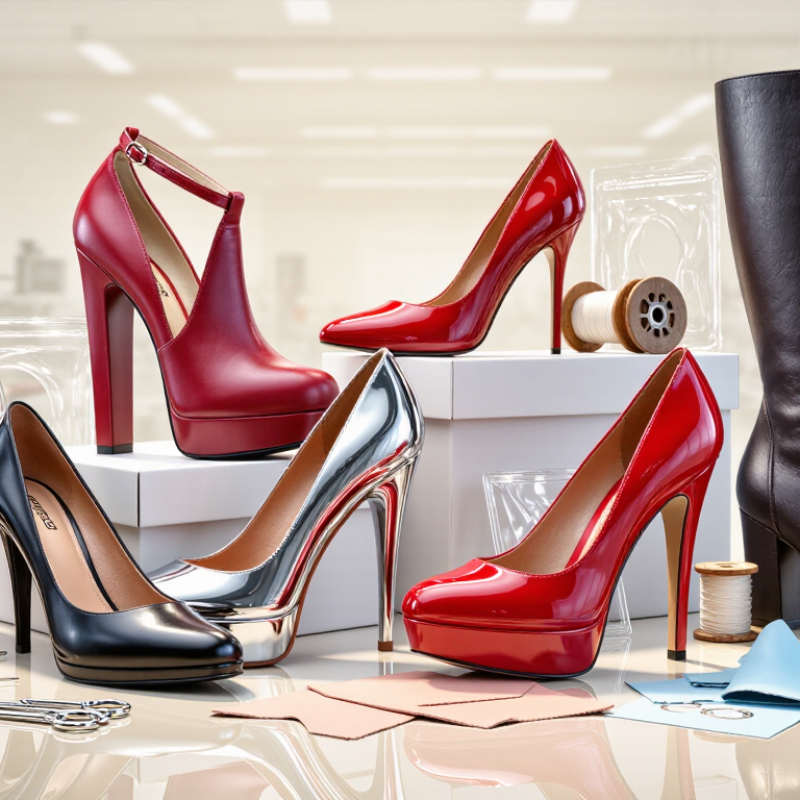
China Best High Heel Fashion Trends for Global Buyers?

China’s High Heel Market and Its Role in Global Fashion

China’s high heel market has become a practical force in global fashion. Its strength comes from flexible production, varied materials, and fast response to changing designs. In supplier reviews, buyers often examine leather grain, lining softness, heel balance, and outsole grip. Small details matter. A polished upper cannot fix an unstable heel.

Manufacturers across China serve different market positions, from everyday office shoes to dramatic runway-inspired styles. Many factories can adjust heel height, toe shape, color, and packaging for overseas buyers. This flexibility helps international retailers test seasonal collections without excessive delays. Comfortable High Heel Shoes are increasingly important, especially for consumers who walk, commute, and work for long hours. Buyers now ask about padded insoles, breathable linings, wider fittings, and tested heel construction. Style still attracts attention. Comfort keeps customers returning.

The market is not perfect. Some suppliers may emphasize appearance while giving less attention to long-term wear. Sample approval, material checks, and repeated walking tests should remain essential. I have found that a beautiful sample can change after mass production. That gap deserves careful control. Global buyers should also review factory communication, production consistency, and documented quality procedures. China’s role is therefore more than low-cost manufacturing. It connects design experimentation with scalable production, while its continuing challenge is building stronger trust through transparent quality and dependable performance.

Key Heel Styles Shaping China’s Current Fashion Trends

China’s current heel market is moving toward polished comfort, not extreme height. Statista Market Insights estimates China’s footwear market will exceed US$80 billion in 2025. That scale supports wider choices in lasts, materials, and price points. Euromonitor’s 2024 footwear analysis also identifies casualization and versatility as major consumer directions.

Comfort leads.

Block Heel Knee High Boots are gaining attention for their strong winter silhouette and steadier base. A three-to-five-centimeter heel works with tailored trousers, knit dresses, and short skirts. Slingback pumps with four-to-six-centimeter heels suit office dressing without looking too formal. Square-toe mules add a modern shape, while softly pointed pumps retain a sharper evening appeal. Metallic surfaces, mesh panels, and sculpted heels provide visual interest. Details matter.

China’s heel vocabulary is not uniform. A style popular in Shanghai may feel excessive in Chengdu or Shenzhen. The data is useful, but incomplete. CNNIC’s 54th Statistical Report recorded 915 million online shoppers in China, making product photography and fit information especially important for international buyers. Show heel height beside a ruler. Display the toe shape clearly. Explain calf width for knee-high designs. Buyers should also test color demand by region, because pale neutrals may photograph well but sell slowly in practical markets. Even trend-led assortments need flexible sizing and cautious inventory planning.

Materials, Colors, and Details in Chinese High Heel Design

For global buyers, Chinese high heel design is moving beyond glossy decoration. The World Footwear Yearbook 2024 reported that China produced 54.6% of global footwear in 2023. That scale supports faster material trials, but scale does not guarantee refinement. In sampling work, microfiber often gives cleaner edges and steadier color than low-grade synthetic leather. Smooth leather remains valued for breathability and aging, while recycled content can strengthen a sustainability story. Buyers should request composition, abrasion, colorfastness, and heel-flex test results. Textile Exchange’s Materials Market Report 2024 recorded recycled polyester at 12% of global polyester production in 2023. That figure is useful, but it does not prove every recycled upper performs well. Fit still decides.

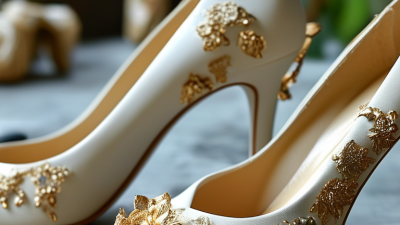
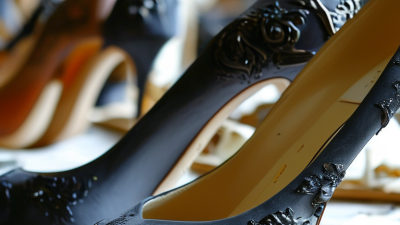
Color directions are becoming more commercial and less predictable. Black, cream, and burgundy support repeat orders, while icy blue, silver, and muted green create visual interest. Color systems should be checked under daylight, retail LEDs, and phone cameras. Details reveal manufacturing discipline. A 6–8 cm sculpted heel, padded topline, covered buckle, and reinforced toe can improve comfort without adding visual weight. Rhinestone placement needs a pull test; loose settings quickly damage customer confidence. McKinsey’s The State of Fashion 2025 notes continued consumer caution and value sensitivity, so dramatic details need a clear price reason.

I still question oversized ornaments. They photograph well, but may complicate packing and returns. Small errors become expensive at scale.

How Chinese Brands Balance Comfort, Quality, and Visual Appeal

China’s high heel fashion is gaining attention among global buyers who want beauty without sacrificing daily comfort.

Chinese product teams now study walking posture, foot width, and pressure points during development. The goal is practical elegance.

In supplier assessments, experienced teams measure heel stability, toe room, and outsole flexibility. They also test shoes on hard floors, not only soft showroom carpets. A 75-millimeter heel may look refined, but poor balance can quickly cause fatigue.

Cushioned insoles, flexible counters, and breathable linings improve the wearing experience. Small details matter. For High Heel Loafers, the upper should bend naturally while the heel remains firmly supported.

Stitching, glue lines, and surface finishing require repeated inspection.

Quality control becomes more reliable when suppliers keep written inspection records and compare samples against approved specifications.

Global buyers should request wear-test feedback, size charts, material details, and clear tolerance standards. Communication is part of quality. A factory may produce an attractive sample yet miss comfort during bulk production.

No process is perfect. Some designs still favor a dramatic silhouette over long-term wear, and that weakness deserves honest review. Buyers who combine visual judgment with physical testing can choose styles that feel polished on the shelf and steadier on the street.

Regional Manufacturing Hubs for High Heel Production in China

China’s high heel production is concentrated in several regional manufacturing hubs, each with different strengths. Wenzhou, Zhejiang, is known for structured women’s footwear and flexible small-batch development. Its factories often handle cutting, stitching, molding, and finishing under one roof. Buyers can inspect heel alignment, leather grain, and edge painting during sample reviews.

Huidong in Guangdong has strong experience in fashion footwear, especially dress shoes and High Heel Boots. Many workshops support quick design changes, decorative details, and varied upper materials. Guangzhou adds access to trading services, logistics, packaging, and professional product photography. A useful sourcing practice is to compare two factories using the same technical sheet. Small differences in toe shape can change comfort noticeably.

Jinjiang in Fujian offers mature shoe supply chains and reliable access to soles, rubber components, and sports-related materials. Chengdu also serves fashion footwear buyers, with skilled labor for detailed construction and trend-focused designs. Regional advantages are not permanent. Capacity, quality control, and communication can vary between neighboring factories. Buyers should request material certificates, heel fatigue tests, size-set samples, and written inspection standards. A polished sample is not enough. Production may still reveal uneven stitching, weak glue lines, or color variation under factory lighting. Suppliers should explain corrective actions clearly, even when the answer is inconvenient.

Factors Global Buyers Should Assess Before Choosing Suppliers

China Best High Heel Fashion Trends for Global Buyers?

Global buyers should assess suppliers beyond seasonal heel shapes and glossy catalogues. China remains a major footwear manufacturing hub, while the World Footwear Yearbook 2024 reported approximately 23.9 billion pairs produced worldwide in 2023. Scale helps, but it does not guarantee dependable quality. Request recent production samples, material specifications, factory capacity, and inspection records. A polished catalogue can still hide weak stitching.

Fit and durability need practical testing. Check heel attachment, sole bonding, slip resistance, color transfer, and comfort after repeated walking. Suppliers should provide test evidence aligned with applicable footwear standards, such as ISO 20344, plus material documentation for destination-market requirements. Ask how they control different sizes. A beautiful size 36 sample may not fit consistently in size 40. This detail is often missed.

Commercial reliability matters equally. Compare minimum order quantities, sampling fees, lead times, packaging protection, and replacement policies. The 2024 McKinsey State of Fashion report highlights continued pressure on margins and inventory discipline, making flexible replenishment increasingly valuable. Ask for the supplier’s historical defect rate, not only a promise of “strict quality control.” I would also review a small pilot order before committing to a seasonal volume. It costs more initially. It may prevent expensive returns later. One weakness remains: published market reports usually describe broad footwear categories, not high heels alone, so buyers should combine report data with factory audits, wear tests, and customer feedback.

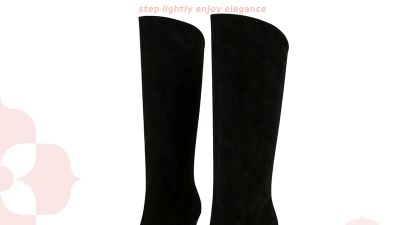
How to Style Black Quiet Suede Pointed-Toe High Heel Knee-High Boots for Effortless Elegance

Black suede pointed-toe knee-high boots are a reliable foundation for effortless elegance because their uninterrupted, dark silhouette visually lengthens the legs while adding a refined finish. The slim high heel brings definition without overwhelming an outfit, and the quiet sole technology makes them especially suitable for offices, galleries, and dinner settings where discreet movement matters. The Business of Fashion and McKinsey’s *State of Fashion 2025* report forecasts only 2–4% growth for the global fashion market, highlighting the value of versatile pieces that can move across occasions. These boots answer that need: wear them with tailored trousers tucked neatly inside, or pair them with a midi skirt for a graceful, elongated line.

For daytime polish, style the boots with a softly structured blazer, fine-knit top, and straight-leg trousers in charcoal, cream, or camel. The suede texture subtly softens sharper tailoring, while the pointed toe keeps the overall look precise. After work, exchange the blazer for a satin blouse or fitted dress, allowing the knee-high shaft to create a sleek transition from hemline to heel. According to the 2024 *State of Fashion: Luxury* analysis, consumers are placing greater emphasis on quality, versatility, and lasting wardrobe value; thoughtful styling helps one pair perform in more settings. Keep accessories streamlined—sculptural earrings, a compact leather bag, and minimal metal details—to let the boots’ quiet sophistication remain the focal point.

FAQS

Why is China important to the global high heel market?

China combines flexible production, varied materials, and fast design adjustments. Factories can modify heel height, toe shape, colors, and packaging. This helps buyers test seasonal collections with shorter delays.

What features make high heels more comfortable?

Look for padded insoles, breathable linings, wider fittings, and balanced heels. A soft lining can reduce pressure during long commutes. Comfort matters more than dramatic height.

Which heel styles are currently practical and fashionable?

Block heels, slingback pumps, square-toe mules, and softly pointed pumps remain versatile. A three-to-five-centimeter block heel offers better stability. Style still matters.

How should buyers evaluate a heel sample?

Check leather grain, lining softness, heel alignment, and outsole grip. Walk in the sample repeatedly. A polished upper cannot hide an unstable heel.

Which Chinese regions support high heel production?

Wenzhou supports structured footwear and small-batch development. Huidong is experienced with fashion shoes and decorative details. Guangzhou adds logistics, packaging, and product photography services.

What should buyers check before mass production?

Request material certificates, size-set samples, heel fatigue tests, and written inspection standards. Compare production samples with the approved sample. Small differences can become expensive problems.

Why do regional preferences matter when selling high heels?

A style popular in one city may feel excessive elsewhere. Test colors, toe shapes, and heel heights by region. Pale neutrals may photograph beautifully but sell slowly.

How can product information improve online sales?

Show the heel beside a ruler and display the toe shape clearly. Include measurements for calf width and shoe fit. Good photographs help, but they cannot replace accurate sizing.

What problems can appear during factory production?

Mass production may reveal uneven stitching, weak glue lines, or color variation. I have seen attractive samples change later. Buyers should demand clear corrective actions, even when the answer is uncomfortable.

Conclusion

China’s high heel market has become an important part of global fashion, combining efficient manufacturing with fast-changing design preferences. Current High Heel Fashion Trends include classic pumps, slender stilettos, block heels, platform styles, and practical low-heel designs that appeal to different markets. Chinese designers and manufacturers are also experimenting with materials, seasonal colors, textures, metallic accents, refined embellishments, and distinctive construction details to create shoes that are visually attractive and commercially adaptable.

For global buyers, product value depends on more than appearance. Reliable suppliers should demonstrate a balanced approach to comfort, quality, durability, sizing consistency, and production flexibility. Major manufacturing regions in China offer different strengths in design development, material sourcing, craftsmanship, and large-scale production. Before selecting a supplier, buyers should evaluate manufacturing capacity, sample quality, communication, customization options, quality-control procedures, lead times, packaging, and overall cost transparency. A careful assessment can help buyers build dependable sourcing relationships and select high heels suited to their target customers and sales channels.
Alexander

Alexander

Alexander is a dedicated marketing professional at Huidong Bingyuan Shoes Co., Ltd., a company that has been at the forefront of the footwear industry since its establishment in 2005. With a deep understanding of high heels, high-heeled sandals, and boots, Alexander plays a pivotal role in......
Previous Top 10 Factors Affecting High Heel Manufacturing Cost