Leave Your Message
0%

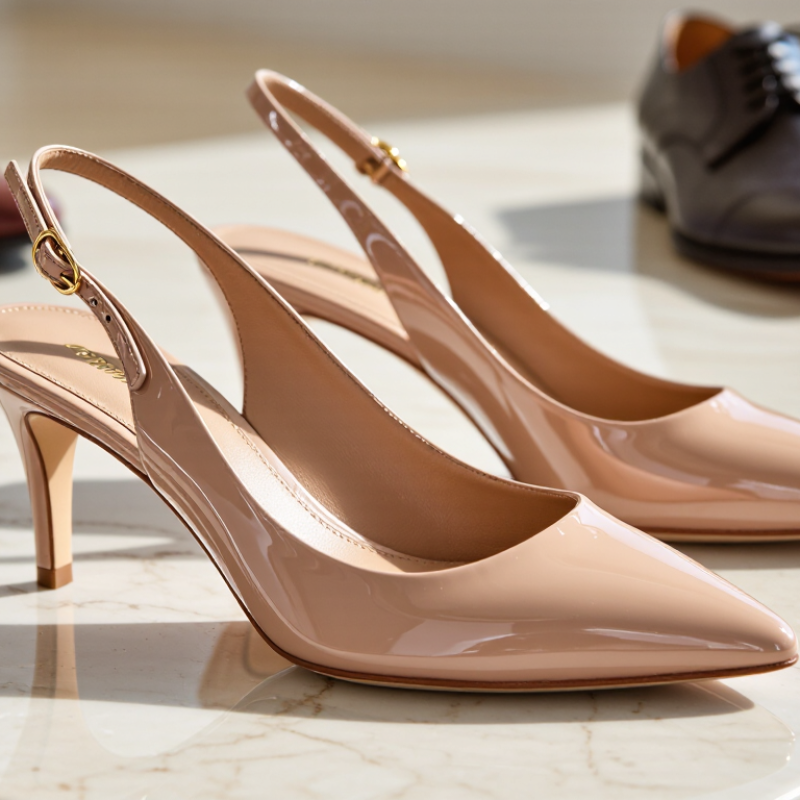
Slingback heels are making a strong comeback in 2026, but hey, style should never come at the expense of foot health. So, the big question is pretty straightforward: how should slingbacks really fit? Well, first off, the heel needs to sit snugly inside the back strap—no slipping when you’re walking normally. Your toes should have enough room to spread out, and the widest part of your foot should rest comfortably over the shoe’s broadest section. Now, a pointed toe can look super elegant, but it’s easy to overlook that it might squeeze your forefoot a bit too much—that tiny detail can make a big difference.

According to the American Podiatric Medical Association, about 77% of Americans have reported experiencing some kind of foot pain. High heels, especially if they're tight or unstable, can put extra pressure on the forefoot. Dr. Jacqueline Sutera, a podiatrist, mentioned, “The higher the heel, the more weight you put on the ball of your foot.” Her advice? Before you buy, try walking around on a firm floor for a few minutes. Watch out for signs like heel lift, pinching, sliding, or numbness—those are warning signs, not just minor annoyances.

The American Academy of Orthopaedic Surgeons also recommends choosing shoes that fit the shape of your foot and making sure there's enough space for your toes to move freely. That’s especially important for formal events, where sometimes comfort is sacrificed. Wide Fit Bridesmaid Shoes might give your forefoot more room, but simply widening the shoe doesn’t automatically mean it’ll be stable. A strap can still loosen up, and even a cushioned insole might hide some pressure spots. My own little trick? If the shoe feels “almost right,” don’t just settle—keep testing it. Our feet change throughout the day, and honestly, a pretty slingback should still feel pretty dependable after an hour of wear, not just at first try.
2026 Top Slingback Heels How Should They Fit?

What Are Slingback Heels and Why Does Fit Matter?

Slingback heels are shoes with an open back and a strap resting around the heel. Their design feels lighter than closed pumps, but it demands careful fitting. The strap should hold your heel without cutting into the skin. Your toes should lie flat, not grip the insole. Leave a small amount of space in front of the longest toe. Too much space can make your foot slide forward.

In my fitting experience, a heel that feels comfortable for two minutes may feel different after walking. I once chose a pair with a loose strap because the color looked perfect. My heel lifted with every step, and the front of my foot became sore. That small mistake changed how I judge slingbacks. Fit must support movement, not just appearance. Unlike Wide Fit Ankle Boots, slingbacks offer less structure around the foot. Their proportions matter more.

Tips: Try them on later in the day, when feet may be slightly swollen. Walk across a firm floor for several minutes. Check for strap pressure, toe crowding, and heel slipping. Test both shoes, since feet are rarely identical. Avoid sizing up automatically; a wider style may work better than extra length. Soft materials can relax, but they will not fix a badly shaped shoe. I still question “all-day comfort” claims without testing them personally.

How Should the Toe Box Fit?

2026 Top Slingback Heels: How Should the Toe Box Fit?

In 2026, slingback heels should frame the foot, not squeeze it. The toe box deserves close inspection. Your longest toe should sit about 10–12 millimeters from the front. This space follows common podiatric fitting guidance. Measure while standing, because feet lengthen under body weight. Try both shoes. Feet are rarely identical.

The American Podiatric Medical Association’s Women’s Foot Health Survey reported that about 77% of women had experienced foot pain. That figure makes a narrow toe box worth questioning.

Your toes should rest naturally, without overlapping or pressing against the upper. The widest part of your forefoot should match the shoe’s widest area.

A pointed shape may look elegant, but it can compress the smaller toes. The fit should feel calm.

Walk for several minutes on a firm floor. Check whether your toes grip to prevent slipping. That often signals poor support or an unstable fit. Also test a few steps downhill. Your toes should not slam into the front.

Slingbacks create another challenge: a loose strap may push your foot forward, while a tight strap can irritate the heel.

I would not trust a mirror alone. Comfort can still change after ten minutes. My own fitting mistake was choosing the larger size when width was the real problem. A wider toe box would have worked better.

How Can You Check Heel and Arch Support?

2026 Top Slingback Heels: How Should They Fit?

A well-fitted slingback should feel secure before it feels stylish. The heel must stay centered, without lifting or sliding during each step. A stable heel counter should hold the rear foot gently, not press the Achilles tendon. The strap should support the shoe, not rescue a loose fit.

The American Podiatric Medical Association has reported that 71% of women experience footwear-related foot pain. That figure makes a careful fitting worthwhile.

I still find small differences between feet, so testing both shoes matters.

Check arch support by standing naturally for one minute. The shoe’s arch should meet your foot’s curve, without creating a hard pressure point. Walk on a firm floor, turn, and rise onto your toes. Notice whether your arch collapses or your heel wobbles. A moderate heel often feels steadier, but comfort depends on ankle control and foot shape. The same test helps when comparing Wide Fit Knee High Boots, although boots provide more ankle coverage.

Tips: Fasten the strap on the middle setting. Walk for five minutes. Your heel should remain stable. Check for red marks after removing the shoes. Try them late in the day, when feet may swell slightly. Do not trust a quick mirror check. It misses movement. If pain continues, a podiatric assessment can clarify whether the problem comes from fit, structure, or walking mechanics.

What Should the Slingback Strap Feel Like?

2026 Top Slingback Heels: How Should They Fit?

The slingback strap should feel secure, not restrictive. It should rest comfortably around your heel without pressing into the Achilles tendon. You should be able to slide one fingertip beneath it. Two fingers may indicate excessive looseness. A slightly moving strap is normal, but it should not fall below your heel while walking. Test the shoes on a firm floor, not only on soft carpet.

Walk for several minutes. Notice whether the strap shifts, twists, or rubs the skin. Your heel may lift slightly, especially with a flexible sole. However, repeated slipping can cause blisters and unstable steps. The strap should keep the shoe aligned as your foot bends. Check the fit later in the day, when feet commonly swell. This often reveals pressure hidden during morning shopping.

I once tightened a slingback too much because the heel kept slipping. The result was numbness near my ankle. That was not a better fit. It was a warning.

Adjust the buckle gradually, then walk again. If the strap leaves deep red marks after a short try, choose another size or shape. Elastic panels should stretch gently, not pull constantly. Bare skin also needs attention; smooth edges and soft lining can matter as much as the measurement.

How Do You Test Fit While Walking?

When testing slingback heels, do not judge them while seated. Walk for at least ten minutes on a clean, firm floor. Take normal steps, turn sharply, and climb a few stairs. Your heel should stay inside the back strap without dragging or popping out. A small movement is normal. Repeated slipping is not.

Notice where your foot moves. Your toes should lie flat, not grip the sole for balance. Check for pinching across the widest part of your foot. The strap should feel secure, but it should not leave deep marks. Try both shoes, because feet rarely match perfectly. Wear the socks or hosiery you expect to use. I once tested heels with thin socks, then regretted the tight fit during a long evening.

Walk on both carpet and a harder surface if the store allows it. Listen for uneven tapping, which can reveal unstable steps. Pause for one minute, then walk again. Discomfort that appears later deserves attention. Do not rely on stretching alone. A heel that feels loose may cause rubbing, while a tight toe box can create pressure with every step. The fitting logic also applies when comparing Ladies Wide Fit Ankle Boots, although their ankle support changes the walking sensation. Your natural stride matters more than a motionless mirror check.

Which Materials and Heel Heights Improve Comfort?

Comfortable slingback heels begin with materials that move gently with the foot. Soft leather usually becomes more flexible after several wears. Suede can feel smoother around the heel, but it needs careful maintenance. Textile uppers may offer airflow during warm days. Avoid stiff, glossy materials that crease sharply against the toes. Fit matters more. A breathable lining can reduce heat and rubbing, while a lightly cushioned insole supports everyday walking. However, excessive padding may make the shoe feel tight. That detail is easy to miss.

Heel height changes pressure, balance, and walking confidence. For regular office wear, a two-to-five-centimeter heel often feels more manageable than a high, narrow heel. A wider block heel distributes weight more evenly. A modest wedge can also improve stability on uneven pavements. Very low heels are not automatically comfortable. Poor cushioning or a rigid sole can still cause fatigue. I learned this after choosing a flat slingback that looked practical but felt harsh by lunchtime.

Check the fit in the afternoon, when feet are naturally slightly larger. The strap should hold the heel without cutting into the skin. Your toes should lie flat, not press against the front. Walk across a hard floor for several minutes. Listen to your feet. Small details matter. If the heel slips repeatedly, changing materials or height may not solve the problem; the shape may simply be wrong for your foot. A fitting professional can assess that more reliably than appearance alone.

How Can You Confirm the Right Size and Fit?

Choosing Slingback Kitten Heels starts with measuring both feet, not trusting your usual size. Feet often swell by late afternoon, so measure then. Stand on plain paper and trace each foot carefully. Compare the longer foot with the shoe’s size chart. Every foot differs.

Wear the hosiery or socks you plan to use with the heels. Your toes should rest flat, with about 10 to 12 millimeters of space beyond the longest toe. They should not touch the front while walking. The heel strap may move slightly, but it should not drop below your heel. Adjust it so two fingers fit comfortably underneath. Too tight causes pressure. Too loose causes slipping.

Walk on a clean, hard floor for several minutes. Take short steps, turn, and climb a few stairs if possible. Watch for rubbing near the strap, pinching across the toes, or unusual foot movement. A fitting specialist usually checks both standing comfort and walking stability. I once judged a pair by sitting down, then regretted it after ten minutes of walking. That mistake still matters. Check for creasing, numbness, and heel movement before keeping the shoes. A comfortable fit should feel secure immediately, without needing painful “breaking in.”

2026 Top Slingback Heels: How Should They Fit? How Can You Confirm the Right Size and Fit?
Fit Dimension Recommended Fit Standard How to Confirm the Fit Common Signs of the Wrong Size
Foot Length The longest toe should have approximately 10–12 mm of space in front of the shoe. Measure both feet while standing, wearing the type of hosiery you expect to use. Use the longer foot measurement when checking the size chart. Toes touch the front, curl downward, or feel compressed when walking.
Toe Shape and Front Fit Toes should lie naturally without being forced together or pressed against the upper. Stand and walk for several minutes. Check that the toe box allows natural movement without pressure on the nail or joints. Numbness, tingling, blisters, rubbing, or visible toe bulging through the upper.
Forefoot Width The widest part of the foot should sit comfortably within the widest part of the shoe. Check the shoe while standing, when the foot is slightly wider than when seated. The upper should touch the foot without creating painful pressure. Side bulging, persistent red marks, burning sensations, or the foot spilling over the edge of the sole.
Heel Position The heel should remain centered on the footbed with only minimal movement during normal steps. Walk on a firm, level surface. A small amount of initial movement can occur, but the heel should not repeatedly lift out of the shoe. Repeated heel slipping, rubbing at the back of the foot, or the shoe coming off during a step.
Slingback Strap The strap should hold the heel securely without cutting into the skin or sliding below the heel. Adjust the strap while standing. You should be able to insert one fingertip under it without creating a loose gap. The strap slides down, twists, leaves deep marks, or requires excessive tightening to keep the shoe on.
Instep and Upper The upper should stay in place while allowing comfortable circulation and natural foot movement. Flex the foot and take several steps. Confirm that the upper does not press painfully on the instep or collapse against the toes. Pressure points, swelling, deep marks, or the foot sliding forward into the toe area.
Arch and Footbed The arch area should feel supported without a hard edge pressing into the arch. Stand for at least five minutes and walk on both hard and carpeted surfaces. The foot should feel balanced across the footbed. Arch soreness, uneven weight distribution, or rapid foot fatigue.
Heel Height Stability The heel should feel stable, and the foot should not slide sharply forward when standing or walking. Walk slowly, turn, and stop. Keep the knees relaxed and check whether the heel remains aligned beneath the body. Ankle wobbling, forward sliding, excessive pressure on the forefoot, or difficulty maintaining balance.
Sole Edge and Foot Placement The entire foot should rest within the sole perimeter without excessive overhang. Look at the shoe from above and from the side while standing. The heel and forefoot should remain centered on the outsole. The heel or forefoot extends beyond the sole, or the foot shifts sideways while walking.
End-of-Day Comfort The fit should remain comfortable after normal daily foot expansion. Try on both shoes later in the day, preferably after ordinary activity. Compare comfort with the morning fit. A fit that feels acceptable early in the day becomes tight, numb, or painful later.
Size-Chart Accuracy Choose the size based on the seller’s measured foot-length chart rather than a numerical size alone. Measure from the back of the heel to the longest toe in millimeters or centimeters and compare the result with the specific size chart. Relying only on a familiar size number when the new shoe has a different shape, width, or sizing system.
Break-In Expectation The shoe should feel comfortable immediately; minor material softening may occur, but length should not increase substantially. Wear the shoes indoors for short periods before outdoor use. Test the strap, heel grip, and pressure points each time. Expecting severe tightness, painful rubbing, or insufficient length to disappear with wear.
Practical decision rule: If the length is correct but the width is tight, look for a wider fit or a different toe shape rather than choosing a much longer size. If the slingback strap is loose while the front fits correctly, use the available adjustment first; persistent slipping usually indicates a shape or fit mismatch. Fit preferences vary by foot shape, heel height, materials, and construction, so comfort and secure walking should take priority over the size label.

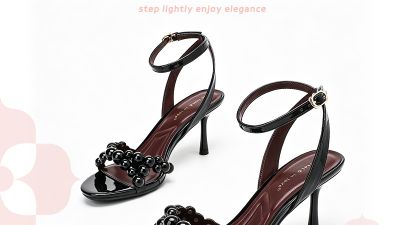
Black Beaded Ankle-Strap Heels: A Style Guide Based on Grand View Research’s 2024 Footwear Market Report

Black beaded ankle-strap heels reflect the footwear market’s growing interest in statement designs that combine visual appeal with practical wearability. In the context of themes highlighted by Grand View Research’s 2024 footwear market report, shoppers are increasingly drawn to fashionable occasion shoes that offer distinctive details, adaptable styling, and improved comfort. These open-toe sandals meet that demand with glossy black patent leather and polished bead clusters, creating a refined finish that catches the light without overwhelming an outfit.

The slim stiletto heel gives the silhouette an elegant lift, while the ankle strap provides a secure, graceful fit. A contoured padded insole helps reduce foot soreness during extended wear, making the shoes suitable for cocktail parties, date nights, receptions, and other evening events. The silent outsole is another thoughtful feature, allowing smooth movement without the sharp tapping often associated with dress heels.

For styling, pair them with a satin midi dress, tailored evening separates, or streamlined black trousers to emphasize their sleek shape. The bead detailing also adds texture to minimalist outfits, while the open toe keeps the overall look light and modern. Their black color makes them easy to coordinate with metallic jewelry, jewel-toned clothing, or understated monochrome ensembles.

FAQS

How should a slingback heel fit around the heel?

The heel should stay centered while walking. It should not lift, slide, or wobble. The rear counter should feel supportive, not painful. A secure fit matters more than appearance.

How can you test arch support?

Stand naturally for one minute. The arch should meet your foot’s curve without a sharp pressure point. Walk, turn, and rise onto your toes. Notice any collapsing arch or unstable heel.

How much space should remain near the toes?

Leave about 10 to 12 millimeters beyond the longest toe. Your toes should lie flat. They should not touch the front during walking. More space is not always better.

How should the heel strap be adjusted?

Fasten it on the middle setting. Two fingers should fit comfortably underneath. A loose strap cannot fix an oversized shoe. A tight strap may leave red marks.

When should you measure your feet?

Measure both feet late in the afternoon. Feet can swell during the day. Compare the longer foot with the size chart. Your usual size may be wrong.

What should you wear during a fitting?

Wear the hosiery or socks planned for regular use. Fabric thickness can change the fit. Try both shoes, because feet rarely match perfectly. Small differences matter.

How long should you walk before deciding?

Walk on a clean, hard floor for about five minutes. Take short steps, turn, and climb a few stairs. Sitting is not enough. I once made that mistake.

What signs mean the shoes do not fit well?

Watch for toe pinching, strap rubbing, numbness, creasing, or heel movement. Remove the shoes and inspect your skin. Persistent pain deserves professional assessment. Do not force painful breaking in.

Conclusion

Finding the right fit is essential for comfort, balance, and confident movement. How Should Slingback Heels Fit? The toe box should allow your toes to rest naturally without squeezing, overlapping, or pressing against the front. Your heel should stay securely in place, while the arch should feel supported rather than strained. The slingback strap should be snug enough to prevent slipping but never tight enough to leave painful marks or restrict circulation.

Fit should also be tested while walking, since shoes may feel different in motion. Check for rubbing, heel movement, pressure points, and instability on each step. Soft, flexible materials can improve comfort, while a moderate heel height generally offers better support for extended wear. To confirm the correct size, try both shoes at the end of the day, wear the type of socks or hosiery you expect to use, and compare how each foot feels. A well-fitting pair should feel secure immediately without requiring a lengthy adjustment period.
Evelyn

Evelyn

Evelyn is a dedicated marketing professional with extensive expertise at Huidong Bingyuan Shoes Co., Ltd., where she has been instrumental in driving the company's growth since its inception in 2005. With a keen eye for detail and a passion for fashion, she specializes in the promotion of high......
Previous China Best High Heel Fashion Trends for Global Buyers?