Leave Your Message
0%

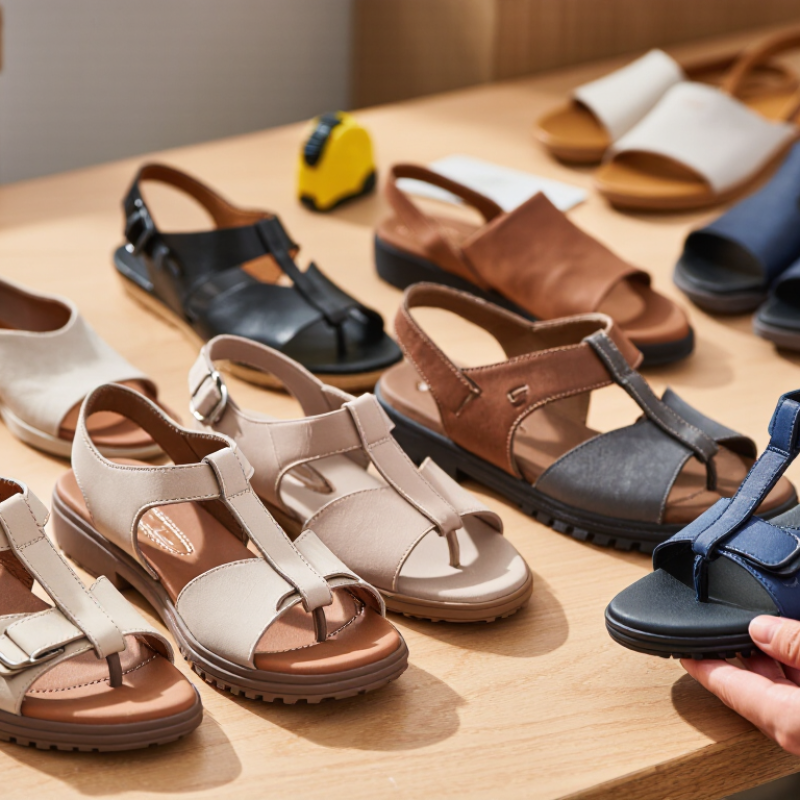
Buying open toe footwear wholesale isn’t just about comparing prices in a catalog. Honestly, a low cost per pair can be misleading — it might hide things like weak stitching, inconsistent sizing, or pricier packaging fees. Seasoned buyers usually take a good look at samples in natural light, checking every detail. They’ll scrutinize the upper material, test how comfy the toe post is, assess the grip of the outsole, stability of the heel, and the finishing around the edges. Little things really do matter — a loose strap, for example, can lead to quick returns.

I’ve got a few tips that can help you make smarter wholesale decisions. Things like checking how experienced your supplier is, getting approval on samples, understanding material specs, paying attention to size grading, and making sure minimum order amounts make sense. It’s also super important to inspect the quality thoroughly and confirm shipping terms upfront. Good suppliers should be transparent about their production timelines, and provide consistent photos, testing info, and clear product specs. Don’t forget to ask about how many pairs go into each carton, and whether color shades might vary between batches. Asking these questions early on can really reveal any weak spots.

And hey, don’t judge open toe footwear just by how it looks. A super soft insole might feel nice during a quick test, but after some use, it could compress — not so great. It’s a smart move to request samples in different sizes and walk around on various surfaces to really get a feel. Before moving into full production, compare the sample with your approved specs — measurements, materials, colors, packaging — keep good records. No checklist is foolproof, though; I’ve seen promising samples fail inspection later on, which is why a second review can save you a lot of trouble. Careful sourcing isn’t just about protecting your margins — it builds trust with customers and helps maintain your brand's reputation over the long haul. Plus, it helps you pick styles that match seasonal demand without sacrificing quality. It’s definitely worth taking the time to do it right.
7 Tips for Buying Open Toe Footwear Wholesale

Understanding Open-Toe Footwear Types and Wholesale Categories

7 Tips for Buying Open Toe Footwear Wholesale

Tip 1: Identify the product type before comparing prices. Open-toe footwear includes flat sandals, slides, wedges, mules, peep-toe pumps, and platform styles. Each category serves a different buying occasion. Slides suit quick errands. Wedges support resort and event collections. Peep-toe pumps remain more polished. A category sheet can still mislead, because some styles overlap.

Tip 2: Match categories with customer demand. The World Footwear 2024 Yearbook reports that global footwear production fell 6.1% to 22.4 billion pairs in 2023. This signals tighter inventory decisions. Grand View Research estimates the global footwear market may grow at about 4.3% annually through 2030. For Women Casual Footwear, start with core neutrals, then test brighter seasonal colors. Fashion changes fast.

Tip 3: Check construction, not only photographs. Inspect toe coverage, strap stitching, footbed support, outsole grip, and edge finishing. Ask for physical samples. Thin straps can cut into skin after several hours. Tip 4: Review wholesale categories by use, material, and price tier. Casual, resort, dress, comfort, and occasion groups need separate size plans. Synthetic leather, microfiber, canvas, and rubber create different cost expectations.

Tip 5: Calculate landed cost before ordering. Include packaging, freight, duties, defects, and exchange losses. Tip 6: Request a size-run breakdown and a clear minimum order quantity. An inexpensive sample may hide inconsistent sizing. Tip 7: Test wearability with real movement. Walk on tile, pavement, and stairs. I would revise any buying decision after one uncomfortable fitting. Comfort claims need evidence. Past sales data helps, but it cannot replace a physical inspection.

Defining Your Target Customers and Seasonal Product Needs

Buying open-toe footwear wholesale starts with knowing exactly who will wear it. A beach resort shopper wants lightweight slides, quick-drying materials, and simple colors. An office commuter may prefer supportive wedges, secure straps, and polished finishes. Ask your sales team about common sizes, fitting complaints, and repeat purchase patterns. Real customer conversations often reveal more than broad market reports.

Keep a customer profile beside your buying sheet. Note age range, lifestyle, climate, spending level, and preferred heel height. A family-focused store may need durable sandals in extended sizes. A fashion-led shop may need smaller quantities with fresh textures and brighter shades.

I once overestimated demand for delicate flat sandals because the photos looked attractive. Returns showed a different problem: customers wanted stronger soles for daily walking. That mistake changed my fitting checks.

Seasonal planning should follow local weather, not a generic calendar. Order breathable styles before warm temperatures arrive, then test demand with limited quantities. In rainy regions, textured footbeds and secure straps may outperform thin, decorative designs. For transitional months, neutral colors and adjustable uppers can serve more customers. Review sell-through weekly, especially during the first four weeks. Slow movement is a warning. It may signal poor timing, incorrect sizing, or weak product descriptions. Keep room for reorders, but avoid filling every shelf too early. Seasonal demand is predictable only until it changes.

Evaluating Materials, Construction, Comfort, and Size Options

Buying open toe footwear wholesale requires more than checking attractive photos. Start with the materials. Genuine leather, microfiber, and textile uppers feel different under pressure, while synthetic materials may vary in flexibility. Ask for swatches when possible. Rub the surface lightly and inspect color transfer, loose fibers, or a strong chemical smell. A soft lining can reduce friction around the toes, but softness alone does not guarantee durability.

Examine construction closely. Stitching should remain even around straps and toe openings, with no skipped threads. Press the sole near the arch and bend it gently. It should flex without folding sharply or separating from the upper. Check the insole thickness, heel stability, and outsole grip on a smooth floor. Casual Footwear often faces long hours of walking, so comfort testing matters. I once judged a sandal by its padded insole and overlooked a rigid strap edge. That decision was wrong.

Size options can decide whether a wholesale order performs well. Request measurements for length, width, toe-box depth, and adjustable strap range. Compare several samples, not just one size. Feet can swell during warm weather, especially after extended wear. A narrow opening may look elegant but create pressure by afternoon. Keep a fit record for each sample. It may seem excessive, yet small measurement errors can create costly returns. I still question whether one standard size chart is enough for every market.

Comparing Wholesale Suppliers, Prices, and Minimum Order Quantities

When buying open toe footwear wholesale, compare suppliers beyond catalog photos. Request material details, size charts, production timelines, and recent sample pairs. Ask for samples. Check stitching, sole flexibility, edge finishing, and comfort after several hours. For Low Heel Footwear, inspect heel stability and walking balance. A supplier with clear specifications is easier to evaluate than one offering vague promises. I once underestimated packaging quality, and crushed boxes created extra work before selling.

Wholesale prices should be compared through landed cost, not unit price alone. Add sampling fees, packaging, freight, import duties, and payment charges. Ask whether prices change at 100, 300, or 1,000 pairs. Request written quotations with validity dates. Cheap pairs may use thinner insoles or inconsistent sizing. That difference can increase customer returns. Review defect allowances and replacement procedures before making payment. Numbers can mislead.

Minimum order quantity directly affects cash flow and storage space. Compare MOQ per color, size range, and style. A 300-pair MOQ may sound manageable, but six colors could require 1,800 pairs. Negotiate a mixed-size assortment or a small trial order. Confirm production capacity, inspection timing, and communication response. Suppliers should explain delays honestly. Test one purchase cycle before scaling. My own mistake was choosing a lower MOQ without checking replenishment speed.

Checking Samples, Quality Standards, and Supplier Reliability

Buying open toe footwear wholesale requires more than comparing catalog prices. A sample should reveal comfort, construction, and consistency. Check the footbed after eight hours of wear. Examine exposed edges, strap stitching, buckle movement, and outsole bonding. For Office Footwear, walk across tile and carpet. Note pressure near the toes. A beautiful sample can still fail during daily use.

The World Footwear Yearbook 2024 reported approximately 23.9 billion pairs produced globally in 2023. That scale makes supplier controls essential. Request samples from the exact production line, not only showroom pieces. Measure several pairs in the same size. Compare length, width, color, and weight. Use ISO 2859-1 sampling guidance when creating an acceptance plan. Set practical AQL limits for loose threads, uneven glue, stains, and size variation. I have seen buyers overlook tiny defects that became expensive bulk problems.

Supplier reliability needs evidence, not confident promises. Review recent inspection records, production capacity, material traceability, and corrective-action history. Ask how delays are reported and how rejected goods are replaced. The 2023 NRF and Appriss Retail report estimated that 14.5% of U.S. retail sales were returned. Fit issues can contribute to that burden. Keep a signed sample, measurement sheet, and approved color standard. My own process is not perfect; rushed approvals still happen. A second inspection before shipment is worth the uncomfortable pause.

Planning Orders, Shipping, Storage, and Wholesale Risk Management

7 Tips for Buying Open Toe Footwear Wholesale

Plan orders around real sales evidence, not optimistic guesses. The World Footwear Yearbook 2024 reported about 22.4 billion pairs were produced globally in 2023. That scale makes excess inventory expensive. Start with a smaller trial order. Compare sizes, colors, materials, and regional demand. Keep a reorder threshold for fast-moving styles. I sometimes overestimate seasonal demand, so a written forecast review is necessary.

Confirm carton dimensions before shipment. Open toe footwear can lose volume when packed poorly. Request photos of inner packing, labels, and pallet loading. Use moisture-resistant wrapping when sea freight crosses humid routes. The United Nations Conference on Trade and Development reported continued disruption risks in maritime transport during 2023 and 2024. Build buffer time into delivery dates. Do not promise a launch date based only on the supplier’s best estimate.

Store cartons on pallets, away from walls and direct sunlight. Check for odor, moisture, crushed boxes, and sole discoloration every week. Record the inspection with dated photos. The National Retail Federation estimated that 14.5% of U.S. retail sales were returned in 2023. Confirm return allowances, defect definitions, payment milestones, and inspection rights before ordering. Use a purchase contract and independent pre-shipment checks where practical. Cheap goods are not always low risk. I still need to improve my contingency budget. Keep alternative freight options and reserve cash for delays, defects, or sudden demand changes.

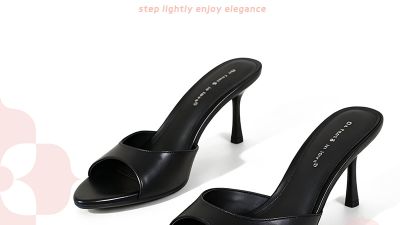
How to Style Black Quiet Pointed-Toe Mule High Heel Sandals for Elegant Everyday Looks

Black pointed-toe mule high heel sandals make polished everyday dressing remarkably simple. Their smooth satin finish adds subtle texture, while the slip-on silhouette makes rushed mornings and office transitions effortless. According to Grand View Research, the global footwear market was valued at approximately $467.8 billion in 2023, reflecting continued demand for versatile shoes that move between occasions. This pair answers that need with a slim stiletto heel, refined pointed toe, and quiet sole technology that minimizes distracting clicks in offices, libraries, restaurants, and other low-noise spaces.

For work, style the sandals with tailored black trousers, a softly fitted blouse, and a structured blazer for a clean monochrome look. To create visual balance, choose cropped trousers or a midi skirt so the pointed toe remains visible and the ankle looks elongated. Neutral shades such as ivory, camel, gray, and navy allow the black satin to anchor the outfit without appearing severe. A small leather tote and understated jewelry keep the ensemble professional while preserving its elegant proportions.

For dinners or dates, pair the mules with a satin camisole and wide-leg trousers, or wear them beneath a streamlined slip dress. The contrast between soft fabric and sharp footwear creates a modern, evening-ready finish. For a relaxed daytime interpretation, combine them with straight-leg denim, a fine-knit top, and a long lightweight coat. Since market research from Allied Market Research identifies growing interest in comfortable, adaptable women’s footwear, the quiet construction and easy slip-on design make these heels especially practical for styling from desk hours to after-work plans.

FAQS

What should I compare when choosing a wholesale open-toe footwear supplier?

Compare material details, size charts, production timelines, and recent samples. Clear specifications matter. Vague promises create avoidable risks.

Why should I request samples before placing a bulk order?

Samples reveal comfort, stitching, sole flexibility, edge finishing, and sizing consistency. Wear them for several hours. A beautiful sample may still hurt near the toes.

How can I evaluate footwear comfort during sample testing?

Walk on tile and carpet, then check pressure near the toes. Inspect the footbed after eight hours. Comfort needs real use.

What details should I inspect on each sample pair?

Check strap stitching, buckle movement, outsole bonding, exposed edges, color, weight, and overall shape. Measure several pairs in one size. Small defects can become expensive later.

How should I compare wholesale footwear prices?

Calculate landed cost, including samples, packaging, freight, duties, and payment charges. Ask for written quotations with validity dates. Unit price alone misleads.

Can a cheaper pair create higher business costs?

Yes. Thin insoles or inconsistent sizing may increase returns and customer complaints. Review defect allowances and replacement procedures before payment. Cheap is not always efficient.

How does minimum order quantity affect a footwear purchase?

MOQ affects cash flow, storage space, and inventory risk. A 300-pair order across six colors becomes 1,800 pairs. That grows quickly.

How can I reduce the risk of a large minimum order?

Request mixed-size assortments or negotiate a small trial order. Check MOQ by color, size range, and style. Test one purchase cycle before scaling.

How can I judge supplier reliability before increasing orders?

Review inspection records, production capacity, material traceability, and corrective-action history. Ask how delays and rejected goods are handled. Trust evidence, not confidence.

What quality controls should I create for bulk footwear?

Keep a signed sample, measurement sheet, and approved color standard. Use practical acceptance limits for loose threads, glue, stains, and size variation. A second inspection helps.

Conclusion

Buying Open Toe Footwear wholesale requires more than choosing attractive styles. Start by understanding the main categories, such as sandals, slides, wedges, and dress-oriented designs, then match them to your target customers, climate, and seasonal demand. Consider how customers will use the products and select materials, construction methods, comfort features, and size ranges that support both appearance and practical wear. A balanced product assortment can help reduce unsold inventory while meeting different preferences and budgets.

When comparing wholesale suppliers, review unit prices, minimum order quantities, customization options, and payment terms. Request samples before placing a large order, and check stitching, sole strength, finishing, fit consistency, and packaging quality. Supplier communication, production capacity, delivery records, and willingness to resolve problems are also important indicators of reliability. Finally, plan purchasing schedules, shipping arrangements, storage space, and quality inspections carefully. Setting a realistic budget and preparing for delays, damaged goods, or changing seasonal demand can reduce risk and support more stable wholesale operations.
Alexandra

Alexandra

Alexandra is a seasoned marketing professional with a deep passion for the footwear industry, particularly in high heels and fashion footwear. With a background that intertwines creativity and analytical skills, she has been instrumental in driving the brand's narrative since its inception in 2005.......
Previous 2026 Best High Heel Manufacturing Lead Time Guide