Looking ahead to 2026, buyers are hoping for clearer schedules, more accurate costs, and fewer surprises when it comes to footwear manufacturing. The lead time for high heel production really depends on a bunch of factors—like how complex the design is, what materials you’re using, the order volume, and the factory’s capacity. For example, a simple pump might be produced much faster than a more intricate style. When it comes to Thigh High Heel Boots, they often require extra fitting, stitching, hardware details, and thorough packaging checks—things that can stretch out the timeline sometimes.
This guide walks you through each stage of the process—from sketching and prototypes to selecting materials and final inspections. The focus here is on real-world factory experience, not just optimistic promises. A good production schedule should clearly outline sampling, confirmations, bulk production, quality checks, and shipping preparations. Little details really add up—like if the heel mold gets delayed, it can throw off the entire timeline.
Reliable suppliers usually have their specs confirmed in writing, and they’ll identify potential risks before they even accept your order. Experienced teams will review things like heel height, outsole styles, upper material choices, color matching, and sizing. Doing these checks upfront helps cut down on rework later. But, let’s be honest—no schedule is bulletproof. Things like weather issues, material shortages, machine breakdowns, or late feedback can easily push things back.
It's important to acknowledge this uncertainty honestly. Some factories might offer seemingly quick lead times but have little proof of their track record, while others might take longer but prove their quality and reliability through past work. When comparing options, look at their records, how well they communicate, the accuracy of their samples, and their inspection processes. This guide aims to give you a realistic way to evaluate those differences. It also highlights the importance of regular progress updates, documented approvals, and building in reasonable buffers—after all, the goal isn’t just to promise fast turnaround, but to have a dependable, smooth journey from idea to finished heels.
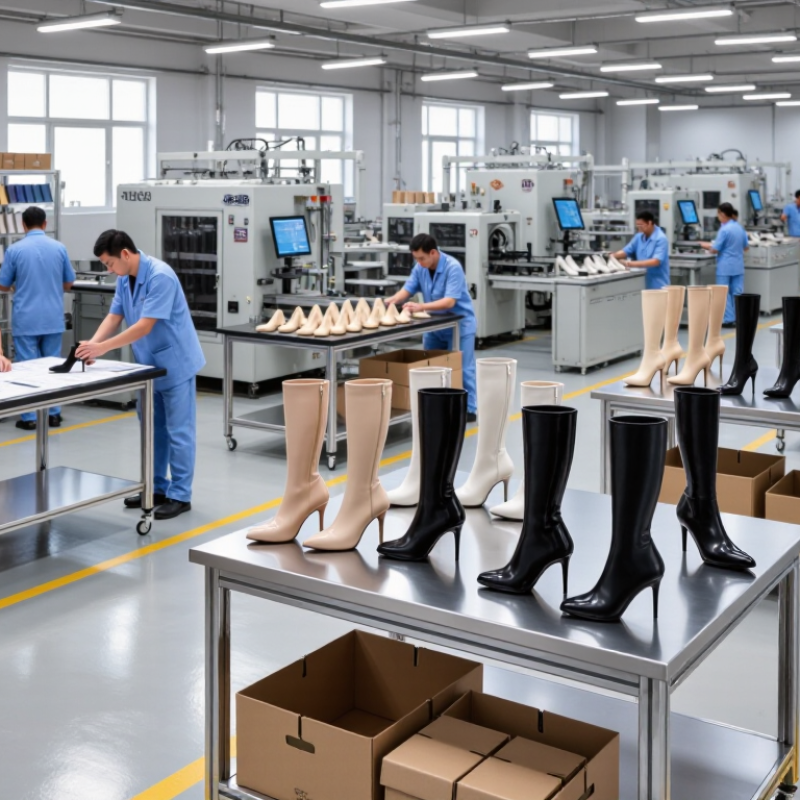
High Heel Manufacturing Lead Time: Key Definitions and Timeframes
2026 Best High Heel Manufacturing Lead Time Guide
High heel manufacturing lead time means the period from approved specifications to finished goods ready for shipment. It is not the same as production time. Sampling, material sourcing, fitting, quality inspection, and transport must be measured separately.
A standard development sample
usually needs 7–14 days.
Material confirmation
may require another 10–25 days.
Bulk production
commonly takes 30–60 days after approval, depending on design complexity and order volume.
The 2024 World Footwear Yearbook reported global footwear production of about 23.9 billion pairs in 2023. This scale increases pressure on material capacity and factory scheduling. For high heels, metal accessories, molded soles, and special finishes can add 10–20 days.
Comfortable High Heel Shoes
also need careful fitting checks, because heel height changes pressure distribution and walking stability. A rushed fit test can create costly returns later.
Shipping time deserves its own line in the schedule. UNCTAD’s Review of Maritime Transport 2024 states that maritime transport carries over 80% of world merchandise by volume. Ocean freight may take 25–45 days on many routes, excluding customs clearance. Air freight is faster, but costs more.
These ranges are practical estimates, not promises. Factories still misjudge approval delays, especially when comments arrive in scattered messages. A more reliable plan sets one approval deadline, keeps buffer stock for critical materials, and reviews lead time after every production cycle.
How to Plan a High Heel Production Schedule in 2026
Planning a high heel production schedule in 2026 starts with realistic dates, not optimistic promises. A standard development cycle often needs 8 to 12 weeks before bulk production begins. This includes design review, last approval, material testing, sample corrections, and wear evaluation. Keep a written approval trail. Small delays become expensive later. For Block Heel Knee High Boots, shaft measurements and fitting tests may add another two weeks. These details deserve early attention.
Build the schedule backward from the confirmed delivery date. Reserve time for pattern grading, cutting, stitching, lasting, finishing, and final inspection. Confirm production capacity before releasing the purchase order. Ask about active production lines, holiday closures, and component arrival dates. Do not assume every component arrives together. Soles may arrive early, while buckles or lining materials remain delayed. A weekly supplier check can expose this risk before assembly begins.
Use a milestone sheet with one owner and one approval date for every task. Add a 10 to 15 percent buffer for rework, transport changes, and inspection findings. That buffer is not wasted time. In my experience, rushed corrections often create uneven stitching, loose heels, or inconsistent sizing. One weak point remains: forecasts can change after sampling. Review the plan weekly, document each revision, and avoid moving quality checks simply to protect a target shipment date. A practical 2026 schedule should show the planned date, responsible person, actual progress, and next decision.
2026 Best High Heel Manufacturing Lead Time Guide
Estimated production schedule for a standard high heel order, from design approval to final shipment.
Actual timing may vary according to order quantity, material availability, product complexity, and quality requirements.
A typical high heel production schedule takes approximately 12–18 weeks. Sampling and material preparation
generally require the most planning time, while final inspection and shipment depend on order volume and logistics.
To reduce delays in 2026, approve technical specifications early, reserve key materials in advance, and include
additional buffer time before the required delivery date.
Step-by-Step Stages of High Heel Manufacturing Lead Time
2026 Best High Heel Manufacturing Lead Time Guide
Step-by-Step Stages of High Heel Manufacturing Lead Time
High heel production usually takes 45 to 90 days after design approval. In factory planning, I have seen small details change the schedule quickly. Heel height, leather thickness, color, and outsole structure all affect timing. High Heel Loafers may require extra fitting because their closed shape changes pressure around the instep.
The process begins with technical drawings, material selection, and a size-set sample. This stage often needs 7 to 14 days. The factory then creates lasts, heel molds, and cutting patterns. Tooling may take another 10 to 20 days, especially for unusual heel shapes. Sample fitting follows. A millimeter can matter here. One fitting is rarely enough, although production teams often hope it will be.
After approval, materials are ordered and inspected. Leather color can vary between batches. Soles may also arrive late. Cutting, stitching, lasting, heel attachment, and finishing usually require 15 to 25 days. Skilled workers check edge paint, seam tension, and heel balance during assembly. A beautiful upper is not enough. The shoe must stand evenly.
Final quality control includes size checks, bonding tests, surface inspection, and carton review. Allow 5 to 10 days. Rework may add time when glue marks, loose threads, or uneven insoles appear. Buffer days are practical, not wasteful. Shipping plans should begin before production ends, because inspection records and packing details still need approval.
Factors That Increase or Reduce Production Time
2026 Best High Heel Manufacturing Lead Time Guide: Factors That Increase or Reduce Production Time
High heel production often takes 45 to 90 days after sample approval. High Heel Boots may require longer schedules because shafts, linings, zippers, and heel structures need extra fitting. The World Footwear Yearbook 2024 reported approximately 23.9 billion pairs produced globally in 2023, with Asia supplying about 87% of output. This concentration supports competitive capacity, but it can also increase factory congestion before seasonal launches.
Material readiness is the largest practical variable. Custom leather, molded heels, metal ornaments, and specialized soles can add two to six weeks. Small order quantities may also wait for a shared production line. A factory with confirmed materials can usually reduce delays by 10 to 20 days, based on common footwear sourcing benchmarks reported by industry procurement studies. The numbers vary.
Sample revisions are another hidden cost. One misplaced buckle or unstable heel can trigger a new fitting cycle. Each revision may add five to ten working days. McKinsey and The Business of Fashion’s State of Fashion 2025 highlights continuing supply-chain volatility and cautious inventory planning, making early booking more important for 2026 orders. A realistic schedule should include inspection, packaging, port handling, and possible rework. Never treat the first factory estimate as final. Add a buffer of 10% to 15%. That may still be insufficient when raw material prices shift or shipping capacity tightens.
Sample Lead Time Timelines for Different Order Types
For 2026, high heel lead times depend on order size, materials, and sample changes. A standard stock-style order usually needs 25–35 days after final approval. This includes material preparation, cutting, stitching, assembly, finishing, and inspection. Keep shipping time separate.
A first sample commonly takes 7–12 days. Complex heels, unusual ornaments, or soft leather may require 15–20 days. After comments, one revision can add another 5–8 days. A small trial order of 100–300 pairs often needs 30–45 days. The factory may reserve materials, but small quantities can move slowly between production lines.
Larger orders of 1,000–3,000 pairs generally require 45–65 days. Custom molds, special colors, or multiple size runs can extend this to 70–90 days. Material approval should happen before bulk cutting. Otherwise, one color mismatch can delay the entire lot. From factory experience, a two-week buffer is safer. It still feels excessive. Yet factories may face material shortages, machine maintenance, or repeated inspections. These timelines are practical estimates, not promises. Weather, port congestion, and late artwork can change the final delivery date. A clear tech pack and written approval reduce avoidable delays. However, even experienced teams sometimes underestimate fitting corrections. That mistake deserves attention.
How to Control Delays and Improve Delivery Reliability
2026 Best High Heel Manufacturing Lead Time Guide
High heel delivery reliability starts with a realistic production calendar. A standard style may require 45–60 days, while complex heels, special molds, or new materials need longer. Add inspection time and buffer days before confirming the ship date. This is where many plans fail.
Data supports a cautious approach. The World Footwear Yearbook reports that Asia produced about 87% of global footwear in 2023, concentrating production across long international supply routes. Sea-Intelligence recorded global container schedule reliability near 52% in 2024. A vessel delay can therefore affect materials, assembly, and final delivery. Build backup options for leather, soles, buckles, and packaging. Keep approved substitute materials ready. Small details matter.
Track the order through weekly checkpoints: material approval, mold completion, upper stitching, assembly, inspection, and loading. Ask suppliers for dated evidence, not general promises. A photo of finished heels helps, but it does not replace physical inspection. Use a shared delay log with an owner and corrective action for every missed milestone. Leave a seven-to-ten-day shipping buffer when routes are unstable. Perhaps that buffer is still too short. Review it after each season, using actual production and transit data. Reliability improves when forecasts, factory capacity, and logistics risks are discussed before purchase orders are released.
FAQS
A standard stock-style order often needs 25–35 days after final approval. This covers cutting, stitching, assembly, finishing, and inspection. Shipping time is separate. The estimate is practical, not guaranteed.
A first sample commonly takes 7–12 days. Complex heels, unusual ornaments, or soft leather may need 15–20 days. One revision can add another 5–8 days. Small changes still consume production time.
An order of 100–300 pairs often needs 30–45 days. Materials may be reserved early. Small quantities can move slowly between production lines. That part is easy to underestimate.
Orders of 1,000–3,000 pairs generally require 45–65 days. Custom molds, special colors, or several size runs may extend this to 70–90 days. Bulk cutting should begin only after material approval. One color mismatch can delay the entire lot.
A two-week production buffer is safer for many orders. It may feel excessive. Material shortages, machine maintenance, and repeated inspections can create delays. The correct buffer depends on actual factory performance.
Late artwork, fitting corrections, material shortages, and machine maintenance can slow production. Port congestion and bad weather may affect shipping. A delayed vessel can disrupt materials, assembly, and final delivery. Plans fail when these risks are ignored.
Use weekly checkpoints for materials, molds, stitching, assembly, inspection, and loading. Request dated evidence instead of general promises. Photos of finished heels help. Physical inspection remains more reliable.
A clear tech pack helps align measurements, colors, materials, and construction details. Written approval should happen before bulk cutting. Keep approved substitute materials ready for leather, soles, buckles, and packaging. This sounds simple, but teams often skip it.
A seven-to-ten-day shipping buffer can help when routes are unstable. Some seasons may need more. Review the buffer using real production and transit data. A fixed buffer is convenient, but not always wise.
Conclusion
High Heel Manufacturing Lead Time refers to the total period from initial product confirmation to final delivery, including design approval, material sourcing, sample development, production, quality inspection, and shipping preparation. In 2026, a reliable production schedule should define each stage clearly, assign realistic deadlines, and include extra time for sample revisions, material availability, and seasonal demand. Understanding these timeframes helps buyers choose suitable order types, whether they need prototypes, small batches, or large-scale production.
The manufacturing process usually begins with design and specification confirmation, followed by material preparation, cutting, stitching, assembly, finishing, inspection, and packing. Lead time may increase because of complex designs, special materials, changing requirements, limited capacity, or quality issues. It can be reduced through early planning, accurate technical documents, approved samples, stable material sourcing, and regular communication. To improve delivery reliability, businesses should monitor milestones, confirm responsibilities, maintain schedule buffers, and create a clear response plan for unexpected delays.