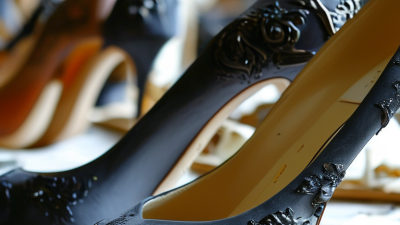
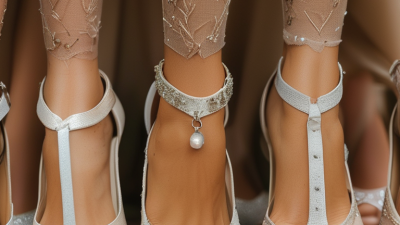
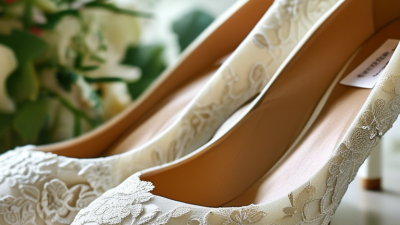
People often ask, “How do silent high heels actually work?” Well, it’s all about managing impact — not some sort of magic trick. Designers use a mix of flexible outsoles, cushioned insoles, and carefully shaped heel structures to keep noise down. These little details help soften the contact sound when you’re walking on surfaces like tile, wood, or polished concrete. Some models even have rubber tips or layers of materials under the heel for extra quietness. Honestly, tiny design tweaks can make a pretty big difference in how comfortable and quiet your walk feels.
If you’re shopping for these shoes, it’s smart to test them out on different indoor surfaces. A pair that’s super quiet on plush carpet might still click on stone or hardwood. It’s also a good idea to check stuff like heel impact, how stable they feel when you walk, comfort levels, and how they hold up over time. Don’t forget to peek at the material details, factory quality records, and any product standards relevant to your market.
Take Silent Work Shoes, for example—they might follow similar ideas, but often focus more on longer hours of standing and better daily protection. So, they overlap in some areas but aren’t exactly the same.
A trustworthy supplier should clarify what “silent” really means. Usually, it just means reduced noise, not total silence. That’s actually pretty important — think hotels, offices, hospitals, retail stores, or even homes — where total silence isn’t always realistic or necessary. If you’re serious, ask for samples before buying in bulk. Walk around in them on your usual floors, check the heel after some use, and compare how loud they are in quiet rooms. But keep in mind — even with testing, stuff like your weight, walking style, and floor condition can influence the results. That's why it’s important to be honest about what the shoe can actually do. The best designs aren’t always the most complex; they’re the ones that perform reliably and consistently day after day.
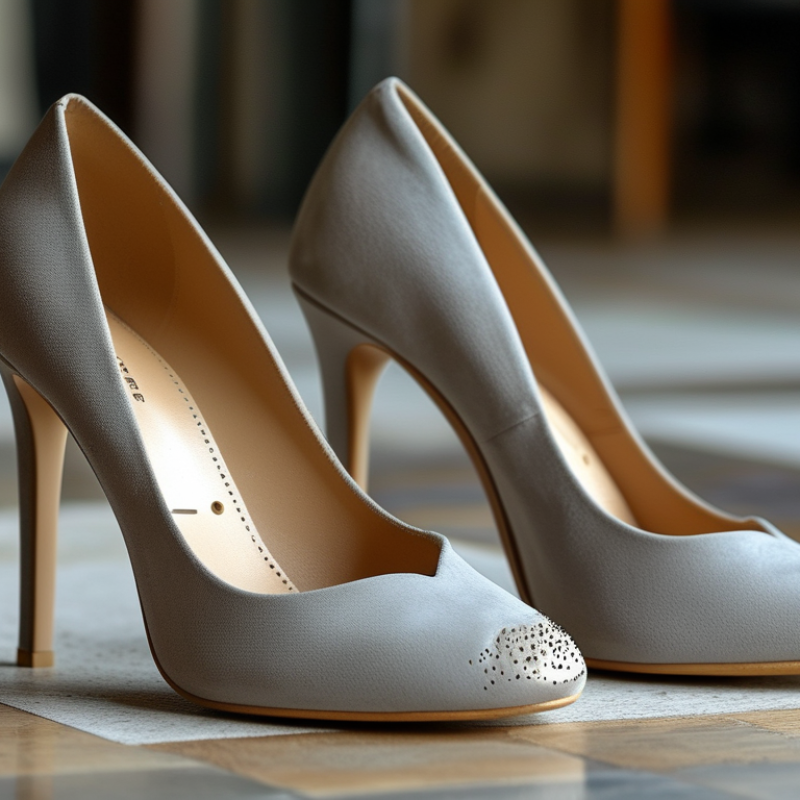
Definition and Core Features of Silent High Heels
How Do Silent High Heels Work for Global Buyers?
Definition and Core Features of Silent High Heels
Silent high heels are footwear designed to reduce the sharp impact sound created when a heel strikes hard flooring. They are not completely noiseless. The term is imperfect. Their main features include shock-absorbing heel caps, flexible outsoles, cushioned insoles, and tighter connections between the heel and sole. Softer materials spread impact over a longer moment, reducing the click heard on tile, stone, or office floors.
Material choice matters greatly. Rubber, thermoplastic polyurethane, and layered foam usually absorb vibration better than rigid plastic or exposed metal parts. A stable heel structure also prevents small movements that create extra noise. Fit still matters. A loose shoe can slap against the floor, even with a quiet heel tip. The World Footwear Yearbook 2024 reported approximately 22.4 billion pairs of footwear were produced globally in 2023, showing the importance of consistent, scalable comfort and performance standards.
For noise testing, buyers can request controlled comparisons using sound-level meters and repeatable walking surfaces. ISO 3744 offers a recognized framework for sound-power measurements, although it is not a specific silent-footwear standard. The World Health Organization’s Environmental Noise Guidelines for the European Region identify 45 dB Lnight as a recommended night-time exposure level for road traffic; this is not a heel requirement, but it illustrates why measurable noise claims need context. Real-world results may vary. Surface, walking speed, heel height, and user habits all change the sound.
Materials and Technologies That Reduce Walking Noise
Silent High Heels
reduce walking noise through layered contact control. The outsole is often made from rubber, TPU, or a soft thermoplastic blend. These materials absorb impact better than hard plastic. A thin EVA or PU layer can cushion the midsole. The heel tip matters too. It touches the floor first. In product evaluations, I listen for two sounds: impact and sliding. They need different solutions.
A flexible heel tip reduces the sharp click on tile and stone. Micro-textured surfaces can improve grip without adding much noise. Some designs use internal cavities or damping pads inside the heel. These parts interrupt vibration before it reaches the floor. Stitching and adhesive layers also affect sound. If the upper shifts, small movements create unwanted squeaks. Accurate molding, even pressure, and stable bonding are practical quality controls.
Global buyers should request tests on tile, wood, concrete, and carpet. Results can change with temperature, floor dust, and walking speed. A factory sample may sound quiet indoors but louder on cold stone. I have found that heel shape often matters as much as material choice. Narrow tips concentrate force. Wider tips spread it. The word silent is not always exact; quiet, controlled impact is more realistic. Suppliers should provide material specifications, durability data, and repeatable noise tests. Soft compounds may wear faster. Noise reduction needs balance, not one miracle layer.
Key Benefits for Different Types of Global Buyers
How Do Silent High Heels Work for Global Buyers?
Silent Fashionable High Heels usually combine a flexible outsole, cushioned insole, and softer heel tip. These parts reduce sharp tapping on tile, wood, and polished hotel floors. In product evaluations, buyers should listen for impact noise during walking, turning, and stair use. A quiet sole is not enough. Fit still matters.
Retailers may value lower complaint rates and stronger repeat purchases. Customers often notice comfort after several hours, not during a quick fitting. A stable heel, breathable lining, and secure strap can support longer wear. However, narrow toe shapes may still cause pressure. That detail deserves honest product testing.
Hospitality teams, office professionals, and event workers need quiet movement in shared spaces. For them, reduced noise can improve workplace comfort without changing a polished appearance. Distributors also need consistent sizing, clear material records, and reliable packaging for different markets. Small carton damage can become an expensive return. Travelers may prefer lighter pairs with flexible soles, especially when luggage space is limited. Yet softer materials can wear faster on rough pavement. Buyers should compare durability tests with real customer use, rather than trusting a single laboratory claim. Supplier communication matters too. Ask for sample checks, wear feedback, and updated specifications before placing larger orders.
How Do Silent High Heels Work for Global Buyers?
Silent high heels typically combine shock-absorbing insoles, flexible midsoles, and low-noise rubber or TPU heel tips to reduce impact sound. The chart compares the relative importance of key benefits across major global buyer types. Scores are normalized priority indices from 0 to 100, not market-share figures.
Higher scores indicate stronger purchasing relevance. Workplace and healthcare buyers tend to prioritize noise reduction and comfort, while hospitality, events, and travel-retail buyers place greater emphasis on durability and style flexibility.
Quality Standards, Testing Methods, and Product Certifications
Silent high heels are judged by more than appearance. Global buyers usually inspect materials, construction, noise control, and documentation together. For Silent Single Shoes, the upper should show even stitching, clean bonding, and stable color under rubbing. The heel must resist twisting and repeated impact. A loose heel is a serious quality warning.
Testing should imitate real use. Inspectors can measure sound on tile, wood, and concrete floors with calibrated microphones. A walking test should include slow steps, turns, stairs, and sudden stops. Outsole abrasion, flexing, heel attachment, slip resistance, and water exposure also deserve documented checks. Samples should come from different production batches, not only selected pairs. Small details matter.
Certifications depend on the destination market and product materials. An ISO 9001-certified factory may show controlled production, but it does not automatically certify shoe safety. Buyers should request current laboratory reports, material declarations, and traceable batch records. Chemical testing may address restricted substances under applicable regional rules. Electrical certification is usually irrelevant unless the footwear contains powered components. Independent laboratories add credibility when their methods and accreditation are clearly stated.
No test predicts every floor. Noise can change with dust, moisture, and walking style. I have seen acceptable samples sound louder after cold storage, which deserves further review. A reliable supplier should explain such variations instead of hiding them. Clear acceptance limits, retained samples, and repeat testing help buyers make defensible decisions.
Conclusion
How Do Silent High Heels Work? They combine sound-reducing materials, thoughtful construction, and precise engineering to minimize the noise created when the heel contacts the floor. Features may include cushioned insoles, flexible outsoles, shock-absorbing heel tips, stable heel structures, and layered materials that soften impact without compromising appearance, comfort, or durability. During design and manufacturing, product developers select suitable components, test prototypes, refine heel geometry, and control assembly accuracy to achieve consistent performance.
For global buyers, silent high heels can support office wear, hospitality, events, travel, and other environments where quiet movement is important. Buyers should evaluate suppliers through material documentation, production capacity, quality-control procedures, and communication reliability. Useful testing may include noise-level comparisons, walking-cycle evaluations, abrasion checks, load testing, and inspections for comfort and structural safety. Certifications and compliance documents should match the target market. Final costs depend on materials, construction, order quantity, packaging, testing, and customization options such as colors, heel shapes, sizes, logos, and private-label packaging.