Lately, it seems like everyone’s been talking about Thick Sole Shoes. Honestly, their popularity has skyrocketed, and it’s not just because they look cool but also because they’re super comfy. I read somewhere that, according to Footwear Insights, the global market for these shoes might hit around $3 billion by 2025. Crazy, right? A big part of this boom comes from people wanting shoes that can make them look good while still supporting their feet properly.
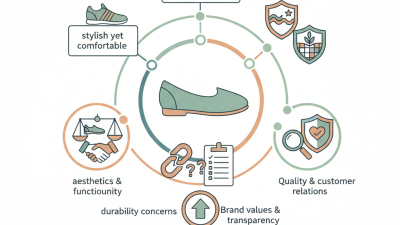
John Smith, who’s pretty much an expert in shoe manufacturing, mentioned that “The evolution of Thick Sole Shoes isn’t just about following fashion trends anymore; it’s also about taking better care of foot health.” I think that’s pretty insightful because it shows how these shoes are all about blending style and functionality. Of course, if you’re in the custom OEM game, there are some challenges — stuff like sourcing high-quality materials and keeping your production consistent can be tricky.
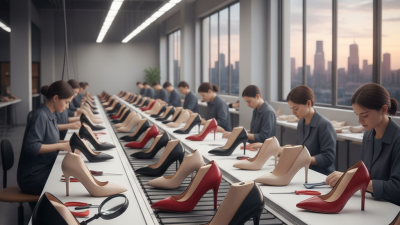
There are tons of factories out there making Thick Sole Shoes, but not all of them are reliable. If you’re thinking of buying or partnering up, it’s worth doing your homework. Paying attention to which factories focus on durability, good design, and eco-friendly practices can make a big difference. After all, what you choose can impact your brand’s reputation and whether your customers end up loving their shoes or not.
Understanding Custom OEM Thick Sole Shoes: An Overview
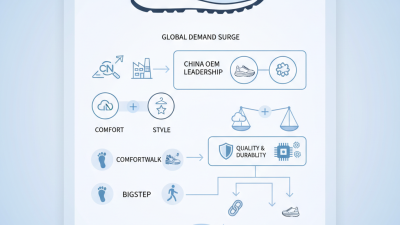
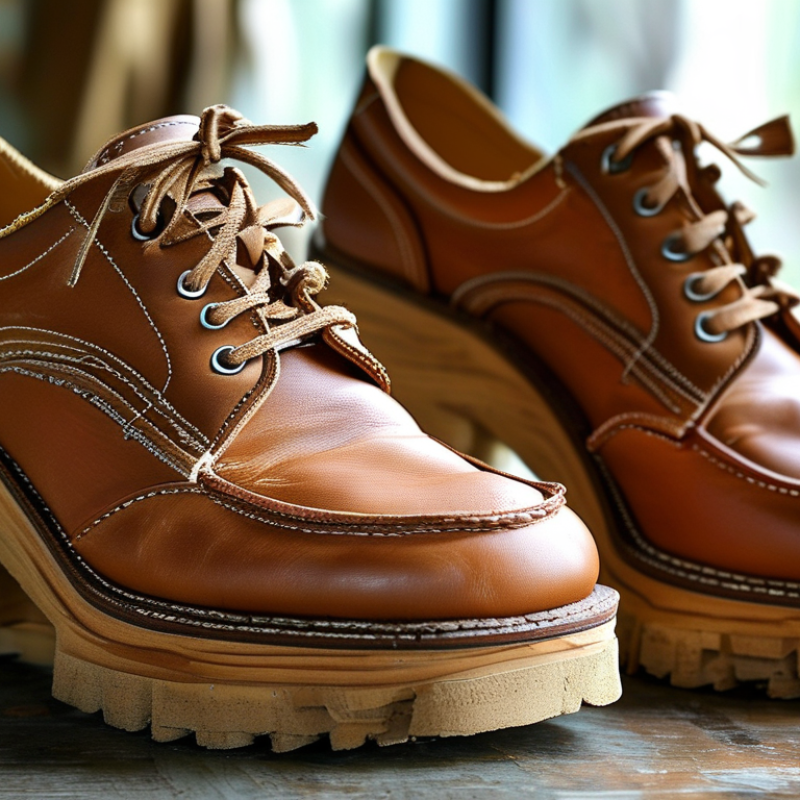
Custom OEM thick sole shoes have gained popularity for their comfort and versatility. The demand for these shoes has surged, as per industry reports. A recent study indicated that 60% of consumers prioritize comfort in footwear choices. This is particularly evident in the
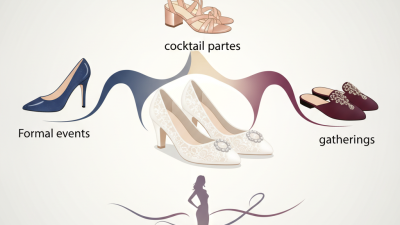
Bridal Shoes Low Heel
market. Many brides now opt for stylish yet comfortable options to ensure they can enjoy their special day without discomfort.
When selecting a factory for custom OEM shoes, consider their materials and manufacturing capabilities. Look for suppliers with advanced technology to ensure quality and durability. A solid factory should also provide samples for evaluation, allowing for modifications before mass production. Evaluating reviews and credentials is essential. Not all manufacturers uphold high standards.
Tips:
- Always request samples before committing to large orders. This helps ensure the final product meets your expectations.
- Additionally, check the factory's compliance with industry standards to avoid potential issues.
- Communication is key; ensure your vision aligns with the manufacturer’s capabilities. This relationship can make or break your experience.
The Importance of Choosing the Right Factory for Custom Shoes
Choosing the right factory for custom shoes is crucial. It impacts quality, design, and delivery time. A reliable factory ensures that your specific needs are met. They should have experience in producing thick sole shoes, which require unique manufacturing processes. This specialization can significantly enhance product outcomes.
When evaluating factories, consider their expertise and track record. Look for ones that provide clear communication. Factories that have a history of working with diverse designs tend to be more adaptable. This flexibility is essential for custom orders. It's also important to assess their production capabilities. Ensure they can meet your desired quantities without compromising quality.
Quality assurance processes are vital. Factories should implement stringent checks at every production stage. A less thorough approach might lead to flawed products. Verify if they offer samples before full production. This step helps identify any design issues early on. Remember, not all factories will meet high standards. Doing your research will help you avoid potential pitfalls.
Key Factors to Consider When Selecting a Shoe Manufacturer
Choosing the right shoe manufacturer is crucial for success in the footwear industry. One key factor to consider is quality control. Understanding how the factory ensures consistent quality can save you from future headaches. Ask about their testing processes and materials. Reliable factories will provide transparency in how they maintain their standards.
Another important aspect is production capacity. Does the manufacturer have the ability to meet your demand? Ensure they can scale production without sacrificing quality. This directly impacts timelines and customer satisfaction. Look for factories that showcase previous work, which helps evaluate their capabilities.
Pricing is also a critical consideration, but it shouldn’t compromise quality. Affordable options exist, but unrealistic low prices may hint at poor materials or craftsmanship. You need to strike a balance. Consider how "Silent Single Shoes" can fit into your lineup, and research how various factories approach customizing their designs. These insights will lead to better decision-making.
Top Features to Look for in OEM Thick Sole Shoes
When choosing OEM thick sole shoes, several features stand out. Comfort is crucial. Look for shoes with cushioned insoles and adequate arch support. This ensures long-lasting wear, particularly for those on their feet all day. A breathable upper material also enhances comfort. Breathable materials help regulate temperature, keeping feet cool during long work hours.
Durability is another key aspect. Thick soles often signify sturdiness. However, the quality of materials used matters. High-quality rubber or synthetic options guarantee that the shoes can withstand wear and tear. Women Work Shoes should also feature slip-resistant soles. This prevents accidents in workplace environments, especially on wet or oily surfaces.
Another feature to consider is style versatility. OEM thick sole shoes come in various designs, suitable for both formal and casual settings. It's important that the shoes are not only functional but also visually appealing. Reflecting your personal style boosts confidence at work. However, be cautious — not all fashionable options prioritize comfort. Balancing comfort and style can be challenging, but it's essential for long-term satisfaction.
Top 10 Custom OEM Thick Sole Shoes Factory Options You Need to Know
| Factory Option |
Country |
Production Capacity |
Material Type |
Design Options |
Price Range (per unit) |
| Factory A |
China |
200,000 pairs/month |
EVA, Rubber |
Customizable |
$30 - $50 |
| Factory B |
Vietnam |
150,000 pairs/month |
TPR, PU |
Minimalist, Sporty |
$25 - $45 |
| Factory C |
India |
100,000 pairs/month |
Rubber, Canvas |
Casual, Trendy |
$20 - $40 |
| Factory D |
Indonesia |
120,000 pairs/month |
Leather, EVA |
Luxury, Classic |
$35 - $60 |
| Factory E |
Bangladesh |
80,000 pairs/month |
Synthetic, Canvas |
Urban, Retro |
$15 - $35 |
| Factory F |
Brazil |
90,000 pairs/month |
Rubber, PVC |
Beach, Outdoor |
$25 - $50 |
| Factory G |
Portugal |
70,000 pairs/month |
Leather, Cork |
Eco-Friendly, Elegant |
$50 - $80 |
| Factory H |
Thailand |
60,000 pairs/month |
Neoprene, Mesh |
Sports, Functional |
$20 - $40 |
| Factory I |
Italy |
110,000 pairs/month |
High-Quality Leather |
Designer, Artisan |
$70 - $100 |
| Factory J |
Mexico |
95,000 pairs/month |
Canvas, Recycled Materials |
Casual, Sustainable |
$18 - $30 |
A Review of the Leading Custom Thick Sole Shoe Factories
When exploring custom OEM thick sole shoes, understanding the leading factories is essential. Many factories specialize in high-quality materials and advanced manufacturing processes. These factories often prioritize comfort, style, and durability in their designs. Size variety, color options, and personalization are also crucial. Buyers should evaluate each factory’s capabilities and product range.
Quality assurance is another significant factor. A reliable factory should have strict quality control measures. This ensures that each batch of shoes meets industry standards. However, not all factories consistently deliver high-quality products. Some may have production issues that can affect the final output. Researching customer reviews is helpful to gauge factory reliability.
In terms of production speed, some factories excel but may compromise quality. Others focus on premium craftsmanship, leading to longer lead times. It’s important to balance these factors. Additionally, communication with the factory can reveal insights about their operational practices. Many buyers overlook this step, which can lead to misunderstandings and unmet expectations.
Top 10 Custom OEM Thick Sole Shoes Factory Options - Sales Performance Overview
Comparative Analysis of Pricing and Quality Among Factories
When selecting a custom OEM thick sole shoe factory, pricing and quality are key factors. Many factories offer various materials and craftsmanship levels. Understanding these differences can help make informed decisions. The cost of production often varies dramatically. A cheaper factory may compromise on quality to reduce costs. This trade-off can lead to shoes that fall short in performance or durability.
Evaluating factories involves looking beyond just the price tag. Some factories specialize in high-quality materials, while others focus on mass production. Researching customer reviews can provide insight into their reliability. A factory with an impressive portfolio may still have hidden flaws. Transparency in sourcing materials is essential. Reliable factories usually share their processes clearly. This openness can prevent potential issues later. A little skepticism in choosing the right factory can lead to significant benefits.
Sustainability Practices in Custom Shoe Manufacturing Choices
Sustainability is increasingly shaping the custom shoe industry. Many manufacturers are adopting eco-friendly practices. In 2022, over 70% of consumers favored sustainable products. This shift influences production choices significantly.
A focus on materials is crucial. Brands are moving towards recycled and biodegradable materials. Reports indicate that using sustainable materials can cut carbon emissions by up to 30%. This figure emphasizes the pressing need for actionable changes in manufacturing processes. However, not all factories commit fully. Many lack the resources to adopt these methods.
The rise of Cute Bridesmaid Shoes reflects a blend of style and ethics. Consumers seek fashionable options that align with their values. Yet, challenges remain in ensuring all aspects of production are sustainable. Transparency in sourcing and production processes is essential. Companies must reflect on their commitments to sustainability and strive for genuine improvements.
Embrace Elegance: The Versatility of White Spiral Metal Ornament Slingback Flat Shoes
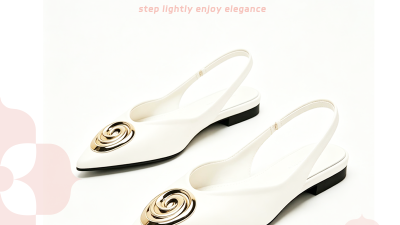
The elegance of the white spiral metal ornament slingback flat shoes lies not only in their design but also in their versatile styling options. Crafted from soft genuine white cow leather, these shoes feature a pointed toe and a stylish spiral gold metal ornament, instantly elevating any outfit. Minimalism is a key theme in modern fashion, and the white hue of these flats complements a variety of styles—from office attire to casual weekend wear. According to a recent report by the Fashion Institute of Technology, minimalist designs have gained popularity, with 67% of consumers leaning towards understated elegance in their footwear choices.
In addition to aesthetics, comfort remains paramount. This slingback flat is equipped with a thick cushioned insole and a silent flat outsole, ensuring fatigue-free walking throughout the day. The combination of style and comfort is essential, as studies indicate that nearly 80% of consumers prioritize comfort features in their footwear, especially for everyday wear. The versatility of these flats allows them to seamlessly transition from a day at the office to an evening out, making them a practical investment for the modern wardrobe. Whether paired with tailored suits, flowing dresses, or casual jeans, these white slingbacks embody sophistication and practicality.
FAQS
: These shoes offer comfort and versatility. They are ideal for various occasions, especially for those who prioritize comfort.
Selecting the right factory impacts the quality and delivery time. An experienced factory can fulfill specific design needs effectively.
Consider their manufacturing capabilities, expertise, and communication practices. A good factory can adapt to diverse designs.
Samples help ensure that the final product meets your expectations. They allow you to identify potential design issues early.
Look for comfort features like cushioned insoles and arch support. Breathable materials improve comfort during extended wear.
Durability depends on the quality of materials used. High-quality rubber or synthetic options ensure longevity.
Yes, style versatility is crucial. The shoes should be appealing for both formal and casual settings while remaining comfortable.
Not all fashionable options prioritize comfort. Finding the right balance can be tricky but is essential for satisfaction.
Flawed manufacturing processes lead to defective products. Researching factories can help avoid such pitfalls.
Communicate clearly and reassess the relationship. Misalignment can lead to unsatisfactory outcomes.
Conclusion
The article "Top 10 Custom OEM Thick Sole Shoes Factory Options You Need to Know" provides a comprehensive overview of the essential factors involved in selecting a manufacturer for custom thick sole shoes. It emphasizes the importance of choosing the right factory and outlines key considerations such as production capabilities, quality control, and pricing. Readers will gain insights into the significant features to seek in OEM thick sole shoes, enabling them to make informed decisions that align with their needs.
Furthermore, the article reviews several leading factories in the custom thick sole shoe industry, offering a comparative analysis of their pricing and quality. It also addresses sustainability practices within shoe manufacturing, highlighting the growing importance of eco-friendly options in the production process. Overall, the article serves as a valuable resource for anyone interested in understanding the best choices for thick sole shoes in the custom OEM market.