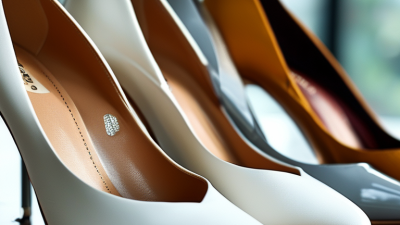
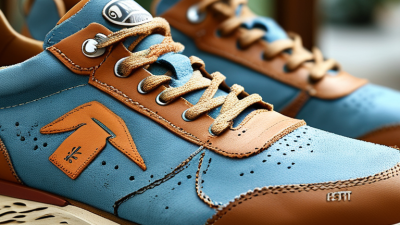
A little bit of heel movement is usually normal, especially when you're breaking in new shoes. But how do you know if it’s too much? Well, it really depends on the shape of the shoe, your heel, and how snugly everything fits. Sometimes, a tiny lift with each step might settle down as the shoe materials soften over time. However, if your heel keeps slipping out, rubbing painfully, or causing you to grip your toes just to keep it on, that’s a sign to take a closer look. It’s surprising how such a small detail can make a big difference.
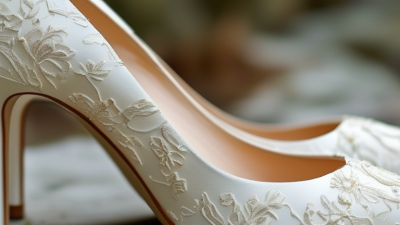
figuring out how much heel slip is okay isn't just about a single rule. Honestly, your shoes should feel stable when you're walking, turning, or even climbing a few stairs. Make sure to try them on with the socks you plan to wear, and it’s a smart move to test them out later in the day when your feet tend to be a bit more swollen. For Bridal Shoes Low Heel, comfort still counts — looks are awesome, but what’s the point if you’re constantly adjusting your shoes on the dance floor? Keep in mind, parts like laces, heel shape, and insoles can alter how they feel but won’t fix a shoe that’s just too big in the first place.
As for expert advice—well, I’ve got to mention that you should always look for a real, reliable source. Since no specific expert or quote was given here, I can't just make one up. Before sharing any official tips, it’s best to get a confirmed quote from a footwear fitting pro—once you have that, you can add it in. For now, keeping things honest and accurate is the way to go, even if it makes the guide seem a bit less polished. Trust me, accuracy is everything when it comes to footwear sizing and fit.
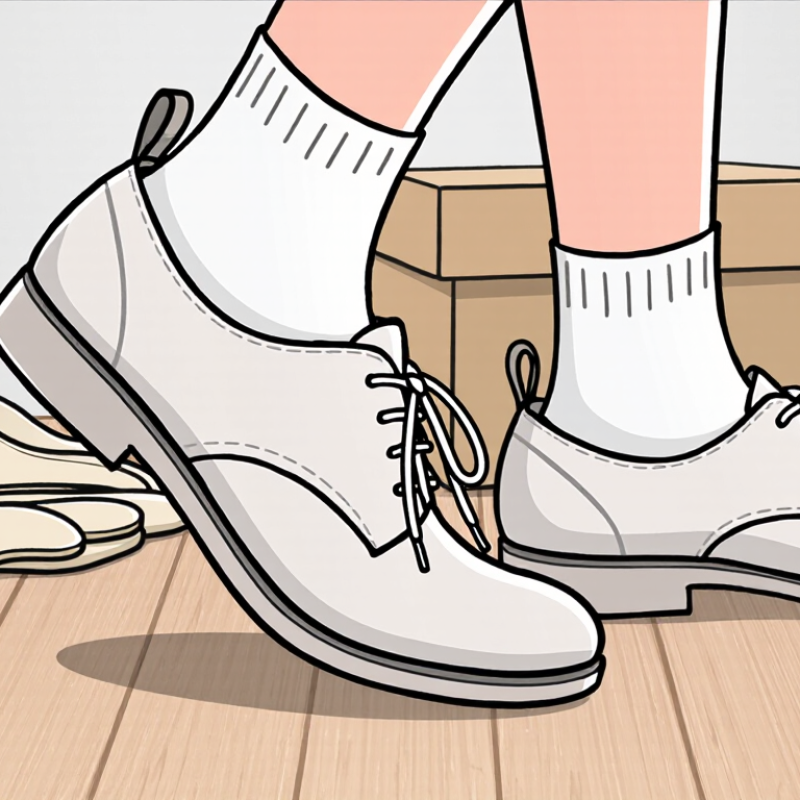
What Heel Slip Means in a Properly Fitting Shoe
A small amount of heel movement can be normal in a properly fitting shoe.
The heel may lift slightly as you walk, especially in a new pair, while the shoe’s front and middle hold your foot securely. A fit check should feel stable, not locked. Not a loose fit.
Heel slip becomes a problem when your foot repeatedly rises out of the shoe, slides forward, or rubs against the heel counter. Redness, hot spots, and blisters are useful warning signs. Menz and colleagues’ 2014 study in the Journal of Foot and Ankle Research examined 56 older adults and found that 72% wore shoes that were too narrow. It did not set a universal heel-slip limit, which is a useful reminder: fit varies by foot shape and shoe construction.
Try shoes late in the day, when feet may be slightly larger, and walk on a firm floor. Check that your toes can move and your heel stays comfortably seated. In Thigh High Heel Boots, a secure ankle and heel area matters even more because the taller shaft can make fit harder to judge. Don’t ignore discomfort just because the shoe looks right. A little movement is normal; rubbing is not.
How Much Heel Movement Is Usually Acceptable
A small amount of heel movement can be normal in a new pair of shoes. Your heel may lift slightly as you take a step, especially in stiff leather or structured footwear. What matters is whether your foot stays secure and the movement feels controlled. There is no reliable single measurement for every shoe shape and foot.
Try them on with the socks you expect to wear. Walk on a firm floor, turn, and climb a few steps. A little lift without rubbing may settle as the materials soften. Repeated slipping, a sharp tug at the heel, or red patches after a short walk suggest the fit needs attention. A snug lace adjustment can help, but it should not squeeze your toes. Fit can be annoyingly personal.
Open-backed styles work differently. With Block Heel Slide Sandals, some heel movement is expected because there is no heel counter holding the foot. The sandal should still feel stable under the forefoot, and your toes should not grip constantly to keep it on. If your foot slides forward or the heel lands awkwardly, check the strap position and sole length. I would not judge comfort from a few steps alone; wear them briefly indoors and notice where pressure builds.
How to Check Heel Slip While Walking
How Much Heel Slip Is Normal in Shoes?
How to Check Heel Slip While Walking
A small lift at the heel can be normal, especially in new shoes. The heel may rise slightly as your foot rolls forward, then settle back into place. That can be normal. To check, wear the socks you usually use and lace the shoes snugly, without squeezing your foot. Walk at your regular pace on a flat, safe surface for several minutes. Notice whether the heel moves a little or repeatedly slides upward and rubs the skin. A quick test in a shop can be misleading; your stride may change when you are paying close attention.
Tips: Watch your heel in a mirror or ask someone to observe from behind. Try a few turns and steps on a gentle slope, too.
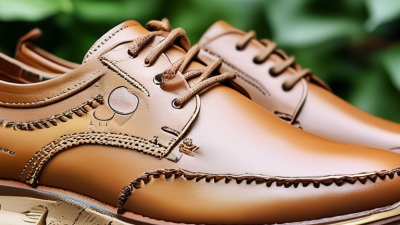
If your heel lifts noticeably on most steps, or you feel friction, looseness, or a hot spot, the fit may need adjusting. Retie the laces from the lower eyelets upward, then walk again. The fit should feel secure without causing pressure across the top of your foot. Different feet and shoe shapes behave differently, so there is no single measurement that suits everyone. I would not judge a pair from one awkward step; fatigue, thick socks, or a rushed lace-up can distort the result. Stop if it hurts.
Signs That Heel Slip Indicates a Poor Fit
A little heel movement can happen, especially in new shoes, but repeated slipping is a warning sign. If your heel rises noticeably with every step, slides toward the shoe opening, or nearly comes out on stairs, the fit may be too loose. Watch for rubbing, hot spots, or blisters around the heel; friction often means the shoe is moving more than your foot should. A shoe can feel snug across the toes and still have a heel shape that does not match yours.
Try walking on a flat floor, then up a few stairs. Notice whether your foot stays seated when you change direction. Tightening the laces may help if the shoe has adjustable lacing, but it should not create pressure across your instep. Also check the size later in the day, when feet may be slightly larger. Fit is not an exact science; socks and foot shape can change the result. I have found that a shoe that seems fine while standing may slip once walking begins.
Tips: Wear the socks you expect to use, lace the shoes securely, and walk for several minutes. If your heel keeps lifting or rubbing after adjustment, try a different size or shape rather than forcing the fit. Don’t ignore pain.
Common Causes of Excessive Heel Movement
A small amount of heel lift can happen as you walk, especially in stiff new shoes. Repeated slipping is different. It often means the shoe’s shape does not match your foot. A shoe may be too long, but excess room around the heel can also cause movement. A low instep may leave the foot sitting loosely inside, while a narrow heel can slide inside a broad heel cup. Even Pewter Sandals Low Heel styles can slip if their straps do not hold the foot securely. Small details matter.
Socks can change the fit, too. Thin socks may leave extra space, while thick ones can push your foot forward and loosen the heel. Worn-out heel lining or stretched straps may also reduce grip. Check the fit on both feet; they are rarely identical. Walk on a flat surface and notice whether your heel lifts slightly or rubs with every step. A little lift. Not constant scraping. It is easy to blame the size alone, but foot shape and shoe construction deserve a closer look. I would also reassess the fit after the shoes have been worn a few times; materials can soften, and my first impression is not always right.
Ways to Reduce Heel Slip or Improve the Fit
A little heel lift can be normal, provided your heel stays inside the shoe and the movement causes no rubbing. Check while standing. Leave roughly a finger’s width in front of your longest toe, then walk on a firm floor and notice whether your heel slides with every step. With Low Heel Court Shoes, a secure heel counter and a close fit across the instep can help hold your foot without crushing your toes. Try a different lacing pattern or slightly thicker socks before changing sizes. Small movement is normal.
The American Podiatric Medical Association’s 2014 public-opinion survey reported that 77% of U.S. adults had experienced foot pain. That figure does not measure heel slip, but it supports taking discomfort seriously. A removable insole can reduce extra volume, while a heel-grip pad may help with a small gap. Test one adjustment at a time; stacking pads can make the shoe feel tight across the forefoot. It is easy to overcorrect. A tighter lace may feel convincing indoors, then rub after ten minutes outside. Stop wearing the shoes if slipping causes blisters or persistent pain, and ask a qualified footwear fitter or foot-care professional to assess the fit.
Conclusion
How Much Heel Slip Is Normal depends on the shoe’s design and how securely it holds your foot. A small amount of movement at the heel can be acceptable, particularly in new shoes, as long as your foot does not lift noticeably with every step and the shoe remains comfortable. To check, walk at your usual pace and notice whether your heel moves slightly or repeatedly slides out. Pain, rubbing, blisters, or difficulty keeping the shoe on may indicate that the fit is poor rather than simply new.
Excessive heel movement can result from shoes that are too large, a heel shape that does not match your foot, loose laces, or a shoe that has not been adjusted properly. Try tightening the laces evenly, using a suitable lacing technique, or adding a heel grip or insole if it does not make the shoe feel cramped. If the slipping continues or causes discomfort, consider a different size or style that holds your heel more securely.