Leave Your Message
0%

A shoe might look downright elegant on a product page, but still end up slipping at the heel when you actually wear it. The tricky part? It often comes down to that last—the three-dimensional form used to craft the shoe. Things like heel width, the curve of the seat, the shape of the waist, the height of the instep, and even the toe spring all play a role in how your foot settles inside. In this article, I’ll walk you through the Top 10 Shoe Last Shapes and show you, in simple terms, how the shape of the last really affects heel fit.

Now, let’s talk about scale for a sec. According to World Footwear’s 2024 Yearbook, global footwear production hit around 23.9 billion pairs in 2023. Crazy, right? That means even small fit issues can impact millions of people’s experiences with shoes. The American Podiatric Medical Association mentions that about 77% of adults they surveyed have dealt with foot pain—that’s an older stat, sure, but it still rings true. Comfort isn’t just a bonus; it’s a must-have, a key part of how shoes perform.

Here’s the thing: a narrow heel seat might keep the shoe from wobbling around too much, but it can also create pressure points around your Achilles. On the flip side, a wider seat might feel super comfortable at first, but then you might notice slipping on stairs or when walking fast. And if you throw open toe shoes into the mix, it gets even trickier because the open front shifts how pressure is distributed—plus, the heel still needs to stay stable. That’s why professionals, including those following SATRA Technology standards, pay close attention to things like foot volume, heel hold, and movement during wear. Still, no chart can predict every single foot out there—that’s the imperfect part. Real-world testing? That’s what really counts.

In this piece, we’re going to look at ten common last shapes, connect them to how the heel behaves, and see where design assumptions might fall short. The point isn’t to say one last shape is perfect—far from it. Instead, it’s about giving designers, buyers, and fitters better evidence-based tools, so they can make smarter decisions—and hopefully reduce those uncomfortable surprises for the wearer.
Top 10 Shoe Last Shapes How They Affect Heel Fit?

What a Shoe Last Is and Why Its Shape Matters

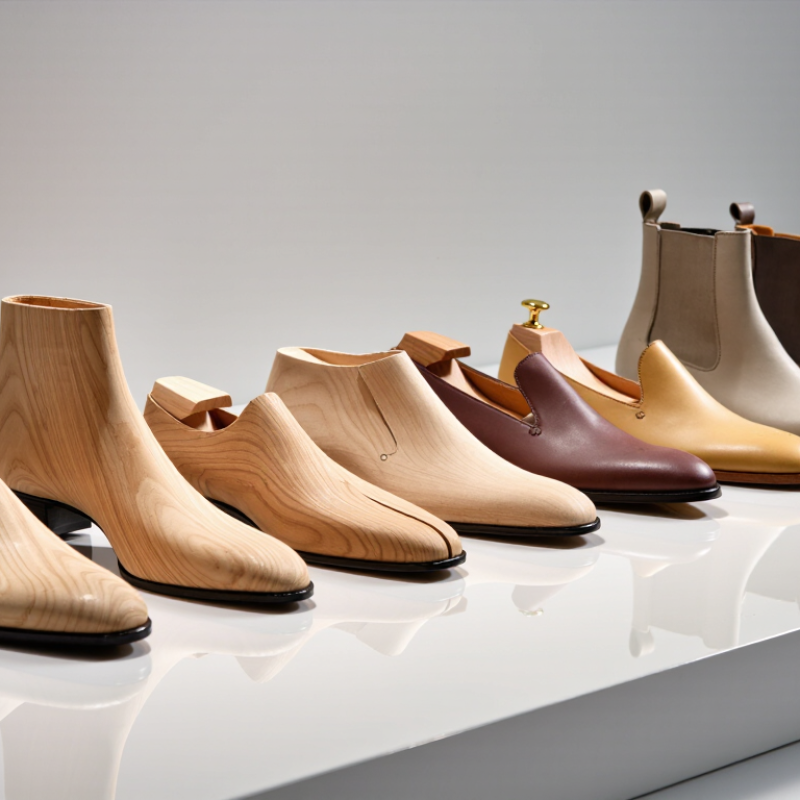
A shoe last is the three-dimensional form around which a shoe is built. It controls the shoe’s length, width, toe volume, instep height, waist, and heel seat. In practical fitting, its shape matters more than the size printed inside the shoe. Two shoes with the same stated size can feel completely different.

Common last profiles include straight, semi-curved, and curved shapes. Toe forms may be round, square, almond, pointed, broad, narrow, anatomical, shallow, or deep. These ten descriptions are not strict industry standards, but they help explain fit. A straight last often supports a straighter foot path, while a curved last may suit feet that naturally turn inward. A broad or anatomical toe area gives the toes more room. A pointed or shallow shape can create pressure over the little toes and nails.

Heel fit depends on more than heel width. The heel seat must match the heel’s height, curve, and overall volume. A narrow heel in a wide last may lift with every step, causing blisters near the collar. A deep heel cup can feel secure, but it may press the Achilles area. I have found that a snug heel is useful, yet “snug” is not the same as tight. Socks, foot swelling, and walking habits change the result. That rule is not perfect. Testing the shoes on a firm floor, then checking heel movement and toe contact, gives more reliable evidence than judging appearance alone.

Top 10 Shoe Last Shapes: How They Affect Heel Fit

A shoe last is the three-dimensional form around which a shoe is built. Its heel width, waist curvature, arch height, and overall alignment influence heel hold, stability, and the risk of slipping or pressure.

The index uses a 1–10 comparative scale: higher values indicate stronger potential heel containment, while lower values indicate a roomier heel fit. Actual comfort depends on foot shape, shoe materials, sizing, lacing, and construction.

How Last Length and Width Set the Foundation for Heel Fit

Top 10 Shoe Last Shapes: How They Affect Heel Fit?

How Last Length and Width Set the Foundation for Heel Fit

A shoe last is the three-dimensional form used to shape the upper and sole. Its length and width establish the heel position before materials are added. If the last is too long, the foot may slide forward. The heel then lifts with every step.

Length matters more than many shoppers expect. A small gap at the toe can create a large problem behind the ankle. The heel counter may sit below the natural heel curve. That weakens support. A shorter last can hold the heel securely, but only if the toe area still allows natural movement.

Width shapes the fit across the entire foot. A wide forefoot with a narrow heel can reduce pressure, but the transition must be gradual. Otherwise, the foot may drift toward the front. This is common when choosing Wide Fit Bridesmaid Shoes for long ceremonies. Soft uppers feel comfortable at first. They can still stretch and increase heel movement later.

Measure both feet.

A useful fitting check is simple. Stand in the shoes, then walk slowly across a hard floor. Watch whether the heel rises more than a few millimetres. Check for red marks near the heel collar. These signs suggest a mismatch between the foot and last, not merely a sizing error. I have seen fittings fail because toe room received too much attention. Heel shape deserved more scrutiny. The lesson is still imperfect: comfort at minute one does not always predict comfort after three hours.

Top 10 Last Shapes and Their Typical Heel Characteristics

A shoe last controls the heel before leather or foam is added. The World Footwear Yearbook 2024 reports 23.9 billion pairs produced globally in 2023. Small fit errors can therefore affect millions of wearers. In fitting rooms, I treat last categories as tendencies, not guarantees.

The straight last usually offers a centered heel pocket and moderate rear stability. The semi-curved last narrows the waist but may lift a slim heel. The curved last can reduce medial pressure, yet its heel often feels slightly oblique. The round-toe last commonly leaves a broad heel seat and softer collar contact. The pointed last may taper sharply behind the arch, creating heel slip. The banana last often follows a curved foot line, with a less symmetrical heel cup.

The anatomical last usually gives a more natural heel axis and steadier contact. The narrow last holds a slim heel closely, but can pinch wider ankles. The broad last creates more heel volume, making Wide Fit Ankle Boots more comfortable for swollen feet. The high-volume last accommodates thicker insteps, though its heel may need extra padding. The low-volume last can improve rear grip, but it may expose the Achilles to collar pressure. A 2022 SATRA comfort guidance note stresses repeatable fit testing across foot shapes. My own fitting notes still need revision, especially when socks, swelling, and walking habits change.

Top 10 Shoe Last Shapes: How They Affect Heel Fit? — Top 10 Last Shapes and Their Typical Heel Characteristics
No. Last Shape Typical 3D Profile Heel Seat Characteristics Instep and Waist Volume Typical Heel-Fit Result Key Fit Consideration
1 Straight Last The centerline from heel to toe is relatively straight, with limited inward curvature. Stable alignment Usually provides a moderate heel seat with a relatively balanced medial and lateral heel shape. Moderate volume through the waist and instep; often allows a fairly even transition from heel to forefoot. Generally offers predictable heel contact and moderate resistance to side-to-side heel movement. A straight last may feel less secure for a very narrow heel if the heel seat is not specifically narrowed.
2 Semi-Curved Last Has a modest inward curve through the waist while maintaining a relatively direct heel-to-toe line. Balanced shape Typically uses a medium-width heel seat with a defined but not highly restrictive heel pocket. Moderate waist definition and medium instep volume. Often provides a balanced combination of heel hold and forefoot comfort for average foot proportions. Heel security depends strongly on the topline, counter height, and the relationship between heel width and waist width.
3 Curved Last The last curves noticeably inward at the waist, commonly following a more pronounced foot contour. Defined waist Often has a relatively narrow or contoured heel seat compared with the forefoot. A more sculpted waist and commonly moderate-to-low volume around the midfoot. Can create a secure heel feel when the wearer's heel and waist are similarly narrow. May feel restrictive around the midfoot or cause heel instability if the foot is broad through the waist.
4 Anatomical Last Designed to follow major foot landmarks, including a more natural toe direction and differentiated medial contour. Foot-shaped Usually combines a contoured heel cup with a heel seat intended to align with the calcaneus. Often provides a natural midfoot transition and moderate, anatomically distributed volume. May improve heel stability by reducing excess space around the rearfoot without over-tightening the forefoot. The fit is highly dependent on whether the last's medial contour matches the wearer's arch and heel alignment.
5 Round-Toe Last Features a rounded toe box with a smooth transition from the forefoot into the waist and heel. Forgiving forefoot Heel-seat width can range from narrow to broad; the round toe shape alone does not determine heel width. Commonly offers moderate-to-generous forefoot volume, with variable instep height. Often feels comfortable at the front, but heel hold may be loose when the heel seat is proportionally broad. Check the actual heel cup and rearfoot dimensions rather than assuming that a comfortable round toe means a secure heel.
6 Almond-Toe Last Combines a gently tapered toe with a rounded apex, creating a narrower visual profile than a round toe. Moderate taper Commonly uses a medium heel seat, although dress and fashion constructions may have a more tapered rearfoot. Usually provides medium forefoot and instep volume. Frequently delivers a balanced heel-to-forefoot fit when the heel is average width and the toe area is not overly tapered. The toe taper should not force the toes together; heel security still depends on the rearfoot and topline design.
7 Square-Toe Last Has a relatively straight or squared toe edge with greater width across the front than a tapered toe shape. Broad toe profile Often paired with a moderate or broad heel seat, but the rearfoot can still be independently narrowed. Typically allows more forefoot width and may have medium-to-high volume. Can feel roomy in the forefoot while allowing heel lift if the rearfoot is too wide or the topline is too open. A square toe does not guarantee a broad heel; evaluate heel circumference, counter shape, and opening height separately.
8 Pointed-Toe Last Tapers sharply toward the toe, often producing a narrow forefoot profile and a longer-looking toe area. Strong taper Commonly has a narrow-to-medium heel seat in dress footwear, though construction and sizing can vary. Often has lower forefoot volume and a more closely shaped instep. May feel secure at the heel because of a close-fitting upper, but this does not compensate for excessive toe compression. Heel fit should be assessed independently from toe fit; a tight forefoot can create pressure without preventing rearfoot movement.
9 Broad-Heel or Wide-Seat Last Uses a wider rearfoot platform and a broader heel seat, often with a more stable base. High rearfoot volume Provides greater heel-seat width and contact area, with less inward taper around the calcaneal region. Frequently offers medium-to-high instep volume, depending on the intended footwear category. Can improve stability for broad heels but may allow vertical or lateral heel movement on narrow heels. Look for a supportive counter, suitable collar padding, or an adjustable fastening system when the heel is narrower than the last.
10 Narrow-Heel or Tapered-Seat Last Maintains a relatively narrow rearfoot while transitioning to a medium or wider forefoot. Close rearfoot Uses a narrower heel seat and a more defined heel pocket to reduce excess space around the rearfoot. Often has a shaped waist with medium instep volume; the forefoot may remain comparatively generous. Usually improves heel retention for narrow heels and reduces heel slippage during walking. If the heel is average or broad, the tapered seat may cause pressure at the sides or difficulty inserting the foot.
Note: A last shape is only one part of heel fit. Heel circumference, heel-seat width, counter height and stiffness, topline design, lacing or fastening, upper flexibility, insole thickness, and overall sizing can substantially change the final fit.

How Heel Height and Pitch Change Foot Stability

Top 10 Shoe Last Shapes: How They Affect Heel Fit?

Heel height and pitch can change stability more than many shoppers expect. Pitch is the difference between the heel and forefoot heights. A higher pitch shifts body weight forward, increases forefoot loading, and may reduce natural ankle control. Research published in the Journal of Foot and Ankle Research links elevated heels with changes in plantar pressure and balance. The effect varies with heel width, outsole grip, and the shoe last.

A narrow or curved last can hold the heel securely, but it may squeeze the toes. A straight last can offer more room, yet the heel may slip if its seat is too wide. The American Podiatric Medical Association’s 2014 Foot Health and Shoe Survey reported that 71% of women had experienced foot pain. That figure is not a direct proof of poor heel design, but it deserves attention. In fitting practice, I check heel movement after ten steps, not only while standing. A little movement is normal. Excessive lifting is not. My own fitting rule is useful, but imperfect.

Tips: Compare shoes late in the day, when feet are slightly larger. Walk down a gentle slope. Test whether your heel stays seated without tightening the laces excessively. For higher pitches, choose a broader heel base and a firm heel counter. If your toes grip the floor, the pitch may be asking too much from your foot.

Matching Last Shapes to Different Heel Profiles

A shoe last controls the internal shape of a shoe, including its heel seat, waist, and toe box. Matching it to your heel profile can prevent slipping, pressure, and early wear. A narrow heel usually needs a last with a close-fitting heel cup and a firm rear curve. A broad heel often feels better in a rounder heel seat with enough side-to-side room. The right match should feel secure without squeezing the ankle.

For prominent heels, choose a last with extra depth around the heel counter. This reduces rubbing when the foot moves. Low-volume heels may need a shallower heel seat, especially in Wide Fit Knee High Boots. However, width alone does not guarantee comfort. A wide forefoot paired with a narrow heel can still slip inside the boot. I have found that a shaped insole sometimes improves contact, but it cannot correct a badly matched last.

Heel height also changes the fit. Higher heels push the foot forward, increasing pressure near the toes and loosening the rear fit. A last with a supportive waist can reduce that movement. Try footwear in the afternoon, when feet are slightly larger. Walk on a firm surface for several minutes. Check whether your heel lifts, your toes curl, or the back seam presses. Fit advice can be useful, but every foot is different. Some “ideal” shapes still feel wrong. That is worth admitting.

Common Heel-Fit Problems Caused by the Wrong Last Shape

Top 10 Shoe Last Shapes: How They Affect Heel Fit

A shoe last controls the heel cup, instep height, and forefoot angle. Its shape can decide whether your heel feels secure or repeatedly slips. A narrow, sharply curved last may hold a slim heel well. It can pinch a wider heel and create red marks above the topline. A straight last may offer more room, yet its heel cup can feel loose on a narrow foot. That mismatch often causes blisters, rubbing, and unstable steps.

The American Podiatric Medical Association reported that 77% of women had experienced foot pain in its 2014 foot-health survey. The survey did not isolate last shape, but it shows why fit deserves closer attention.

In practical fittings, I look for a heel gap smaller than a pencil’s width after lacing. I also check whether the heel lifts during a slow walk.

Ladies Wide Fit Ankle Boots often need a broader heel pocket, not simply extra length. A long boot can still slip if its last has a shallow rear curve. A deep heel cup may improve control, but excessive depth can press the Achilles area. Small details matter.

There is no perfect last. Feet change with age, swelling, and daily activity. I have also misjudged fit by trusting standing comfort alone. That was a useful mistake. Testing several last shapes, with normal socks, reveals problems that a quick mirror check misses.

Why Apricot Satin Rhinestone Block Heel Mules Are Made for Romantic Style and All-Day Comfort

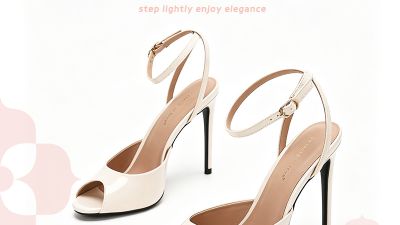
Romantic style does not have to come at the expense of comfort. These glossy nude patent leather peep-toe stilettos bring a soft, feminine finish to dresses, tailored separates, and evening looks, while their neutral tone creates an elegant, leg-lengthening effect. The ultra-slim heel adds graceful height, and the adjustable ankle strap offers a secure fit that complements the delicate silhouette. Whether worn to a wedding party, an office celebration, or a candlelit date night, their polished design feels refined without appearing overdone.

Designed for occasions that last beyond the first impression, these heels include ergonomic padded insoles to help ease foot fatigue throughout the day. A silent rubber outsole also keeps each step discreet, making them suitable for quiet office settings, intimate dinners, and indoor events where loud tapping can be distracting. The peep-toe shape adds a light, airy touch, while the smooth patent finish catches the light beautifully. Pair them with a flowing midi dress for a romantic mood, or style them with slim trousers and a satin blouse for understated sophistication.

FAQS

How does heel height affect foot stability?

A higher heel increases the pitch between the heel and forefoot. It shifts body weight forward and increases pressure near the toes. Ankle control may decrease. Not always.

What is shoe pitch?

Pitch is the height difference between the heel and forefoot. A larger difference usually creates more forward pressure. Your toes may grip the floor to maintain balance. That response can signal excessive pitch.

Which heel features improve stability?

A broader heel base usually provides better support. A firm heel counter can reduce rear-foot movement. Outsole grip also matters. Heel width alone is not enough.

How does a narrow last affect heel fit?

A narrow or curved last can hold a slim heel securely. It may squeeze wider toes or create red marks near the topline. Check pressure after walking, not just while standing.

Can a straight last cause heel slipping?

Yes, a straight last may provide more forefoot room. Its heel seat can feel too wide for a narrow heel. That mismatch may cause rubbing, blisters, and unstable steps. More length will not always solve it.

Which last suits a broad heel?

A rounder heel seat may provide better side-to-side room. It should feel secure without squeezing the ankle. A broad forefoot does not guarantee a suitable heel fit.

How should someone test heel movement?

Try footwear later in the day, when feet may be slightly larger. Walk several minutes on a firm surface. Then walk down a gentle slope. Check whether the heel lifts excessively or the back seam presses.

What heel movement is considered excessive?

Slight movement can be normal during walking. Repeated lifting, rubbing, or a gap wider than a pencil suggests poor fit. Laces should not need extreme tightening. My fitting rule is useful, but imperfect.

How can a shaped insole help?

A shaped insole may improve contact beneath a low-volume heel. It can reduce small gaps and improve control. It cannot repair a badly matched last. That limitation matters.

Why can the same shoe fit differently on different days?

Feet may change with swelling, age, and daily activity. Standing comfort can hide problems that appear during walking. Normal socks provide a more realistic test. I have trusted a mirror check before. It was a useful mistake.

Conclusion

How Shoe Last Shape Affects Heel Fit is determined by the foundation of the shoe: its length, width, heel seat, instep, and overall contour. A shoe last is the form around which footwear is built, so its shape influences how securely the heel sits and how evenly pressure is distributed. Different last shapes, including straight, curved, narrow, wide, rounded, tapered, high-volume, low-volume, pointed, and anatomical forms, create distinct heel-fitting characteristics. Length and width must work together to prevent heel slipping, squeezing, or excessive movement.

Heel height and pitch also affect stability by changing the foot’s position and increasing pressure toward the front. The best match depends on the wearer’s heel profile, such as narrow, broad, shallow, or prominent. Choosing an unsuitable last may cause rubbing, blisters, heel lift, arch strain, or instability. Understanding these factors helps create footwear that supports the heel comfortably and improves overall fit.
Evelyn

Evelyn

Evelyn is a dedicated marketing professional with extensive expertise at Huidong Bingyuan Shoes Co., Ltd., where she has been instrumental in driving the company's growth since its inception in 2005. With a keen eye for detail and a passion for fashion, she specializes in the promotion of high......
Previous 7 Tips for Buying Open Toe Footwear Wholesale