Leave Your Message
0%

Picking the right shoes for work isn't just about looking good—it's about feeling comfortable, confident, and being able to move easily during those busy, sometimes hectic days. You know, quiet high heels for the office can help you look polished without every step sounding like a mini drumroll. With softer soles and a more balanced design, they can cut down on those loud clicks you usually get on tile, wood, or hallway floors.

Honestly, sound really does matter more than folks realize. A loud heel can break the flow of a meeting, draw unwanted attention, or make shared workspace vibes a little tense. So, when shopping for office shoes, it’s all about striking that balance—looking professional but also respecting your coworkers' space. A sensible pair usually has a comfy heel height, cushioned insoles, tight straps, and materials that flex naturally with your foot. And you'll notice these details only after you’ve been on your feet for a while or walking around for a bit.

But hey, fit really is personal. For me, I prefer a moderate heel with a wider base—it just feels more stable when I'm near elevators or gliding across smooth floors. That said, quiet heels don’t automatically mean all-day comfort. Some still pinch or cause pressure around the toes, especially if your feet swell as the day goes on. That’s something worth thinking about. A good idea is to try them out indoors, walk at different speeds, and pay attention to any rubbing or discomfort before you wear them to an important meeting. And if you’re unsure, chatting with a shoe specialist can help you figure out if they provide enough support, fit well, and have a sole that’s built to last. The best choices come from actually testing and observing—not just falling in love with a pretty picture or style. The perfect office heel should look sharp, sound discreet, and let you move naturally from your first meeting to your last step home.
Why Choose Quiet High Heels for Office Wear?

Definition and Features of Quiet High Heels

Why Choose Quiet High Heels for Office Wear?

Quiet high heels are dress shoes designed to reduce impact noise while walking on office floors. Their defining features include cushioned insoles, flexible soles, and sound-dampening heel tips. These parts soften the sharp clicking often caused by hard heels meeting tile, wood, or stone. A stable heel base also helps distribute pressure more evenly. This can improve comfort during long meetings or short walks between departments.

The right pair should feel secure before it sounds quiet. A practical fitting check is simple. Walk across a hard floor. Listen for harsh clicks. Then try stairs and a quick turn. Excessive heel movement may create noise and increase ankle strain. Some designs use rubber or silicone caps, while others combine layered materials beneath the sole. Each solution performs differently on polished surfaces.

Quiet does not mean completely silent. Office noise, floor texture, and walking habits still matter. I have found that softer steps often depend on posture as much as construction. That detail is easy to overlook. A narrow heel may look refined but feel unstable after several hours. A moderate heel, padded footbed, and firm fastening usually offer a more reliable balance. Buyers should also inspect the heel cap regularly, because wear can gradually bring the clicking sound back.

Why Choose Quiet High Heels for Office Wear?

Quiet high heels are designed to reduce heel-strike noise through cushioned insoles, flexible soles, and shock-absorbing heel tips.

The chart compares common indoor sound environments using approximate A-weighted decibel ranges. Quiet office footwear should help keep walking noise closer to a library or quiet-office environment than to louder indoor activity. Lower sound levels generally support concentration, comfort, and discreet professional movement.

Reference: Approximate everyday sound-level ranges commonly used in occupational and environmental acoustics; actual footwear noise varies with flooring, heel material, walking speed, and construction.

Why Noise Control Matters in Office Environments

Why Choose Quiet High Heels for Office Wear?

Noise control matters in office environments. A sharp heel strike can travel across stone floors, corridors, and shared workspaces. It may interrupt a presentation or break someone’s concentration. Kim and de Dear’s 2013 study in the Journal of Environmental Psychology examined more than 10,000 office workers. It identified noise and speech privacy as major sources of dissatisfaction in open-plan offices. Quiet Ladies Office Shoes support a calmer atmosphere without sacrificing a polished appearance.

The data does not mean every heel is harmful. NIOSH’s Criteria for a Recommended Standard: Occupational Noise Exposure recommends limiting workplace exposure to 85 dBA over eight hours. Heel clicks usually fall below that hearing-risk threshold, but repeated impact can still feel intrusive. That difference matters. A quiet shoe protects attention, not only hearing. Softened heel caps, cushioned insoles, and stable soles can reduce harsh contact with hard flooring. I have found that small design details matter, although no shoe solves every acoustic problem.

Tips: Test the shoes on tile before wearing them to work. Walk slowly near meeting rooms. Replace worn heel tips early. Avoid dragging your feet. A carpeted entrance can also reduce sudden impact noise. Sometimes, comfort improves quietly.

Benefits for Professional Appearance and Workplace Comfort

Quiet high heels can support a professional appearance without turning every hallway into a stage. A controlled heel sound feels more discreet during meetings, client visits, and presentations. The American Podiatric Medical Association reported in its 2014 survey that 77% of American adults had experienced foot pain. That figure makes comfort more than a personal preference. It becomes part of practical workplace preparation.

A well-designed office heel should provide a stable base, moderate height, and enough room for the toes. Soft lining can reduce friction during long periods of standing. The World Health Organization states that musculoskeletal conditions affect about 1.71 billion people worldwide, showing why daily movement deserves attention. Quiet soles may also reduce unnecessary noise across hard floors. Small details matter. A calmer step can help maintain composed body language. It may also make movement less distracting for nearby colleagues.

Still, quiet heels are not automatically comfortable. I would avoid claiming that soundless soles prevent pain. Poor fit, excessive height, and limited breaks can remain serious problems. Workplace comfort also depends on posture, walking distance, and floor conditions. The APMA survey reflects reported discomfort, not every office environment. Employees should test shoes late in the day, when feet are often slightly swollen. A short corridor trial may reveal slipping, heel pressure, or awkward balance before a full workday exposes the weakness.

How Quiet High Heels Support Confident Movement

Quiet high heels can change how movement feels in a busy office. A softer heel tip reduces the sharp tap on tile, while a stable sole helps control each step. NIOSH identifies 85 dBA over an eight-hour workday as a recommended occupational noise exposure limit. Heel clicks rarely reach that level alone, but repeated impact can still distract nearby colleagues. The sound matters socially, not only acoustically.

Office Noise-Canceling Shoes should not be understood as electronic noise blockers. They are better viewed as footwear designed to reduce impact noise. A balanced heel, cushioned forefoot, and firm heel counter can support steadier walking. Biomechanics research consistently links higher heels with altered ankle position and greater pressure beneath the forefoot. Lower, wider heels may therefore help users move with less compensation.

I have noticed a practical difference. Quiet steps make corridor turns feel less performative. That can support calmer posture and more confident movement during meetings. Not silent. Just softer. However, comfort depends on foot shape, walking speed, and floor material. The same shoe may sound quiet on carpet but click sharply on stone. The WHO Environmental Noise Guidelines also emphasize that repeated environmental noise can affect concentration and well-being, although they do not specifically evaluate office heels. That limitation deserves attention. Reduced sound is useful, but fit and stability should remain the real priorities.

Materials and Design Elements That Reduce Footstep Noise

Quiet Office Shoes depend more on material choices than on heel height alone. A dense rubber or thermoplastic outsole absorbs impact better than a rigid leather sole. A thin foam layer under the insole can soften the sharp tap created when the heel meets tile. Rounded heel tips also spread contact slightly, reducing the hard, isolated clicking heard across corridors.

The U.S. Environmental Protection Agency’s 1974 noise report identifies 70 dBA over 24 hours as a long-term public-health benchmark, although it was not designed for office comfort. Office sound can feel distracting far below that level. The General Services Administration’s workplace acoustics guidance commonly targets background noise near 40–45 dBA in quiet work areas. That gap explains why a small heel strike can feel disruptive, even without creating a hearing risk. Soft rubber helps.

Material testing should include real floors, not only laboratory panels. Walk across ceramic tile, sealed concrete, and carpet while carrying a laptop bag. Notice the difference. A stable heel counter, flexible forefoot, and shock-absorbing midsole can reduce vibration through the foot and floor. Office Shoes with fabric uppers may also feel quieter because they reduce the stiff resonance of hard-coated materials. Yet “silent” is an imperfect promise. Loose heel caps, worn tread, and hurried steps can undo careful design. A quieter shoe still needs a controlled landing.

Choosing the Right Quiet High Heels for Daily Office Wear

Choosing the Right Quiet High Heels for Daily Office Wear starts with fit, not appearance.

According to the American Podiatric Medical Association’s 2014 Women and Foot Health survey, 71% of women reported experiencing foot pain, while 42% continued wearing uncomfortable shoes.

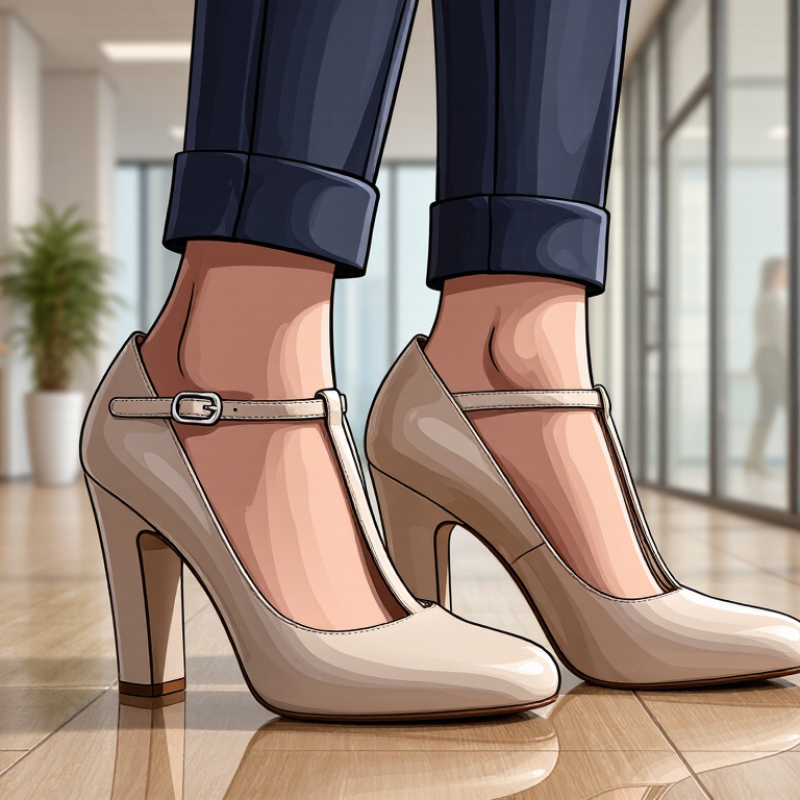
That finding matters during long office days. A quiet heel should have a cushioned outsole, stable heel contact, and enough room for natural toe movement.

Walk across a hard floor before buying. The heel should land softly, without a sharp clicking sound.

Look for Shock-Absorbing High Heels with layered cushioning and a firm, supportive insole.

A moderate heel, usually around 3–5 centimetres, can reduce instability during commuting and meetings. However, cushioning alone cannot correct a poor fit.

Your toes should not press against the front. Your heel should stay secure when climbing stairs.
Choose matte or textured soles for quieter steps, but check their grip carefully.

I once underestimated toe pressure because the shoes felt comfortable for five minutes. That was a poor test.

Try them for at least ten minutes, preferably late in the day, when feet are slightly swollen. Office floors vary, and soft carpet can hide an irritating fit.

Comfort is not a perfect science. It requires honest observation, not just attractive packaging.

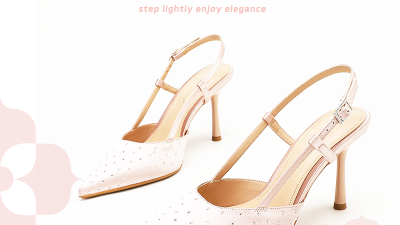
Grand View Research Insights: Blush Satin Rhinestone Pointed Toe Slingback Heels in the Evolving Footwear Market

The evolving footwear market is placing greater emphasis on designs that combine visual impact, comfort, and versatile wearability. Within this movement, blush satin rhinestone pointed-toe slingback heels reflect the growing preference for occasion footwear that feels refined without appearing overly traditional. Their soft blush tone adds a romantic touch, while the pointed toe creates a sleek, elongated silhouette suited to contemporary styling. As shoppers increasingly seek shoes that transition across weddings, proms, anniversary dates, and cocktail events, this design responds to demand for elegance with practical details.

Crafted from silky blush pink satin, the upper is fully scattered with tiny, shimmering rhinestones that create a glamorous glow under indoor lighting and evening settings. The adjustable silver buckle rear strap helps maintain a secure fit, allowing wearers to move comfortably through ceremonies, receptions, and social gatherings. Silent rubber heel caps reduce the sound of footsteps on hard floors, offering a discreet advantage for formal venues, while the softly padded insole supports extended wear.

The refined color pairs naturally with bridal gowns, pastel dresses, champagne-toned ensembles, and richly colored eveningwear. Its slingback construction provides a lighter, more open feel than fully enclosed pumps, matching the market’s interest in polished shoes with adaptable comfort. From aisle-side photographs to dance-floor entrances, the rhinestone finish brings an expressive accent without overwhelming an outfit.

FAQS

How can quiet office heels support a professional appearance?

They soften footsteps during meetings, presentations, and client visits. A calmer step can make movement feel less distracting. Appearance still depends on posture.

Are quiet heels automatically comfortable for all-day work?

No. Poor fit, high heels, and limited breaks may still cause pain. “Silent” does not mean comfortable.

Which materials can reduce footstep noise?

Dense rubber or thermoplastic outsoles absorb impact effectively. Foam beneath the insole can soften heel strikes on tile. Soft materials help.

Do quiet heels work equally well on every office floor?

Not always. Ceramic tile, sealed concrete, and carpet create different sounds. Test shoes across several surfaces before wearing them all day.

What design details may improve both stability and comfort?

Look for a stable heel counter, flexible forefoot, moderate height, and enough toe room. Soft lining may reduce rubbing during long standing periods.

How should someone test office heels before a full workday?

Try them late in the day, when feet may be slightly swollen. Walk a short corridor while carrying a laptop bag. Check slipping, pressure, and balance.

Can quiet soles prevent workplace foot pain?

No. They may reduce noise and some impact, but they cannot prevent every pain problem. Walking distance, posture, and floor conditions also matter.

Why can a small heel tap feel distracting in a quiet office?

Quiet work areas often have low background noise, so sharp clicks stand out. A rounded heel tip can spread contact and reduce that isolated sound. The effect varies.

Conclusion

Quiet High Heels For Office are designed to combine polished style with quieter, more comfortable movement throughout the workday. Their noise-reducing construction helps minimize the sharp sounds often created by hard soles on office floors, making them especially suitable for shared workspaces, meeting rooms, and professional environments where consideration and concentration matter. By reducing unnecessary footstep noise, these shoes support a calm atmosphere while helping the wearer maintain a neat and confident appearance.

The best options typically use cushioned insoles, flexible materials, rubber or soft composite outsoles, and carefully shaped heels to absorb impact and improve stability. These design elements can make walking, standing, and moving between tasks more comfortable, while also supporting confident body language. When choosing a pair for daily office wear, consider heel height, fit, arch support, sole flexibility, durability, and how well the design matches your professional wardrobe. A balanced pair should provide elegance, comfort, stability, and discreet performance from morning to evening.
Alexandra

Alexandra

Alexandra is a seasoned marketing professional with a deep passion for the footwear industry, particularly in high heels and fashion footwear. With a background that intertwines creativity and analytical skills, she has been instrumental in driving the brand's narrative since its inception in 2005.......
Previous Top 10 Shoe Last Shapes How They Affect Heel Fit?